
Stone by Stone: Animals That Collect, Build, or Hoard Rocks
Some use them for love, some for war, and some just for fun.

When Stones Matter in the Wild
When we think of rocks, we don’t often think of animals. But for some creatures, stones are more than just background scenery — they’re tools, treasures, weapons, and even love letters. From birds that decorate with pebbles to sea creatures that use stones as shields, these animals prove that rocks have a surprising place in the animal kingdom.
Let’s dive into the world of animals that collect, build, and hoard stones — and discover why they do it.
Bowerbirds: Pebbles for Love
The male bowerbird is one of nature’s most obsessive interior designers. Found in Australia and New Guinea, these birds build intricate courtship structures called bowers — not nests, but displays — to attract females.
What makes the bower special? The decorations. Male bowerbirds collect all kinds of objects, including brightly colored stones, shells, and bones. Some species prefer blue items, while others go for white or shiny. They carefully arrange these stones in patterns, even creating forced perspective illusions to make the space look bigger.
The better the stone collection, the higher the chance of attracting a mate.
Gentoo Penguins: Stones for Nesting — and Stealing
For gentoo penguins, love begins with a rock. Literally. Males often present a smooth pebble to a potential mate — and if she accepts it, they may begin building a nest together. These nests are made of piles of stones, raised above the wet ground to keep eggs dry.
But in crowded colonies, rocks are a valuable currency — and theft is common. Penguins have been observed sneaking stones from neighbors’ nests when they’re not looking. Some even build elaborate decoy nests to distract others while they raid.
Octopuses: Architects of the Seafloor
Some species of octopus, like the veined octopus, collect coconut shells, shells, and rocks to build shelters. They use stones to:
- Cover the entrance to their hiding spots
- Reinforce the walls of their lairs
- Camouflage themselves from predators
This kind of behavior — manipulating the environment with selected materials — is considered advanced intelligence in animals.
Caddisfly Larvae: Stone-Built Armor
Caddisfly larvae, found in freshwater streams, collect tiny stones, sand grains, and shell fragments to build protective cases around their bodies. They glue the pieces together using silk secreted from their mouths.
Each larva builds its own armor, tailored to the materials in its environment. The cases protect them from predators and strong currents — a tiny fortress in the water.
Wrasse and Triggerfish: Stone Movers of the Reef
Some reef fish, like the tuskfish (a type of wrasse), use stones to crack open shellfish — slamming clams against a personal “anvil.” Triggerfish are known to flip stones to uncover prey hiding beneath.
These actions reflect true tool use, once thought exclusive to primates.
Stone-Curlews: Rock-Mimicking Eggs
Stone-curlews, or thick-knees, lay eggs that perfectly mimic surrounding pebbles. They don’t collect rocks, but they choose nesting spots filled with stones so their eggs stay camouflaged from predators. For these birds, the rocks are passive bodyguards.
Jerboas and Hamsters: Pebble Hoarders
Desert rodents like jerboas and hamsters have been observed hoarding small pebbles near their burrow entrances. Scientists believe these stones may help regulate temperature, prevent flooding, or serve as camouflage.
Why Rocks? The Hidden Power of Pebbles
Animals use rocks for many reasons:
- Defense – Blocking dens or creating armor
- Attraction – Impressing mates with displays
- Construction – Building homes and nests
- Tool Use – Breaking open prey
- Camouflage – Blending into stony environments
These behaviors reveal intelligence, instinct, and creativity.
Conclusion – Stones That Speak Volumes
From love-struck penguins to secretive sea creatures, the animal kingdom is full of rock lovers — not in music, but in survival. Each pebble tells a story: of protection, of romance, of strategy. The next time you see a stone, imagine how it might look through the eyes of a bird or a crab — as something precious, useful, or even beautiful.
About the Creator
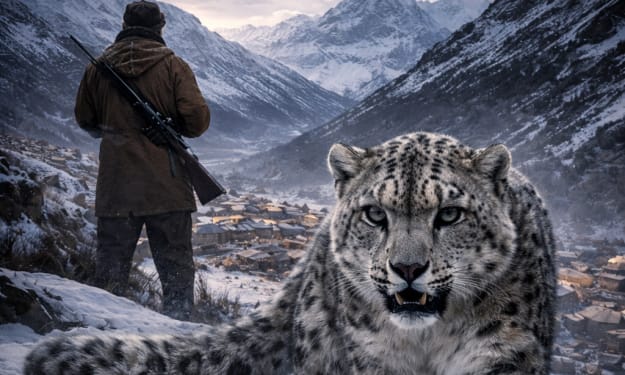
Human Revenge: A Hidden Cause Behind the Decline of Snow Leopards
High in the rugged mountains of Central and South Asia lives one of the world’s most mysterious and beautiful big cats—the snow leopard. Known for its thick grey-white fur, long tail, and incredible ability to blend into rocky landscapes, this elusive predator has fascinated scientists and wildlife lovers for decades. Yet despite its beauty and ecological importance, the snow leopard faces a growing threat: human revenge.
By Irshad Abbasi 5 days ago in Earth



Comments
There are no comments for this story
Be the first to respond and start the conversation.