
SPRING ALLERGY GUIDE: TRACK POLLEN & BREATHE EASY
Smart Tips to Track Pollen and Manage Spring Allergies


Where Are Pollen Levels the Most Severe This Year?
Each year, certain areas tend to experience more intense allergy seasons due to a combination of high pollen counts, common medication usage for relief, and limited access to allergy care. In 2025, regions located in the central and southern parts of the US are experiencing particularly high pollen levels.
The most challenging allergy seasons are centred in the Midwest and South. These regions are dealing with a mix of high tree, grass, and weed pollen, making outdoor time quite a challenge for sensitive individuals.
What Types of Pollen Trigger Allergies the Most?
Spring allergies commonly begin with tree pollen as the predominant cause. Once trees conclude their pollen season , grasses take over from late spring to early summer. Finally, weeds like ragweed dominate the air in late summer and early fall. Oak, cedar, birch, maple, elm, and walnut are some of the most common tree pollens that cause seasonal sneezing and itchy eyes.
Pollens from plants like Bermuda grass, ryegrass, Johnson grass, and Kentucky bluegrass also pack a severe punch. These lightweight particles are easily airborne, making them hard to avoid when you're outside.
How Can You Track Pollen Levels in Real Time?
One of the best ways to manage your allergies is to monitor pollen counts in your area. Several national networks operate pollen monitoring stations that record daily data. Many weather apps and websites now feature daily pollen forecasts, allowing you to plan your outdoor activities accordingly.
By using a pollen tracker, you can avoid the worst days and times, as pollen counts typically peak in the morning and on warm, windy days. Scheduling your runs or gardening in the late afternoon or after rainfall can significantly reduce your exposure.
Tips to Limit Your Pollen Exposure
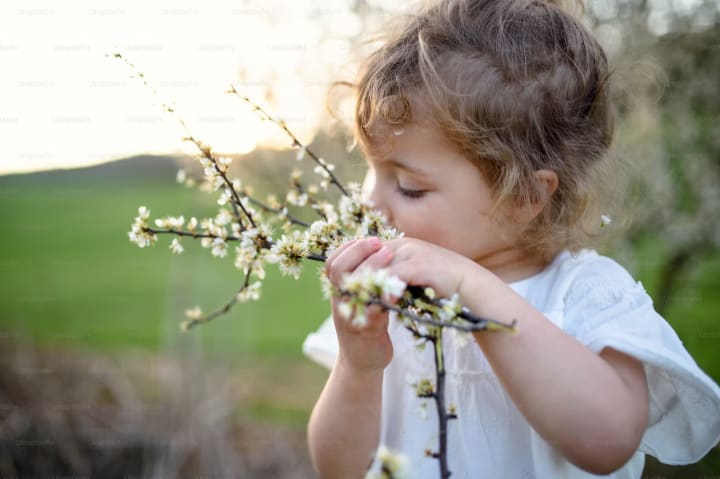
Avoiding pollen may seem impossible, but there are several practical ways to protect yourself:
Keep your windows shut: even if the weather feels perfect, resist the urge to let that fresh spring breeze in. That air contains much more than just a pleasant scent – it's full of pollen.
Dress wisely: Wearing long sleeves and pants creates a barrier between your skin and airborne particles. Light, breathable fabrics can help you stay cool and protected .
Change clothes and shower: When you come back inside , take off your outdoor garments right away and hop into the bath. Washing your hair can make a big difference, as pollen likes to cling to strands and sneak onto your pillow at night.
Use a hat or scarf: If washing your hair every day is not your thing, cover it up while you're outside.
Saline rinses: Flushing your nose and eyes with saline solution can help remove irritants and ease symptoms.
Don a mask: Masks aren't only for viruses – they can also act as a barrier between your nostrils and allergen-filled air. While they won't help with eye irritation, they could significantly lessen nasal irritation.
Relieving Allergy Symptoms Effectively
When avoidance isn't sufficient, over-the-counter remedies can be game changers. Nasal sprays are some of the most effective tools in the allergy-fighting arsenal. However, many people misuse them, often leading to discomfort or reduced effectiveness. The secret is proper technique: angle the nozzle slightly outward, closer to your ear, instead of spraying straight up.
Oral antihistamines are also helpful. Brands containing loratadine, cetirizine, and fexofenadine can offer relief, although they might take a bit longer to kick in compared to nasal sprays.
If you're dealing with persistent symptoms that affect your daily life – think sleepless nights or brain fog at work – it may be time to consult a specialist. Long-term treatments like immunotherapy can help build resistance to allergens over time .
And as tempting as it is to try modern remedies circulating online, like eating local honey, science does not support most of them. The pollen in honey typically comes from plants that don't cause allergies, so it's not an effective desensitisation strategy.
Is Allergy Season Getting Worse?
In short , yes. As global temperatures rise and winters become milder, vegetation has more time and ideal conditions to produce pollen. The result? Longer allergy seasons and higher pollen concentrations in the air.
In some regions, pollen counts have reached record-breaking highs. For instance, recent measurements have shown pollen counts soaring into the tens of thousands per cubic metre, a level considered extremely dangerous for those with allergies. So, it's not just your imagination – spring allergies are starting earlier and lasting longer.
About the Creator
Mirza Afzal Baig
I'm Mirza Afzal Baig, and I'm here to sprinkle a bit of magic on your reading experience. As an avid explorer of words, I've embarked on a journey to share stories, insights, and perspectives that will captivate your imagination.
Keep reading
More stories from Mirza Afzal Baig and writers in Earth and other communities.
THE MOST EFFECTIVE METHOD TO SAVE TIME GARDENING IN THE SUMMER
March is a wonderful time of massed flowers, scrumptious vegetables, and aromatic herbs up in temperatures that encourage everyone to get outside and enjoy all that nature has to offer before summer begins with heat, dust, and sociated miseries is in stone.
By Mirza Afzal Baig2 years ago in Earth
Venus and Jupiter Shine Together: A Stunning Planetary Display in Earth’s Sky
For skywatchers across the world, there are few sights more captivating than seeing bright planets glowing in the night sky. Among these celestial wonders, the close appearance of Venus and Jupiter from Earth is one of the most spectacular. When these two brilliant planets appear close together in the sky, they create a stunning astronomical event that fascinates both professional astronomers and casual stargazers alike.
By Irshad Abbasi 3 days ago in Earth




Comments
There are no comments for this story
Be the first to respond and start the conversation.