
Spooky Traditions: Comparing Halloween Celebrations in the U.S. and the U.K.
Candy, Costumes, and Customs: The American Halloween Experience

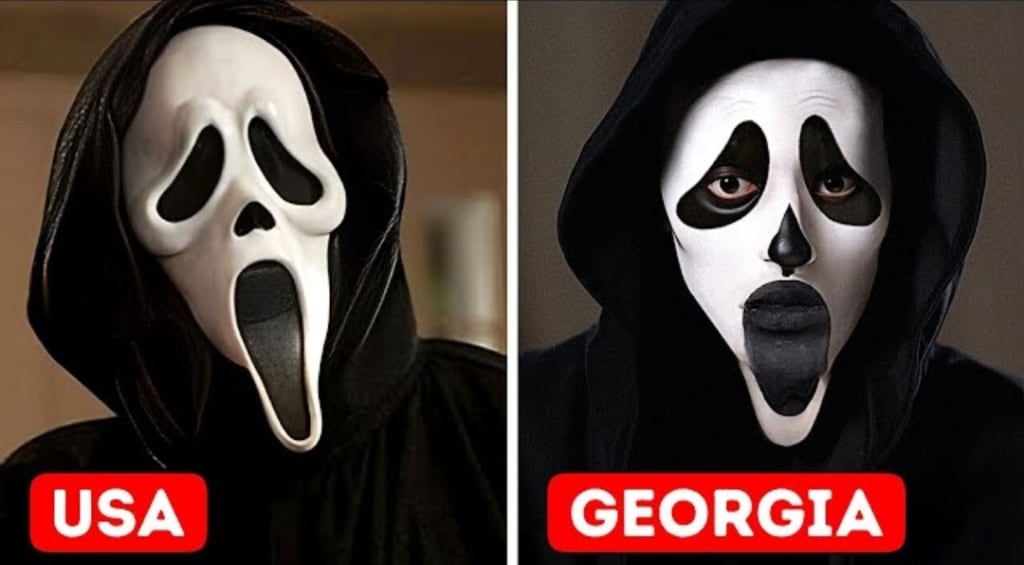
Halloween, a holiday celebrated with enthusiasm in the United States, is no small affair. In fact, the average American spends about $92 per person on Halloween-related items. This might not sound like a big deal until you consider that Halloween is the second-largest commercial holiday in the U.S. Decorations, costumes, and candy all play a major role in preparations, and in 2022, Americans spent a record-breaking $10.6 billion on Halloween goods. The holiday's popularity is clearly evident, but what about in the United Kingdom?
Unlike in the U.S., where Halloween decorations are visible on nearly every porch and store, the UK does not see the same enthusiasm for decorating. Halloween customs in the UK are largely influenced by ancient Celtic traditions, yet the holiday isn’t as widely celebrated. In the UK, pumpkins are usually found only in the produce section of grocery stores, and corn mazes, a popular Halloween activity in America, are rare. While many Americans enjoy navigating these mazes as part of their fall traditions, they are almost impossible to find in the UK.
In America, Halloween isn’t complete without a marathon of spooky films. From the family-friendly favorites like *Hocus Pocus* and *The Haunted Mansion* to terrifying horror movies like *Friday the 13th* or *Scream*, U.S. television networks devote entire channels to Halloween films throughout October. In contrast, the UK does not have the same television tradition. You might have to search for your favorite Halloween movies, as a nationwide movie marathon just isn’t a part of British culture.
The U.S. also takes Halloween costumes very seriously. The tradition of dressing up dates back to the early 20th century, with mass-produced costumes hitting the market in the 1930s. By 2021, Americans spent nearly $3.3 billion on costumes alone. Children wear whatever costumes they like, even if they're not traditionally Halloween-themed, such as princess or superhero outfits. Meanwhile, in the UK, traditional costumes like ghosts, vampires, and zombies dominate Halloween celebrations, and the country doesn’t see the same level of costume creativity.
In some places, there are even specific laws surrounding costumes. For example, in Dublin, Georgia, anyone over the age of 16 is not allowed to wear a costume that covers their face, including sunglasses or hoods. If that seems like too much of a restriction, you might want to head to Derry in Northern Ireland. Derry celebrates Halloween with a four-day event called the Banks of the Foyle Carnival, which includes haunted houses, parades, and other festivities. It was even named the best place in the world to celebrate Halloween in 2015.
In the U.S., Halloween spirit infiltrates every corner of daily life, with themed breakfasts, snacks, and drinks available everywhere. In the UK, however, you won’t find the same level of Halloween-themed products. American favorites like Snickers, Reese’s Pieces, and candy corn are hard to come by in the UK, where local brands like Cadbury and McVitie’s offer their own variety of treats. In Ireland, you might find a traditional Halloween bread called *barmbrack*, which is made with dark and golden raisins. This sweet loaf sometimes contains a hidden toy or ring, and the person who finds it is believed to have good fortune in the coming year.
In the U.S., the most popular Halloween activity is trick-or-treating. Children go door-to-door, dressed in costumes, shouting "trick or treat" in hopes of filling their bags with candy. In some cities like St. Louis, Missouri, and Des Moines, Iowa, trick-or-treaters must perform a joke or riddle to earn their treats. The tradition of trick-or-treating can be traced back to Canada in the early 20th century, though the phrase "trick or treat" became common in the U.S. in the 1930s. Interestingly, the phrase wasn’t widely used in Ireland until the 1980s and was popularized by the film *E.T.*
The roots of trick-or-treating, however, are much older. The origins can be traced back to the ancient Celtic festival of Samhain, which marked the end of harvest and the beginning of winter. It was believed that the barrier between the physical world and the spirit world thinned during this time, allowing spirits to roam the earth. To ward off these spirits, people dressed in costumes and offered food to appease the supernatural beings. This custom evolved over time into the practice of guising in Scotland and Ireland, where people dressed in costumes and performed songs or plays in exchange for food. By the 15th century, people in parts of Britain, Southern Germany, and Austria would go door-to-door in exchange for soul cakes, which were pastries given to pray for the souls of the deceased.
Despite the longstanding history of Halloween in these regions, the modern trick-or-treat tradition didn’t become widespread until the 20th century. Even then, the term "trick or treat" didn’t become popular in Ireland until after the release of *E.T.* in 1982. It wasn’t until the 2000s that the phrase became commonly used, replacing older expressions like "help the Halloween party" in Ireland.
Whether you’re in the U.S. or the UK, Halloween remains a special occasion marked by unique traditions. While Americans go all out with decorations, costumes, and candy, the British celebration is more low-key, with roots deeply connected to ancient customs. Both countries, however, share a love for spooky fun, even if their celebrations look a little different.
About the Creator
Nora Ariana
Empowering through stories and sound igniting purpose, sparking growth, and awakening the power within.
Keep reading
More stories from Nora Ariana and writers in Earth and other communities.
A goal is a dream with a deadline
A goal is a dream with a deadline. This powerful quote reminds us that without action, dreams remain just that wishes floating in our imagination. But when we set a timeline and commit to achieving them, they evolve into goals, bringing clarity, direction, and purpose. Many people go through life holding on to dreams, hoping they will come true someday. But someday is not a day on the calendar. Dreams without structure often fade with time or get buried under the weight of daily responsibilities. Turning a dream into a goal is what separates those who achieve from those who continue to wish.
By Nora ArianaExclusive • 9 months ago
Stock Market Today: Nasdaq Futures Rise; Oil Skids After Trump Dials Down Iran Tension
If you’ve been following the markets this week, you’ve probably noticed how sensitive traders are to geopolitical headlines. On Thursday, Nasdaq futures rose, while oil prices dropped after U.S. President Donald Trump made remarks that dialed down fears of immediate military escalation with Iran. It’s a classic example of how news can move multiple markets at once — tech stocks climbing while commodities react in the opposite direction. Nasdaq Futures Bounce Back Technology and growth-focused stocks led the recovery in futures trading. Nasdaq futures climbed, signaling that investors are regaining confidence after recent volatility. Many traders have been cautious, with some taking profits from high-flying tech names, but today’s rebound shows that market optimism is returning. Corporate earnings are a big factor here. Several tech giants, including semiconductor and software companies, have beaten analyst expectations in recent weeks. These results support longer-term growth narratives, giving investors confidence that the tech sector can continue to outperform even amid economic uncertainty. For anyone watching the markets, this is a reminder: futures are forward-looking indicators. When traders see signs of stabilization — like reduced geopolitical tension or strong earnings — markets often react positively before the official trading session even begins. Oil Prices Fall Amid Eased Tensions On the flip side, oil prices skidded. The energy market had been pricing in potential supply disruptions due to the tension with Iran, particularly in critical regions like the Strait of Hormuz. But after Trump’s comments, traders interpreted a lower risk of military conflict, and crude futures dropped sharply. West Texas Intermediate (WTI) and Brent crude both saw declines of around 4–5%, as investors adjusted their positions. This shows how geopolitical risk premiums can inflate commodity prices — and how quickly they can disappear once the perceived threat diminishes. Lower oil prices are a double-edged sword. On one hand, cheaper fuel eases costs for consumers and businesses. On the other, energy companies and oil-exporting nations may face pressure on revenue and profits if prices remain soft. Why Geopolitics Moves Markets The Middle East continues to be a major driver of global market sentiment. Even the possibility of conflict in oil-rich regions can make investors nervous, sending equities lower and commodities higher. Conversely, statements that calm these fears can produce quick rebounds in risk assets like stocks and a decline in commodities like oil. This week’s developments show just how reactive the markets have become. A single remark from a world leader — in this case, Trump — can shift risk perception and trigger immediate moves across multiple asset classes. Earnings and Economic Data Still Key While geopolitical headlines dominate daily moves, corporate earnings and economic data remain critical for long-term market trends. Financial giants like Morgan Stanley recently reported results that beat expectations, boosting their stock prices and reinforcing positive sentiment in the sector. Investors are paying close attention to these fundamentals. Earnings reports and macroeconomic indicators provide insight into underlying trends, helping traders separate short-term volatility from sustainable growth. What Investors Should Watch For stock investors: The rebound in Nasdaq futures suggests that growth and technology stocks are finding support, but volatility is still high. Active risk management and portfolio diversification remain essential. For energy markets: Today’s slump in oil prices highlights how commodities react to geopolitical sentiment. Traders should watch for developments in the Middle East, as any escalation could reverse the decline in prices almost immediately. For global markets overall: Investors must balance multiple narratives — geopolitical events, corporate earnings, economic data, and interest rate expectations. This interplay shapes risk appetite and influences how capital flows across sectors and regions. The Takeaway Today’s market action illustrates a broader theme: markets are highly sensitive to shifts in risk perception. When geopolitical tension eases, equities tend to rise, and risk-sensitive commodities like oil fall. But when threats reappear, sentiment can flip, reminding investors that global markets are dynamic and interconnected. This combination of Nasdaq gains and falling oil prices isn’t just about numbers — it’s about investor psychology, risk management, and the speed at which news travels in our global economy. The lesson is clear: staying informed and flexible is more important than ever for anyone participating in today’s markets.
By Muhammad Hassan3 days ago in Earth
Cement's Quiet Pivot
Why this is under-the-radar progress Cement and concrete account for a sizable slice of global CO₂, but the fastest cuts right now aren’t headline-grabbing moonshots — they’re practical shifts already filtering through specifications, standards, and procurement. Three forces are converging: (1) modern cement standards that enable big clinker reductions with reliable performance; (2) rapid market adoption of Portland-limestone cement (PLC) and new ternary blends such as limestone–calcined clay cements (LC3); and (3) public buyers setting embodied-carbon requirements that move the market. Together, these are driving real-world emission declines from the most-used construction material on earth — often without changing how structures are designed or built [8].
By Futoshi Tachino6 days ago in Earth


Comments
There are no comments for this story
Be the first to respond and start the conversation.