

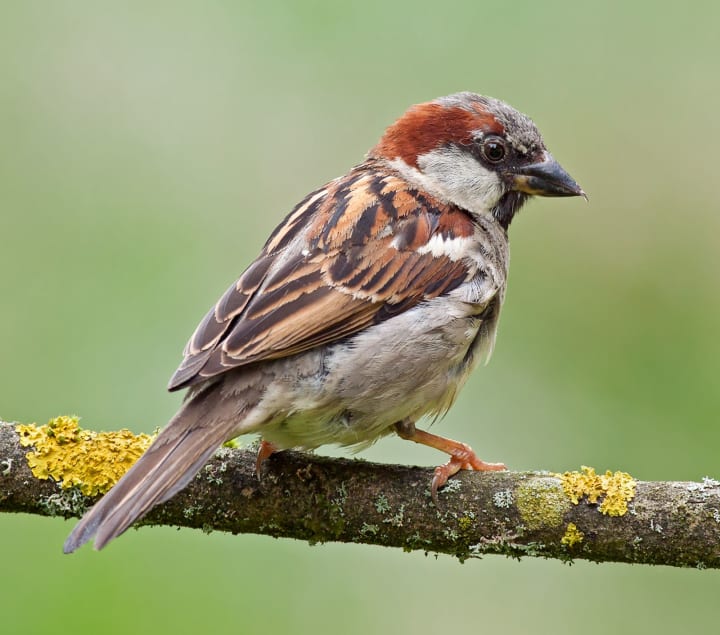
Sparrows are small, common birds that are found all over the world. There are many different species of sparrows, but they are all characterized by their small size, rounded bodies, and short, conical bills. Sparrows are often brown or gray in color, with distinctive markings on their heads, backs, and wings.
Sparrows are social birds and often form flocks, particularly during the non-breeding season. They are mainly seed eaters, but they also consume insects and other small invertebrates. Sparrows are often found in urban and suburban areas, where they make use of buildings and other human-made structures for nesting and roosting.
Some common species of sparrows include the house sparrow, the song sparrow, the chipping sparrow, and the white-crowned sparrow. Sparrows are often appreciated by birdwatchers and backyard bird enthusiasts for their lively and entertaining behavior.
In addition to their entertaining behavior, sparrows play an important role in many ecosystems. As seed eaters, they help to control the populations of weeds and other plants, and as insect eaters, they help to control the populations of many different insect species. In some cases, sparrows have even been used as biological controls for insect pests.
However, sparrows can also be considered pests themselves in some situations. In areas where they have been introduced, such as North America and Australia, house sparrows have been known to outcompete native bird species for resources. They can also cause damage to crops and buildings.
Despite their small size, sparrows have had a significant impact on human culture. In many cultures, sparrows are considered to be symbols of good luck, while in others they are associated with love and fertility. Sparrows have also been the subject of many works of art and literature, including the famous poem "The Dazzling Thrush" by Thomas Hardy.
Overall, sparrows are fascinating and important birds that have captured the attention and imagination of humans for centuries.
In recent years, sparrows have faced some challenges, particularly in urban areas. As cities grow and become more developed, the natural habitats of sparrows are being lost or fragmented. This can make it more difficult for sparrows to find suitable places to nest, roost, and feed.
In addition, some modern building materials and design features are not well-suited for sparrows. For example, glass windows and walls can be deadly for birds that collide with them, and many modern buildings have few or no nooks or crannies where sparrows can nest.
To address these challenges, many organization and individuals are working to create more bird-friendly urban environments. This can involve designing buildings with features that are safe and attractive for birds, such as bird-friendly glass, bird boxes, and green roofs. It can also involve planting native plants that provide food and shelter for sparrows and other birds.
Overall, sparrows are an important part of our natural world and our cultural heritage. By taking steps to protect and enhance their habitats, we can help to ensure that they continue to thrive for generations to come.
One way to help protect sparrows and other birds is through citizen science projects. Citizen science involves ordinary people collecting data and contributing to scientific research. Many birdwatching organisations and conservation groups have programs that allow people to report sightings of sparrows and other birds, which can help researchers track their populations and movements over time.
Another way to support sparrows is by creating bird-friendly gardens and green spaces. By planting native plants and providing bird feeders and water sources, you can create a welcoming habitat for sparrows and other birds in your own backyard.
If you find a sparrow that appears injured or in distress, it is important to contact a licensed wildlife rehabilitator for assistance. These trained professionals can provide medical care and rehabilitation for injured or orphaned birds, and help to ensure that they are able to return to the wild once they have recovered.
Overall, sparrows are a fascinating and important part of our natural world, and they deserve our respect and protection. By taking simple steps to support these birds and their habitats, we can help to ensure that they continue to thrive for years to come.
In some parts of the world, sparrows are also considered to be a culinary delicacy. In China, for example, sparrow meat is considered to be a traditional delicacy and is often used in soups and stews. However, hunting and consuming sparrows is illegal in many countries, and it is important to be aware of local laws and regulations before consuming any wild birds.
Sparrows are also known for their vocalizations. Many species of sparrows have distinctive songs and calls, and these vocalizations are an important part of their communication and social behavior. Some species, such as the song sparrow, are particularly well-known for their beautiful and complex songs.
In addition to their beauty and cultural significance, sparrows have also contributed to scientific research. The house sparrow, for example, has been used as a model organism in many studies of genetics, behavior, and ecology. Scientists have used these birds to explore questions about mating behavior, territoriality, and social organization, among other topics.
Overall, sparrows are fascinating and important birds that have captured the attention and imagination of humans for centuries. Whether you are a birdwatcher, a nature lover, or a scientist, there is much to admire and appreciate about these small but remarkable creatures.
About the Creator
Keep reading
More stories from Sangeetha S and writers in Earth and other communities.
EARTHWORM
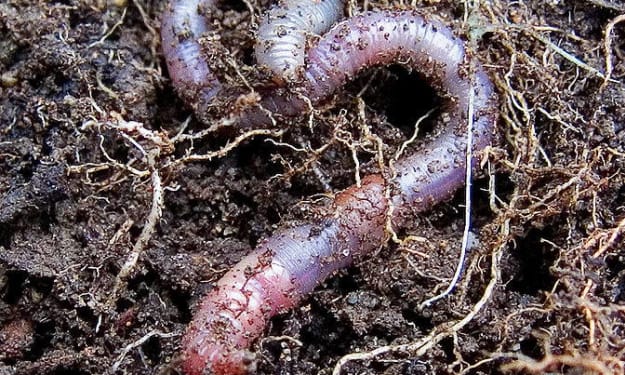
Earthworms are elongated, tube-shaped, segmented worms that are found in soil all over the world. They play an important role in soil health and fertility, as they help to break down organic matter and mix it into the soil. This process, known as burrowing or tunneling, helps to aerate the soil and improve its drainage and nutrient content.
By Sangeetha S3 years ago in Earth
High-Speed Train Crash in Southern Spain Leaves at Least 21 Dead
A devastating high-speed train crash in southern Spain has left at least 21 people dead and dozens injured, shocking the nation and triggering a major emergency response. The incident, which occurred on a busy rail route connecting key southern cities, has reignited concerns over railway safety, infrastructure maintenance, and emergency preparedness in one of Europe’s most advanced rail networks.
By Aarif Lashari2 days ago in Earth
Icy Chaos in Central and Eastern Europe
Winter has unleashed its fury across central and eastern Europe, leaving travelers frustrated and transport networks struggling to keep up. Over the past few days, freezing rain and ice have wreaked havoc on airports, train stations, and highways — forcing flight diversions, delaying trains, and making roads treacherously slippery. From Vienna to Budapest, Prague to Bratislava, this icy grip has brought travel to a near standstill. Let’s take a closer look at what’s happening, how it’s affecting people on the move, and what it tells us about winter travel in Europe. A Sudden Winter Blow A sudden wave of freezing rain swept across the region, coating runways, rail tracks, and roads with a dangerous layer of ice. Major airports in Austria, Hungary, Slovakia, and the Czech Republic were particularly affected. At Vienna International Airport, operations were temporarily suspended when runways became too slick for flights to land safely. Travelers already in the air had to divert to alternative airports in Munich, Frankfurt, and Venice. Meanwhile, Budapest’s Ferenc Liszt International Airport paused all arrivals and departures, and Prague’s Václav Havel Airport continued operating but at limited capacity. Trains Crawling Through Ice Rail networks weren’t spared. Across Austria, Hungary, and the Czech Republic, ice on tracks and power lines caused delays and cancellations. Austria’s national rail operator, ÖBB, urged passengers to postpone non-essential journeys. In the Czech Republic, travelers at Prague’s main station faced long waits as trains struggled to maintain schedules. Hungary’s tram and suburban rail services were temporarily suspended due to ice buildup on power lines. This combination of black ice, frozen switches, and heavy snowfall has tested the limits of winter infrastructure in Europe. Roads Turn Into Skating Rinks The icy weather didn’t just affect public transport — roads became treacherous, too. Authorities in Slovakia and the Czech Republic warned residents to avoid non-essential travel as highways turned into slippery skating rinks. Accidents and minor collisions were reported, and emergency services were busy responding to dozens of injuries from slips and falls. Even schools weren’t immune: parts of Romania shifted to online learning, keeping children safe during the extreme temperatures, which dropped to around -13°C in some areas. Why This Weather Is So Disruptive Meteorologists point to several factors that made this storm particularly severe: Freezing rain on top of existing snow creates an icy layer that’s extremely hard to clear. Rapidly refreezing surfaces make conditions unpredictable. Temperatures hovering around freezing prevent efficient melting during the day. This “perfect storm” scenario underscores just how vulnerable transport systems are to extreme weather. Even well-prepared airports and rail networks can struggle when weather transitions from snow to freezing rain. Voices From the Ground Passengers took to social media to express their frustration: Crowded airports as travelers scrambled to rebook flights. Train stations packed with delayed commuters, unsure when the next train would depart. Warming centers opened to provide shelter and hot drinks for stranded travelers. For many, a simple trip turned into a test of patience and resilience. Tips for Traveling in Freezing Conditions If you must travel during winter storms, experts recommend: Check flight and train schedules regularly, as delays can change quickly. Allow extra time for travel to avoid missing connections. Consider travel insurance that covers weather-related disruptions. If driving, carry winter essentials: blankets, food, water, and check road conditions before departure. Most importantly, prioritize safety over schedules — icy conditions can change rapidly, making travel risky. A Reminder From Winter This recent chaos in central and eastern Europe serves as a stark reminder of how interconnected transport systems are, and how vulnerable they can be to extreme weather. Flights grounded, trains stalled, and highways turned icy show that winter can bring travel to a halt — sometimes with very little warning. As Europe continues to face volatile winter conditions, travelers and authorities alike are reminded: preparation and flexibility are key. Sometimes, the weather truly has the final say. ❄️🛫🚆
By Muhammad Hassan7 days ago in Earth
Smart phones, Humans and Aliens.
WARNING. I will be tapping into one of your favorite creative tensions: The absurdity of humans worshipping their glowing rectangles as if they were tiny oracles. There’s something deliciously poetic about that contradiction, and it lends itself beautifully to an instructive proviso.
By Novel Allen5 days ago in Poets


Comments
There are no comments for this story
Be the first to respond and start the conversation.