
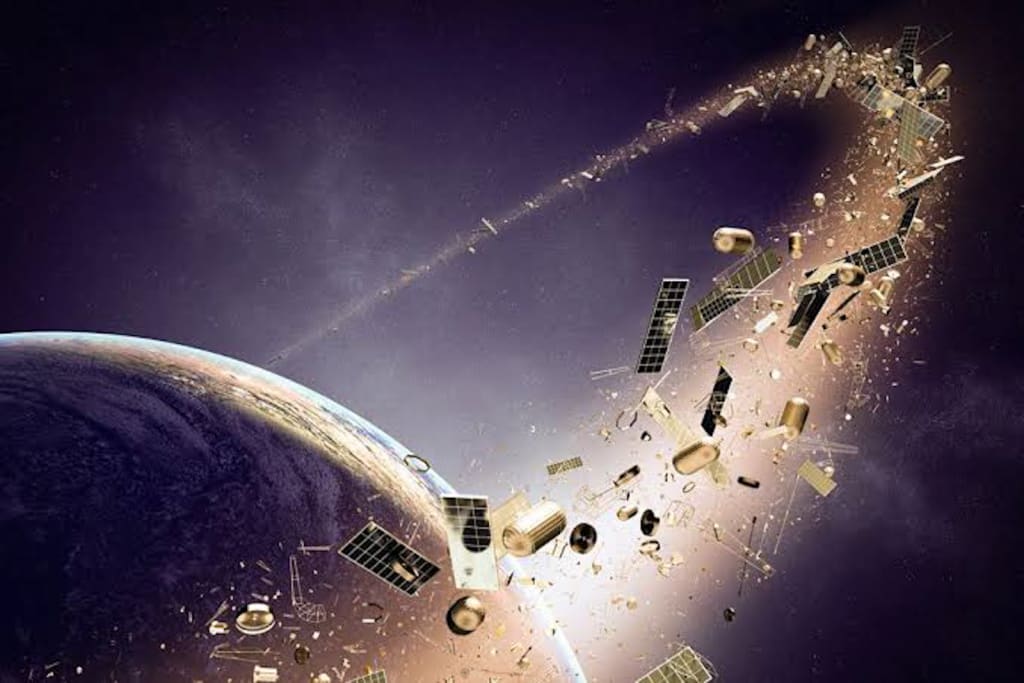
what is space debris?
Space debris, also known as space junk, is any man-made object in orbit around the Earth that no longer serves a useful purpose. This can include defunct satellites, spent rocket stages, and other debris that was generated by human spaceflight. There are millions of pieces of space debris orbiting the Earth, ranging in size from tiny flecks of paint to large pieces of defunct spacecraft. Some of this debris is a result of natural processes, such as meteoroids and cometary material, but the majority is man-made
Many of the larger pieces of space debris are being tracked by radar and other means, but it is estimated that there are tens of millions of smaller pieces that are too small to be tracked. These small pieces of debris can still pose a threat to active spacecraft and astronaut.
What is traking in space debris?
Tracking space debris refers to the process of monitoring and following the movements of objects in Earth orbit. This is typically done using radar and other sensors, such as telescopes and laser rangefinders. The primary goal of tracking space debris is to understand the location, size, and trajectory of the objects, as well as to predict any potential collisions with other objects. Tracking data is also used to assess the risk of space debris to active spacecraft and astronauts.
There are several methods that are used to track space debris, including:
RADAR: Radar is a common method for tracking space debris, as it can be used to detect and track objects at a variety of distances. Radar systems can be ground-based or space-based, and they work by emitting a radio signal and measuring the time it takes for the signal to bounce back off the object being tracked.
Telescopes: Optical telescopes can be used to track space debris by observing the objects visually and measuring their positions and movements. This is typically done at night, when the objects are visible against the dark sky.
Laser rangefinders: Laser rangefinders use a laser beam to measure the distance to an object. They can be used to track space debris by measuring the distance to the object repeatedly over time and using this data to calculate the object's trajectory.
Other sensors: Other sensors, such as infrared detectors and spectrometers, can be used to track space debris by measuring the thermal radiation or the spectral characteristics of the objects.
Tracking space debris is an important part of managing and mitigating the problem of space junk. It helps us to understand the location and movements of the objects, and to predict and prevent potential collisions.
What is promblem in space debris?
Space debris, also known as space junk, can be a significant problem because it can pose a threat to active spacecraft and astronauts. There are millions of pieces of debris orbiting the Earth, ranging in size from tiny flecks of paint to large pieces of defunct spacecraft. Many of the larger pieces of debris are being tracked, but it is estimated that there are tens of millions of smaller pieces that are too small to be tracked. These small pieces of debris can still pose a threat to active spacecraft and astronauts, as collisions with even small pieces of debris can cause significant damage.
In addition to the direct threat to spacecraft and astronauts, the problem of space debris is also becoming more acute as the amount of debris in orbit continues to grow. This is because each collision between two objects creates even more debris, which can then collide with other objects and create more debris, leading to a cycle of increasing debris generation. This can make it more difficult and costly to launch and operate spacecraft, and it can also make it more difficult for scientists to use space-based instruments for research and other purposes.
Overall, the problem of space debris highlights the need for better management and mitigation strategies to help reduce the amount of debris in orbit and to prevent the creation of new debris
Causes of space debris
There are several causes of space debris:
Defunct satellites: As satellites reach the end of their operational lives, they can become space debris. This can occur when the satellite runs out of fuel, malfunctions, or becomes otherwise non-functional.
Spent rocket stages: The stages of rockets that are used to launch spacecraft into orbit can also become space debris when they are no longer needed.
Collisions: When two objects collide in space, they can create a cloud of debris. This can be a significant source of space debris, particularly in orbits where there is a high concentration of objects.
Fragmentation: Some space debris is created when objects in orbit break apart, either due to structural failure or external forces such as micrometeoroid impacts.
Human activity: Human activity in space, such as space missions and satellite launches, can also contribute to the problem of space debris.
Natural sources: While the majority of space debris is man-made, there are also natural sources of space debris, such as meteoroids and cometary material. Overall, the problem of space debris is largely a result of human activity in space, and it highlights the need for better management and mitigation strategies to help reduce the amount of debris in orbit and to prevent the creation of new debris.
What does space debris do to humans?
Space debris, also known as space junk, can pose a threat to humans in a number of ways
Collisions with spacecraft: Space debris can collide with active spacecraft, causing damage to the spacecraft and potentially endangering the lives of any astronauts on board.
Risk to astronauts: Astronauts on spacewalks or in space stations can also be at risk from space debris. While the risk of a collision is relatively low, it is still a concern, particularly as the amount of debris in orbit continues to grow.
Interference with satellite operations: Space debris can interfere with the operation of satellites, which can have a number of impacts on humans. For example, satellite outages can disrupt communication, GPS navigation, and other services that are critical to our daily lives.
Economic impacts: The problem of space debris can also have economic impacts, as it can make it more costly and difficult to launch and operate spacecraft, and it can also interfere with the use of space-based instruments for research and other purposes.
Overall, the problem of space debris highlights the need for better management and mitigation strategies to help reduce the amount of debris in orbit and to prevent the creation of new debris.
Future of space debris
The future of space debris is uncertain, as it depends on a number of factors, including the rate at which new debris is generated and the effectiveness of efforts to mitigate and manage the problem. Some experts predict that the amount of debris in orbit will continue to grow unless action is taken to address the problem. This could make it more difficult and costly to launch and operate spacecraft, and it could also increase the risk of collisions with active spacecraft and astronauts.
On the other hand, there are also efforts underway to mitigate and manage the problem of space debris. These can include measures such as removing debris from orbit, using low-altitude orbits that allow debris to naturally re-enter the Earth's atmosphere, and developing new materials and technologies that are more resistant to breakage and fragmentation.
If these efforts are successful, they could help to reduce the amount of debris in orbit and to prevent the creation of new debris. Overall, the future of space debris will depend on a combination of factors, including the rate at which new debris is generated, the effectiveness of efforts to mitigate and manage the problem, and the overall level of human activity in space.
About the Creator
Reader insights
Outstanding
Excellent work. Looking forward to reading more!
Top insights
Easy to read and follow
Well-structured & engaging content
Excellent storytelling
Original narrative & well developed characters
Eye opening
Niche topic & fresh perspectives
Heartfelt and relatable
The story invoked strong personal emotions
Global Aerosol Paints Market Forecast 2025–2033
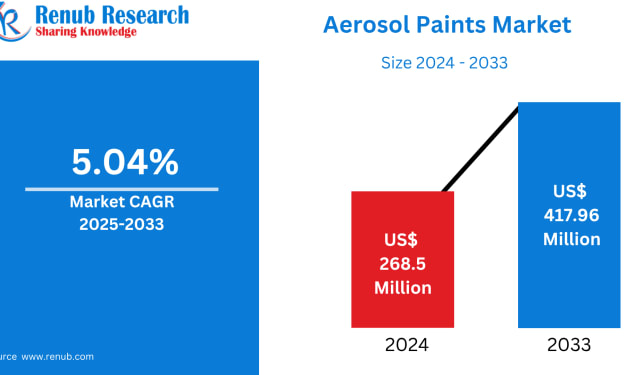
Introduction The global aerosol paints market is steadily transforming from a niche convenience product into a mainstream coating solution used across industries, homes, and creative spaces. In 2024, the market was valued at USD 268.5 million, and it is projected to reach USD 417.96 million by 2033, expanding at a CAGR of 5.04% during 2025–2033, according to Renub Research. This growth is driven by the convergence of DIY culture, automotive customization, construction activity, and industrial maintenance needs, alongside innovation in eco-friendly formulations and application technologies.
By Aaina Oberoi4 days ago in Earth
15 Years After Fukushima, Japan Prepares to Restart the World’s Biggest Nuclear Plant
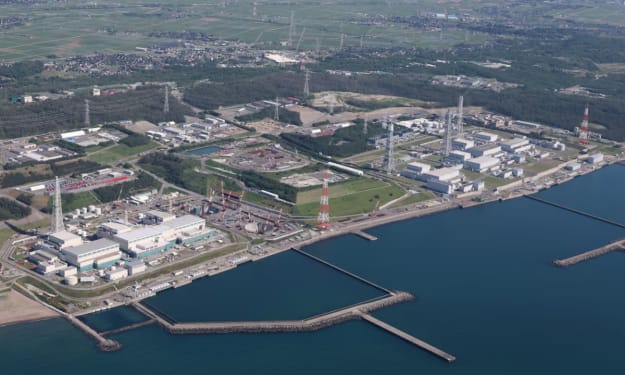
Fifteen years after the catastrophic Fukushima disaster, Japan is preparing to restart the world’s largest nuclear power plant. The decision marks a significant turning point in the country’s energy policy, reflecting both the urgent need for stable energy sources and the ongoing concerns about safety, environmental impact, and public trust. The move underscores Japan’s complex relationship with nuclear energy—a technology that has fueled the nation’s economic growth but also caused one of the worst nuclear disasters in history. The Fukushima Legacy In March 2011, a massive earthquake and tsunami triggered a meltdown at the Fukushima Daiichi Nuclear Power Plant, releasing radioactive material and forcing the evacuation of tens of thousands of residents. The disaster exposed flaws in safety regulations and emergency preparedness, reshaping public perception of nuclear energy in Japan and around the world. Following the incident, Japan shut down nearly all its nuclear reactors, relying heavily on imported fossil fuels to meet energy demand. The decision led to increased energy costs and heightened greenhouse gas emissions, creating pressure to diversify energy sources. Why Japan is Restarting Nuclear Reactors The restart of nuclear plants, including the world’s largest facility, is driven by several factors: Energy Security: Japan imports over 90% of its energy needs. Restarting nuclear plants reduces dependence on foreign fossil fuels and helps stabilize electricity supply. Climate Goals: Nuclear power generates electricity with minimal carbon emissions. As Japan commits to reducing greenhouse gases, nuclear energy offers a low-carbon alternative to coal and natural gas. Economic Considerations: Importing fossil fuels is expensive. Nuclear energy provides a relatively cheaper source of electricity in the long term, helping households and industries manage costs. The government emphasizes that advanced safety measures and rigorous inspections are in place, aiming to restore public confidence and prevent another disaster. Safety Measures and Upgrades Since 2011, Japan has invested heavily in upgrading nuclear infrastructure. Lessons from Fukushima have led to stricter regulations and improved disaster preparedness: Reinforced Reactor Buildings: Structures are now designed to withstand larger earthquakes and tsunamis. Advanced Cooling Systems: Redundant and automated cooling systems reduce the risk of overheating. Emergency Response Planning: Local governments and plant operators coordinate evacuation drills and disaster simulations. Regulatory Oversight: Japan’s Nuclear Regulation Authority (NRA) conducts independent inspections to ensure compliance with safety standards. Despite these measures, skepticism remains. Many citizens fear that no system can fully eliminate the risks associated with nuclear power, especially given the unpredictable nature of natural disasters in Japan. Public Opinion and Controversy The decision to restart the world’s biggest nuclear plant has sparked debate across Japanese society. Supporters argue that nuclear energy is essential for economic stability, energy security, and climate goals. They point out that without nuclear power, Japan would struggle to meet rising electricity demand and climate commitments. Opponents, however, raise concerns about safety, environmental impact, and long-term waste management. Memories of Fukushima remain vivid, and surveys indicate that a significant portion of the population is uneasy about returning to nuclear energy. Local communities near nuclear plants have voiced particular concern, fearing potential accidents and contamination. Economic and Energy Implications Restarting nuclear plants could have broad economic benefits. Stable electricity supply reduces the risk of blackouts, supports industrial activity, and helps control electricity prices for households. From an energy policy perspective, nuclear power allows Japan to balance its energy mix more sustainably. It complements renewable sources like solar and wind, which can fluctuate depending on weather conditions. Nuclear plants provide a steady “baseload” supply that renewables alone cannot guarantee. However, challenges remain: the disposal of radioactive waste, decommissioning older plants, and ensuring consistent regulatory oversight are all long-term concerns that Japan must address to maintain credibility and safety. Global Perspective Japan’s decision is being watched closely worldwide. The Fukushima disaster reshaped global nuclear policy, leading countries like Germany to phase out nuclear energy while others, including China and South Korea, continue to invest in it. Restarting the world’s largest nuclear plant sends a signal about Japan’s commitment to energy self-sufficiency and low-carbon power. It also raises questions about how other nations handle the balance between energy security and safety, especially as climate change increases the urgency for reliable, low-emission energy sources. Lessons Learned Fifteen years after Fukushima, Japan’s experience provides key lessons for the global community: Preparedness is Crucial: Robust safety standards and disaster response systems are essential for operating nuclear plants in seismically active regions. Public Trust Matters: Long-term energy policy must consider public perception and involve communities in decision-making. Diversified Energy Strategy: Nuclear power should be part of a broader energy mix, complemented by renewables to reduce risk and emissions. Continuous Oversight: Independent regulatory bodies and transparent operations are critical for maintaining safety and credibility. These lessons are not only relevant for Japan but also for any country considering nuclear power as part of its energy transition strategy. Conclusion The restart of Japan’s largest nuclear plant, fifteen years after the Fukushima disaster, represents both hope and caution. It promises more stable energy, lower carbon emissions, and economic benefits. At the same time, it reminds the world of the inherent risks of nuclear power and the need for rigorous safety, transparent governance, and public engagement. Japan’s journey reflects a broader challenge faced by many nations: how to meet growing energy demand and climate goals while ensuring safety, sustainability, and public trust. The coming years will reveal whether this bold step strengthens Japan’s energy future or reignites debate over the role of nuclear power in a post-Fukushima era.
By Muhammad Hassan6 days ago in Earth


Comments (14)
Great work 👏👏👏 keep rocking 🥰🥰🥰
Best work
Super
Well done
Fantastic
Rockstar
Wow
Valka valamudan....
🙂🙂
Superrrrr
Super
Good work keep going
Such a great work. Thanks for make my time worth keep your good great work.
Thanks for giving the good message..🙂