
South Korea’s Battle Against Pollution: A Fight for Clean Air, Water, and Land
Uncovering the Causes, Impacts, and Visionary Solutions to South Korea’s Environmental Crisis

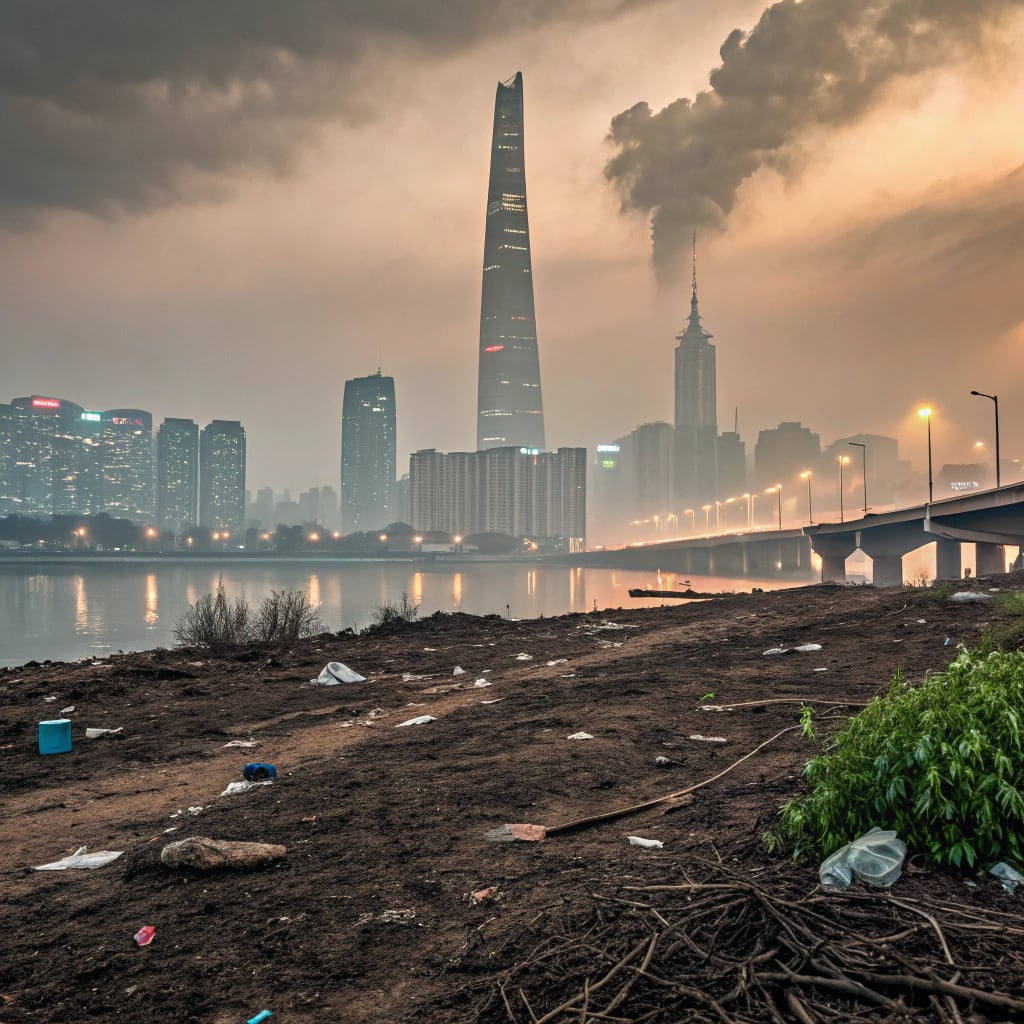
South Korea, a global leader in technology and innovation, faces a pressing environmental challenge: pollution. Despite its economic prowess, the nation grapples with air quality issues, contaminated waterways, and soil degradation that threaten public health and ecosystems. From Seoul’s smog-filled skies to plastic-choked coasts, pollution demands urgent action. Let’s explore the causes, severe impacts, and innovative strategies driving South Korea’s quest for a sustainable future.
The Sources of Pollution
South Korea’s pollution crisis is driven by industrial activity, urbanization, and regional influences. Air pollution is a major concern, with fine particulate matter (PM2.5) levels in Seoul averaging 24 µg/m³ in 2024, exceeding WHO’s 5 µg/m³ guideline. The Ministry of Environment attributes 52% of this to domestic sources like coal plants and diesel vehicles, which emit high levels of nitrogen oxides (NOx) and sulfur dioxide. Transboundary pollution from China’s industrial emissions, carried by westerly winds, contributes up to 40% of South Korea’s PM2.5, especially during winter.
Water pollution is equally troubling. The Han River, vital for 25 million people, faces contamination from industrial effluents and agricultural runoff, with 15% of its tributaries failing water quality standards, per a 2023 government report. South Korea generates 1.4 million tons of plastic waste annually, with 20,000 tons entering the Yellow Sea, harming marine ecosystems. Soil pollution, driven by heavy metals like cadmium from industrial sites, affects 3,500 hectares of farmland, reducing agricultural output by 10% in contaminated areas.
The Human and Environmental Toll
Pollution’s impacts are profound. Air pollution causes 17,000 premature deaths annually, according to a 2022 study by the Korea Environment Institute, with respiratory diseases like asthma affecting 1 in 8 urban children. Cardiovascular issues linked to PM2.5 exposure have risen 20% in the past decade. Waterborne diseases, such as gastroenteritis, spike in rural areas due to contaminated groundwater, costing the healthcare system $1.2 billion yearly.
Ecosystems suffer significantly. Marine pollution threatens the Jeju Island coral reefs, with 30% of fish species showing population declines due to plastic ingestion. Soil contamination disrupts food security, with rice yields in affected areas dropping by 15%. Economically, pollution shaves 1.8% off South Korea’s GDP annually, driven by healthcare costs and lost productivity. Transboundary pollution also strains diplomatic relations, complicating joint efforts with China.
Innovative Solutions and Progress
South Korea is tackling pollution with bold policies and technology. The 2019 Fine Dust Reduction Act cut PM2.5 levels by 27% in major cities by 2024, with measures like shutting down old coal plants and expanding renewable energy, which now accounts for 15% of the energy mix. The government’s $10 billion investment in electric vehicles (EVs) aims for 30% EV market share by 2030, reducing urban emissions. Real-time air quality apps, used by 60% of citizens, enhance public awareness.
Water management has seen progress through advanced treatment facilities, with 85% of sewage now treated before release. The 2021 Zero Plastic Waste initiative reduced single-use plastics by 30% in retail, while coastal cleanup programs have removed 10,000 tons of marine debris since 2020. Soil remediation efforts, using bioremediation techniques, have restored 40% of contaminated farmland. Public campaigns, like the “Green Korea” movement, promote recycling and sustainable lifestyles.
A Call to Action
South Korea’s pollution crisis demands sustained effort. Strengthening regional cooperation with China to curb transboundary pollution, enforcing stricter industrial regulations, and scaling up renewable energy are critical. Innovations like AI-based air purifiers and biodegradable packaging offer hope. Citizens must embrace sustainable practices, from reducing plastic use to supporting green policies. South Korea’s technological prowess and cultural resilience position it to lead in environmental restoration. The fight for clean air, water, and soil is a fight for the nation’s future—every step forward counts. Let’s act now to ensure South Korea thrives in harmony with its environment.
About the Creator
Arjun. S. Gaikwad
Truth Writing unveils reality beyond illusion, power, and propaganda words that awaken conscience and challenge comfort. Fearless, honest, and thought-provoking, it explores politics, humanity, and spirit to inspire awareness and change.
Keep reading
More stories from Arjun. S. Gaikwad and writers in Earth and other communities.
Japan’s Silent Struggle: Confronting Pollution in a Land of Harmony
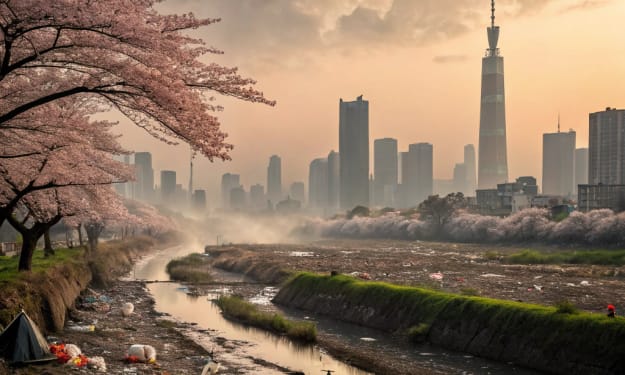
Japan, renowned for its blend of tradition and innovation, faces a less visible but pressing challenge: pollution. Despite its reputation for cleanliness and advanced technology, the nation grapples with air, water, and soil contamination that threatens its ecosystems and public health. From urban smog to marine plastic pollution, Japan’s environmental issues demand urgent action. Let’s delve into the causes, profound impacts, and forward-thinking solutions shaping Japan’s path to a cleaner future.
By Arjun. S. Gaikwad6 months ago in Earth
US Warns Airlines About Military Activity in Parts of Latin America
Commercial aviation is built on predictability—clearly defined airspace, coordinated air traffic control, and shared international rules. When that predictability is disrupted, even subtly, the ripple effects can stretch far beyond the cockpit. That is exactly why a recent warning from the United States has caught the attention of airlines, governments, and travelers alike. In early 2026, US aviation authorities issued an advisory warning airlines about military activity in parts of Latin America, urging pilots to exercise heightened caution when flying over certain regions. While no immediate restrictions or flight bans were imposed, the message itself was clear: something in the skies has changed, and the risks—however limited—can no longer be ignored. This development is not just about aviation safety. It reflects a growing intersection between geopolitics, military operations, and civilian infrastructure in a region that has long balanced cooperation with tension. What Exactly Did the US Warn About? The advisory, released through official aviation safety channels, highlighted concerns over potential military activity affecting airspace across parts of Mexico, Central America, South America, and nearby oceanic regions. Airlines were advised to remain vigilant during all phases of flight, including cruising at high altitudes, takeoff, and landing. Unlike routine notices related to weather systems or airport congestion, this warning explicitly referenced security-related risks. These include the possibility of unexpected military movements, temporary airspace disruptions, and interference with navigation systems that modern aircraft rely on for safe operations. Importantly, the warning did not accuse any specific country of wrongdoing, nor did it suggest an immediate danger to passengers. Instead, it served as a precaution—one designed to ensure airlines adjust flight planning, monitoring, and communication protocols accordingly. Why Military Activity Matters to Civil Aviation To the average traveler, military exercises or operations may seem distant from the experience of flying on a commercial jet. In reality, the two worlds often share the same skies. Civilian aircraft depend heavily on satellite navigation, coordinated air traffic control, and stable airspace rules. Military operations—especially those involving fast-moving aircraft, surveillance systems, or electronic equipment—can introduce uncertainty into that environment. Some of the key risks aviation authorities monitor include: Unplanned military aircraft movements that may not follow civilian flight patterns Temporary airspace closures or restrictions that require last-minute rerouting Navigation signal disruptions, whether accidental or intentional Increased congestion in strategic corridors used by both civilian and military flights While these risks are typically managed through coordination and communication, heightened military activity raises the stakes. The FAA’s advisory suggests that such activity has reached a level where additional caution is warranted. The Geopolitical Context Behind the Warning The timing of the advisory is not accidental. Latin America has seen a noticeable rise in security operations and military coordination involving the United States over the past year. These efforts are largely focused on counter-narcotics missions, maritime security, and regional stability, particularly in areas with strategic shipping routes or ongoing political tension. At the same time, broader global dynamics—ranging from great-power competition to shifting alliances—have increased the strategic importance of air and sea routes across the Western Hemisphere. From Washington’s perspective, issuing an aviation warning is not about alarmism. It is about acknowledging that military and security activities in the region may temporarily affect civilian systems, including aviation. How Airlines Are Responding For airlines, advisories like this are not unusual—but they are taken seriously. Most major carriers already operate with layered safety systems that allow them to respond quickly to changing conditions. In practical terms, this warning may lead to: Slight route adjustments to avoid specific airspace Enhanced pilot briefings before flights Increased coordination with air traffic controllers Closer monitoring of navigation and communication systems So far, there have been no widespread flight cancellations or suspensions linked directly to the warning. That suggests airlines view the risk as manageable, provided proper precautions are followed. Reactions from Latin American Governments Some governments in the region have been quick to reassure the public. Officials have emphasized that their national airspace remains safe and fully operational, and that civilian flights continue without disruption. This response highlights an important tension: while the US warning is precautionary, it can still affect public perception. Tourism, business travel, and investor confidence are all sensitive to suggestions of instability—even when no immediate danger exists. As a result, many countries are walking a careful line between cooperating on aviation safety and defending their reputation for stability. What This Means for Passengers For travelers, the key takeaway is simple: commercial aviation remains safe. Warnings like this are designed to prevent incidents, not predict them. Passengers flying through or over affected regions may experience slightly longer flight times or minor schedule adjustments, but there is no indication of increased danger to civilian aircraft. In fact, the existence of such advisories demonstrates how seriously aviation authorities take even low-probability risks. A Sign of a More Complex World The US warning to airlines is a reminder that modern air travel does not exist in a vacuum. As military operations, security concerns, and geopolitical rivalries evolve, civilian systems—from shipping lanes to flight paths—are increasingly affected. This moment underscores a broader reality: the skies are becoming more crowded, more contested, and more interconnected with global politics. Managing that complexity will require continued transparency, cooperation, and vigilance from governments, regulators, and airlines alike. For now, planes continue to fly, passengers continue to travel, and the system continues to work. But behind the scenes, aviation authorities are quietly adjusting to a world where safety is shaped not just by weather and mechanics—but by geopolitics as well.
By Muhammad Hassan2 days ago in Earth
Earth Is Not Our Property
There was a time when the Earth did not need us. Rivers carved their own paths without permission. Forests rose and fell like quiet empires. Ice learned the language of patience. The planet breathed in rhythms older than memory, older than names. Then we arrived—curious, clever, afraid of silence—and decided everything needed a fence.
By LUNA EDITHabout 7 hours ago in Earth


Comments
There are no comments for this story
Be the first to respond and start the conversation.