
Small Space, Big Harvest: Tips for Successful Kitchen Gardening in Containers
"Maximizing Your Harvest in a Small Space: Tips for Successful Kitchen Gardening in Containers"
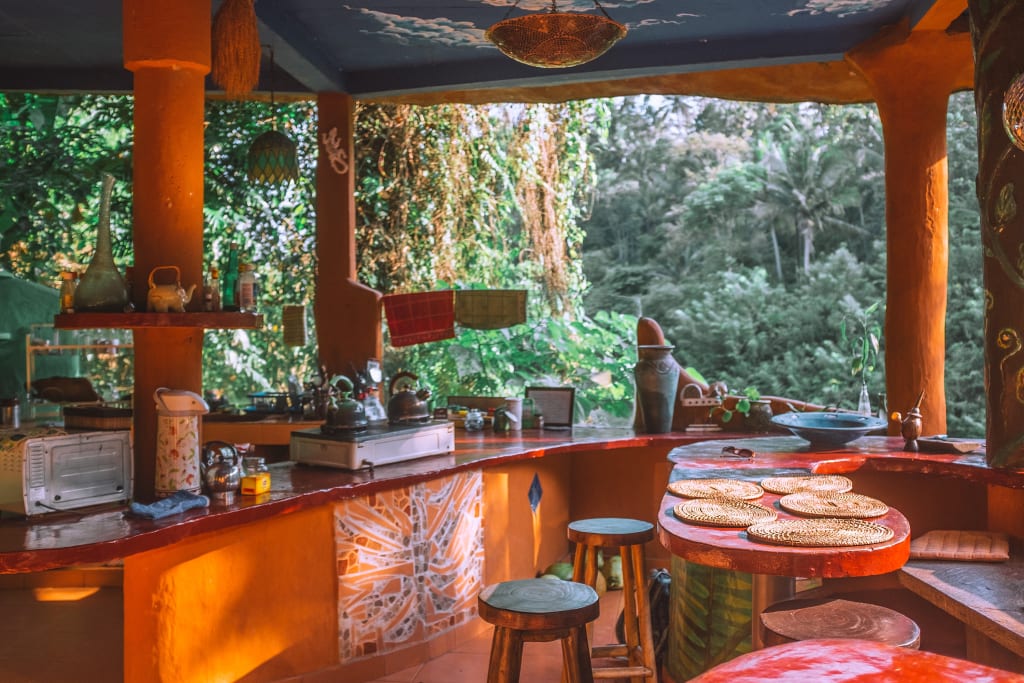
If you don't have a lot of space for a traditional garden, or if you live in an apartment or other small living space, container gardening can be a great way to grow a wide variety of edible plants. Container gardens can be set up on patios, balconies, or other small outdoor spaces, and can be a great way to grow your own fresh produce and herbs right in your own backyard.
Here are some tips for successful kitchen gardening in containers:
Choose the right containers:
• Yes, that's correct! Choosing the right containers is an important factor in successful kitchen gardening in containers. It is important to select containers that are large enough to accommodate the plants you want to grow, as plants that are too cramped in small containers may not grow well. In general, it is best to use containers that are at least 12 inches deep and 12 inches wide for most vegetables and herbs, and at least 18 inches deep and 18 inches wide for larger plants such as tomatoes or fruit trees.
• It is also important to choose containers with drainage holes to prevent excess water from accumulating and causing the plants to become waterlogged. Without proper drainage, the roots of the plants can rot, leading to poor growth or even death. Terra cotta pots, plastic pots, and wooden boxes are all good options for container gardening, each with their own unique benefits and drawbacks. Terra cotta pots are porous and allow excess water to evaporate, but they can also dry out quickly and may be prone to cracking in extreme temperatures. Plastic pots are lightweight and durable, but may not have the same aesthetic appeal as other materials. Wooden boxes can be attractive and long-lasting, but may require more frequent watering and may rot if not properly treated.
Use high-quality potting soil:
• It is important to use high-quality potting soil when gardening in containers, as this will provide the plants with the nutrients and drainage they need to thrive. Potting soil is specially formulated for container gardening and is designed to be lightweight and well-draining, which is important for plants that are grown in containers.
• Garden soil, on the other hand, is heavier and may not drain as well, which can lead to problems such as waterlogged roots and poor plant growth. In addition, garden soil may contain weed seeds and diseases that can be harmful to your container plants. It is generally best to avoid using garden soil in containers and opt for a high-quality potting soil instead.
• When selecting potting soil, look for a mix that is well-draining and contains a mix of ingredients such as peat moss, compost, and perlite or vermiculite. These ingredients help to improve the structure and fertility of the soil, while also providing good drainage. You can also consider adding compost or other organic matter to the potting soil to provide additional nutrients for the plants.
Choose the right plants:
Consider the size and growth habits of the plants you want to grow, and choose varieties that will fit well in your containers. Some good options for container gardening include tomatoes, peppers, lettuce, herbs, and small fruit trees.
• It is important to choose the right plants for your container garden, as different plants have different size and growth habits that may be more or less suited to container gardening. When selecting plants for your container garden, consider the size and growth habits of the plants you want to grow, and choose varieties that will fit well in your containers.
• Some good options for container gardening include tomatoes, peppers, lettuce, herbs, and small fruit trees. These plants are generally well-suited to container gardening and can be grown in containers that are at least 12 inches deep and 12 inches wide. Larger plants, such as tomatoes and fruit trees, will need larger containers that are at least 18 inches deep and 18 inches wide.
• It is also important to consider the specific growing conditions that each plant needs, such as the amount of sunlight, water, and nutrients they require. By choosing plants that are well-suited to your local climate and growing conditions, you can increase the chances of success for your container garden.
Choose the right location:
Place your container garden in a location that gets at least six hours of sunlight per day, as most edible plants require plenty of sun to grow well. Avoid placing the containers in areas that are prone to strong winds or heavy shade, as these conditions can be detrimental to plants.
• It's important to choose a location for your container garden that gets plenty of sunlight.
• Most edible plants require at least six hours of sunlight per day to grow well, and some may need even more.
• It's also important to avoid placing the containers in areas that are prone to strong winds, as this can damage the plants and make it more difficult for them to grow.
• Additionally, try to avoid placing the containers in heavy shade, as this can limit the amount of sunlight the plants receive and may lead to poor growth.
Consider using self-watering containers:
Self-watering containers have a built-in water reservoir that helps to keep the soil evenly moist and reduces the need for frequent watering. These containers can be a great option for people who are unable to water their plants on a regular basis.
• Self-watering containers can be a convenient and effective way to water your container garden. These containers have a built-in water reservoir that helps to keep the soil evenly moist and reduces the need for frequent watering.
• This can be especially helpful for people who are unable to water their plants on a regular basis, or for those who are growing plants in hot or dry conditions.
• To use a self-watering container, you will need to fill the reservoir with water and allow the soil to wick up the moisture as needed. Some self-watering containers also have a water level indicator that lets you know when it's time to refill the reservoir.
• Overall, self-watering containers can be a great way to help ensure that your plants receive the water they need to thrive.
In conclusion, kitchen gardening in containers can be a fun and rewarding way to grow your own herbs and vegetables, even if you have limited space. By choosing the right containers, using a high-quality soil mix, placing your containers in a sunny location, watering and fertilizing regularly, protecting your plants from pests, and harvesting frequently, you can enjoy a bountiful harvest of fresh, homegrown produce. With a little planning and effort, you can have a successful kitchen garden in containers and enjoy the benefits of fresh, flavorful herbs and vegetables all season long.
About the Creator
Keep reading
More stories from writers in Earth and other communities.
Trump Signs Order to Limit Wall Street Investors in Single-Family Housing
Former U.S. President Donald Trump has signed an executive order aimed at restricting Wall Street investors from buying large numbers of single-family homes. The move comes amid growing concerns over the affordability of housing for middle-class Americans and the increasing role of institutional investors in the residential real estate market.
By Aarif Lashariabout 22 hours ago in Earth
Cosseting the City or Keeping It in Check?
For decades, the City of London has been treated as the crown jewel of the British economy. Governments of all political colours have cosseted banks and financial institutions, convinced that a thriving financial sector is the key to faster economic growth, higher tax revenues, and global influence. The current chancellor is no exception, signalling a desire to keep City lenders comfortable in the hope they will fuel growth across UK plc.
By Aarif Lashari3 days ago in Earth
My New Book is Finally Here
My poetry collection Beautiful and Brutal Things is done. It's actually done and finally published over 270 pages. Over a year of my life went into this book. More than a year, really. Long days at my computer, sometimes seven days a week because I couldn't stop even when I probably should have. Then two months of editing that felt harder than the writing itself. But it's finished, and I'm still standing, and the book is real.
By Tim Carmichael5 days ago in BookClub




Comments
There are no comments for this story
Be the first to respond and start the conversation.