
Severe Rainfall Warning Issued: What You Need to Know Right Now
A severe rainfall warning has been issued. Learn what it means, how to stay safe, and practical steps to protect yourself and your loved ones.

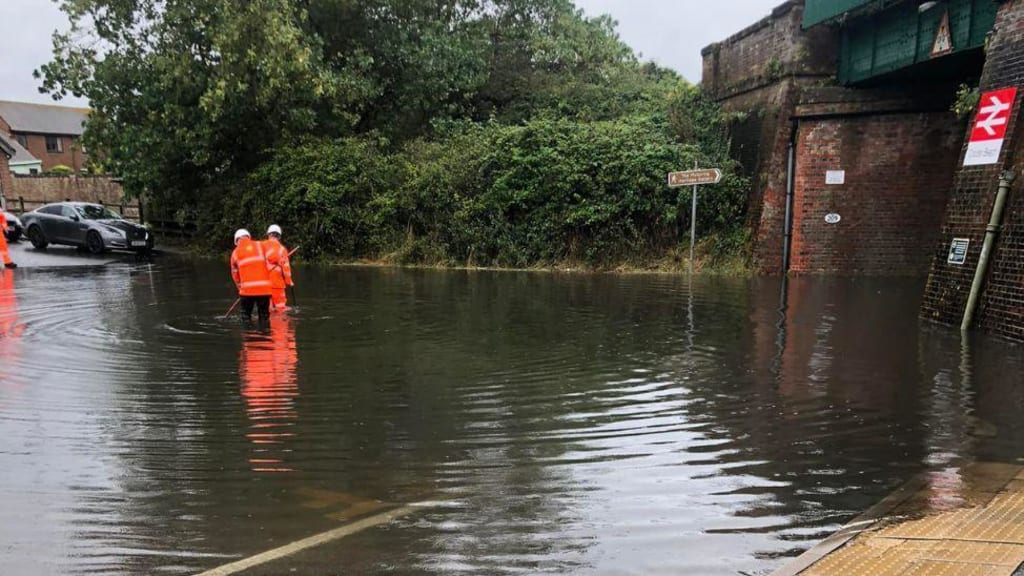
A sudden darkening of the sky can fill anyone with unease. The smell of rain on dry earth brings relief, but sometimes it signals danger. A severe rainfall warning has been issued, and it affects countless lives. Streets can flood, rivers can swell, and homes can face unexpected damage. Understanding what this warning means is crucial not just for staying safe, but for protecting loved ones and property.
This article will guide you through everything you need to know about severe rainfall warnings, practical steps to take, and how to respond calmly and effectively when heavy rain hits your area.
What Is a Severe Rainfall Warning?
A severe rainfall warning is more than just a weather alert. It indicates that rain is expected to fall at unusually high levels within a short period. This type of warning is issued by meteorological authorities when rain may cause flooding, landslides, or dangerous driving conditions.
Unlike normal rain, severe rainfall can overwhelm drainage systems, cause rivers to rise rapidly, and create hazardous situations in urban and rural areas alike. It is a call to prepare, stay informed, and avoid unnecessary travel.
Why Authorities Issue These Warnings?
Meteorologists monitor rainfall patterns, river levels, and weather systems. When conditions suggest that rain could reach dangerous levels, they issue a warning to protect lives. Ignoring such warnings can have serious consequences, from property damage to life-threatening situations.
Authorities want people to stay alert, monitor weather updates, and take preventive actions. Early response can significantly reduce risk.
Understanding the Risks of Severe Rainfall:
Severe rainfall brings several risks that are often underestimated. Being aware of these dangers can help you respond more effectively.
Flooding:
Flooding is the most immediate risk. Streets can become rivers, low-lying areas can get submerged, and homes may face water damage. Even shallow water on roads can sweep away vehicles, making driving extremely dangerous.
Landslides:
Heavy rain saturates soil on hills and mountains, increasing the risk of landslides. In regions with steep terrain, landslides can destroy roads, homes, and infrastructure, and pose life-threatening hazards.
Health Hazards:
Flooded areas can breed bacteria and mosquitoes, leading to infections and waterborne diseases. Contaminated water can make even small injuries dangerous if proper care is not taken.
Transportation Disruptions:
Severe rainfall can disrupt buses, trains, and flights. Roads can become impassable, bridges can close, and traffic accidents increase. Planning travel carefully and avoiding unnecessary trips is vital during such events.
How to Prepare for Severe Rainfall?
Preparation is the key to safety when a severe rainfall warning is issued. Simple, practical steps can protect you, your family, and your property.
Stay Informed:
Keep a close eye on weather updates from reliable sources. Use radio, TV, or official apps to monitor rainfall predictions. Being aware of changes in weather allows you to react quickly.
Secure Your Home:
Check drainage around your property. Clear gutters and ensure water can flow away from your house. If possible, move valuable items to higher ground or upper floors to prevent water damage.
Emergency Supplies:
Keep essentials ready, including clean drinking water, non-perishable food, first-aid kits, flashlights, batteries, and necessary medications. Having these supplies handy reduces panic during sudden flooding.
Plan Your Evacuation:
Know the safest routes in case evacuation becomes necessary. Identify nearby shelters and areas that are less likely to flood. Discuss a plan with your family so everyone knows what to do in an emergency.
Protect Vehicles:
If possible, park vehicles in higher areas. Driving through flooded streets is extremely dangerous, even if the water seems shallow.
Safety Tips During Heavy Rain:
When severe rainfall begins, remaining calm and cautious is essential. Following these tips can help you avoid accidents and injuries.
Avoid Flooded Areas:
Never walk or drive through flooded streets. Water depth is often deceptive, and swift currents can sweep you away. Avoid basements, low-lying areas, and places prone to water accumulation.
Stay Indoors:
If your area is heavily affected, stay indoors and away from windows. Flying debris and falling branches can cause injuries.
Monitor Local Alerts:
Authorities may issue evacuation notices, road closures, or emergency instructions. Following these advisories promptly can save lives.
Electrical Safety:
Water and electricity are a dangerous combination. Turn off electrical appliances if flooding occurs inside your home and avoid touching exposed wiring.
Help Vulnerable People:
Check on neighbors, elderly relatives, and anyone with mobility issues. Severe rainfall affects everyone differently, and collective awareness can prevent harm.
How Severe Rainfall Affects Different Areas?
The impact of heavy rainfall can vary widely depending on geography, infrastructure, and population density.
Urban Areas:
Cities with dense populations and poor drainage are especially vulnerable. Roads can flood quickly, traffic may grind to a halt, and homes can suffer water damage. Urban planning often struggles to keep up with extreme rainfall events.
Rural Areas:
Rural communities may face landslides, overflowing rivers, and destroyed crops. Roads may become inaccessible, making it difficult for emergency services to reach affected areas.
Coastal Regions:
Heavy rain combined with high tides can exacerbate flooding in coastal areas. Storm surges and waterlogged land increase the risk to homes and livelihoods.
The Emotional Impact of Severe Rainfall:
Beyond physical risks, severe rainfall can take an emotional toll. Experiencing flooding or losing personal belongings can cause anxiety, stress, and a feeling of helplessness.
It is natural to feel overwhelmed during such events. Staying connected with friends, family, and community networks can provide comfort. Sharing information and offering support to others strengthens collective resilience.
Learning from Past Rainfall Events:
History offers lessons about severe rainfall. Past events show how quickly rain can escalate into a crisis.
For example, floods in urban areas often occur when drainage systems are blocked or insufficient. Communities that had early warning systems and preparedness plans fared much better than those that did not.
Understanding these lessons can help you make smarter decisions during current and future rainfall events.
Practical Examples: Real-Life Preparations
Example 1: Protecting Your Home
A family living near a river noticed heavy rainfall forecasts. They moved furniture to higher floors, sealed low-level windows, and cleared debris from drains. When water levels rose, the house remained mostly unaffected, showing the value of proactive preparation.
Example 2: Evacuation Planning
In a hilly area, residents anticipated landslides during heavy rain. They created evacuation kits with essential items and identified safe routes to shelters. When the rainfall hit, the community evacuated safely, minimizing injuries and losses.
Example 3: Helping Neighbors
During a severe rainfall event in an urban neighborhood, a group of residents formed a communication network to check on elderly neighbors. They shared updates and assisted with minor flood defenses, demonstrating the power of local coordination.
What to Do After the Rain Stops?
Even after rainfall subsides, risks remain. Floodwaters may linger, roads can be damaged, and power outages may continue.
Assess Damage Carefully:
Inspect your home for damage, but avoid standing water. Take photos for insurance purposes.
Avoid Contaminated Water:
Flooded areas may carry bacteria or chemicals. Wear protective gear if you need to clean up.
Be Cautious with Roads:
Roads may be weakened or covered in debris. Drive slowly and watch for hazards.
Emotional Recovery:
Experiencing severe rainfall can be stressful. Talk to family or friends, and seek community support if needed. Emotional resilience is as important as physical safety.
Final Thoughts:
Severe rainfall warnings are not just routine updates they are vital alerts meant to protect lives. Understanding the risks, preparing effectively, and staying calm can make a real difference when heavy rain strikes.
By staying informed, taking practical precautions, and helping those around you, you can navigate severe rainfall events safely. Rain may be a natural part of life, but preparation and awareness give us the power to face it without fear.
About the Creator
Zeenat Chauhan
I’m Zeenat Chauhan, a passionate writer who believes in the power of words to inform, inspire, and connect. I love sharing daily informational stories that open doors to new ideas, perspectives, and knowledge.
Keep reading
More stories from Zeenat Chauhan and writers in Earth and other communities.
White Squirrels: Meaning, Symbolism, and Rare Sightings Explained
Every once in a while, nature surprises us with something so rare that it leaves us speechless. Imagine walking through a quiet park or a forest path when suddenly a small, bright figure darts across your view. It isn’t the ordinary gray or red squirrel most of us are used to seeing. Instead, it’s a white squirrel. For many, this moment feels magical like stepping into a storybook. White squirrels are rare, mysterious, and unforgettable.
By Zeenat Chauhan5 months ago in Earth
Mount Sinai, the World’s Oldest Monastery, and the Prophet’s Letter: Faith, History, and a Controversial Development Plan
At a sacred site revered by Muslims, Christians, and Jews alike, an ambitious modernization project has stirred debate after reports of graves being relocated—raising questions about heritage, memory, and the cost of progress.
By Irshad Abbasi 5 days ago in Earth


Comments
There are no comments for this story
Be the first to respond and start the conversation.