
Saudi Arabia and Yemen: A Conflict That Refuses to End
Airstrikes, Regional Tensions, and the Ongoing Human Cost of War


Saudi Arabia and Yemen: A Conflict That Refuses to End
The conflict between Saudi Arabia and Yemen is one of the longest and most complex wars in the Middle East. While the intensity of fighting has changed over time, reports of renewed airstrikes and military activity continue to raise concern across the region. Understanding what is happening requires separating confirmed facts from political claims and looking at the broader context of the war.
The Yemen conflict began in 2014, when the Houthi movement took control of Yemen’s capital, Sanaa, and forced the internationally recognized Yemeni government to flee. In 2015, Saudi Arabia, leading a coalition of regional allies, launched a military intervention. Saudi Arabia said the goal was to restore Yemen’s recognized government and stop Iranian influence through the Houthis.
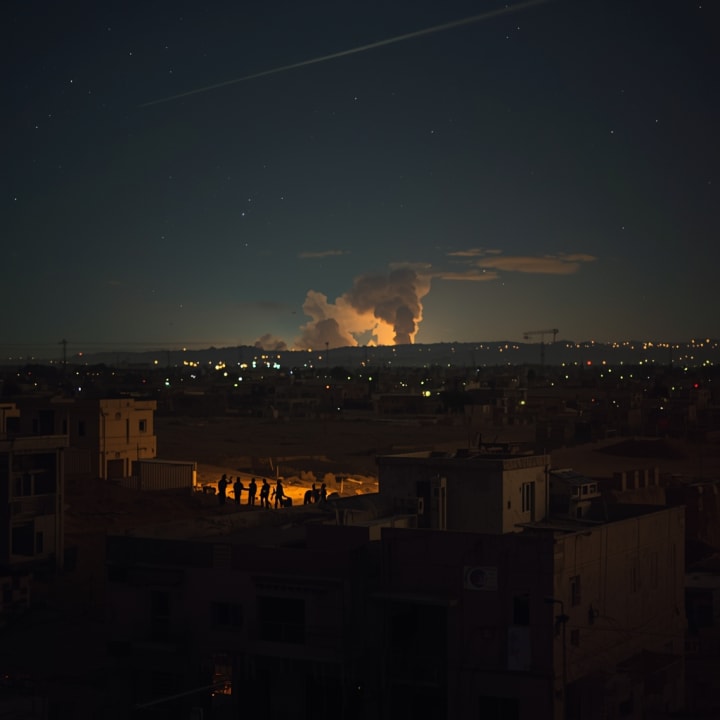
Since then, Yemen has become the site of a devastating war involving airstrikes, ground fighting, blockades, and proxy regional rivalry. Saudi Arabia has carried out thousands of airstrikes over the years, targeting what it says are military positions, weapons depots, and command centers. However, human rights organizations have repeatedly reported that many strikes hit civilian areas, including homes, markets, hospitals, and schools.
In recent months, although there have been ceasefire talks and periods of reduced fighting, tensions have not disappeared. Reports of Saudi-led air operations against Houthi positions continue to surface, especially when cross-border attacks or threats are reported. Saudi Arabia states that its actions are defensive and aimed at protecting its cities, oil facilities, and borders from missile and drone attacks launched from Yemen.
The Houthis, who control much of northern Yemen, have repeatedly launched missiles and drones toward Saudi Arabia in the past. Some were intercepted, while others caused damage. Saudi officials argue that these attacks justify continued military readiness and occasional strikes inside Yemen. The Houthis, on the other hand, say Saudi airstrikes are aggression and accuse the kingdom of worsening Yemen’s suffering.
The humanitarian cost of this conflict is enormous. Yemen is widely described as facing one of the world’s worst humanitarian crises. Millions of people lack access to clean water, food, and healthcare. Malnutrition among children remains alarmingly high. Years of airstrikes and blockades have damaged infrastructure, making daily life extremely difficult for ordinary Yemenis.
International organizations have repeatedly called on all sides to protect civilians and follow international law. The United Nations has pushed for peace talks and negotiated pauses in fighting. In 2022 and 2023, temporary ceasefires raised hope that the war might finally move toward an end. Saudi Arabia also signaled interest in reducing its direct military role and finding a political solution.
However, peace remains fragile. The conflict is deeply tied to regional politics, especially tensions between Saudi Arabia and Iran. While Iran denies direct control over the Houthis, it is widely believed to provide political and military support. This makes Yemen not just a local war, but part of a broader struggle for influence in the Middle East.
Recent reports of Saudi strikes on Yemeni territory often appear during moments of rising regional tension, including conflicts involving Gaza, the Red Sea shipping routes, and wider Middle East instability. Each new strike risks escalating the situation and pulling the region back into wider confrontation.
For many observers, the most tragic aspect is that Yemen’s civilians continue to pay the highest price. Families who have lived through years of bombing and shortages see little difference between “low-intensity conflict” and full-scale war. Even when fighting slows, the damage already done takes years to repair.
The international community faces a difficult challenge. On one hand, Saudi Arabia is seen as a key regional power and strategic partner for many countries. On the other, the humanitarian impact of the war has drawn global criticism. Balancing security concerns with human rights responsibilities remains a major test for global diplomacy.
The situation in Yemen shows how modern conflicts rarely end quickly. Even when major fighting slows, unresolved political disputes, economic collapse, and regional rivalries keep tensions alive. Without a lasting political agreement that includes all major Yemeni groups, the risk of renewed violence remains high.
Ultimately, the story of Saudi Arabia and Yemen is not just about airstrikes or military power. It is about people caught between politics and war, and a region still searching for stability. Whether future headlines bring peace or more conflict will depend on choices made far beyond Yemen’s borders.
About the Creator
Wings of Time
I'm Wings of Time—a storyteller from Swat, Pakistan. I write immersive, researched tales of war, aviation, and history that bring the past roaring back to life
Keep reading
More stories from Wings of Time and writers in Earth and other communities.
Tensions Rise: USA, Israel, and Iran — What We Know”
Tensions Rise: USA, Israel, and Iran — What We Know” In the last few days, world attention turned to a high-profile meeting between U.S. President Donald Trump and Israeli Prime Minister Benjamin Netanyahu at Trump’s Mar-a-Lago residence in Florida. The leaders met to discuss a range of issues, but a major focus was Iran — its ballistic missile program and its nuclear developments.
By Wings of Time 2 months ago in Earth
Hemp as a sustainable material
The ecological properties of hemp makes it one of the types of insulation used in construction with the lowest carbon emissions footprint. In the future, hemp could play a paramount role in the race towards reducing the global carbon emissions footprint to fight climate change, and a more sustainable construction industry.
By Susan Fourtané 2 days ago in Earth
A System That Isn’t Working Challenge Winners
Systems promise order. They organize behavior, distribute opportunity, and suggest that if everyone follows the rules, things will work. The entries in A System That Isn’t Working look closely at what happens when that promise begins to slip.
By Vocal Curation Team4 days ago in Resources



Comments
There are no comments for this story
Be the first to respond and start the conversation.