
Roaring to Survive: The Secret Life of Lions
Lions are one of the most iconic animals in the world, revered for their raw power and majestic presence.
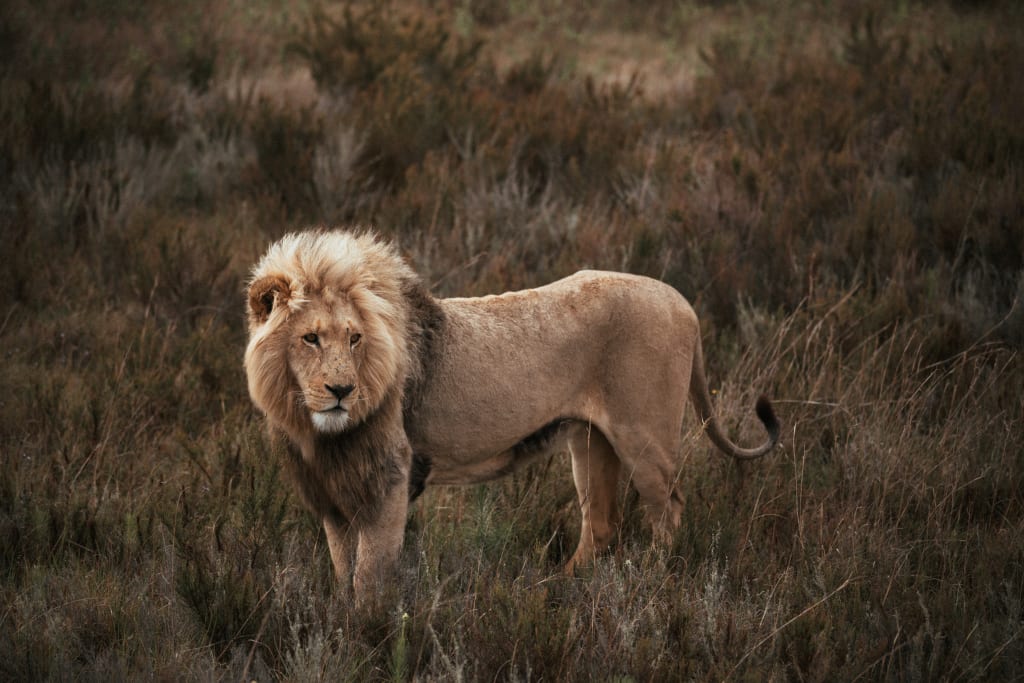
Lions are one of the most iconic animals in the world, revered for their raw power and majestic presence. But beyond their physical appearance, lions are also fascinating creatures with complex social structures and behavior patterns. In this article, we will explore the secret life of lions and how they have adapted to survive in their harsh environments.
First and foremost, lions are social animals that live in prides, typically consisting of a few males, several females, and their cubs. The male lions are responsible for protecting the pride and its territory, while the females are responsible for hunting and caring for the young. The pride is usually led by a dominant male, but there may be more than one male if they are related.
Lions are known as the kings of the jungle, but there is much more to these majestic creatures than just their title. Lions are apex predators, meaning they are at the top of the food chain, and they are essential to the balance of their ecosystem. Roaming the savannas of Africa, these big cats live in prides, which are made up of females, their cubs, and a few males. In this article, we will explore the secret life of lions and how they survive in the wild.
Firstly, let's talk about their diet. Lions are carnivores, and they mainly feed on large mammals such as antelopes, zebras, and buffalo. They have powerful jaws and sharp teeth that allow them to take down prey much larger than themselves. Their hunting strategy is simple yet effective - they rely on teamwork and coordination to stalk and ambush their prey. Once they have identified their target, they use their powerful legs to chase it down and deliver a fatal bite to the neck or throat.
However, hunting can be dangerous, and lions don't always succeed in catching their prey. This is where scavenging comes in. Lions are opportunistic feeders and will not hesitate to scavenge on the kills of other predators such as hyenas and wild dogs. They are also known to steal kills from cheetahs and leopards, who are not as powerful as lions and can't defend their prey against them.
One of the most interesting things about lion behavior is their hunting tactics. Unlike many other predators, lions hunt in groups, using their numbers and teamwork to take down large prey. They are also known for their incredible speed and agility, which allows them to catch their prey even in open spaces. Lions are also opportunistic hunters, meaning they will take advantage of any opportunity to catch food, whether it be a small animal or a larger one.
Another fascinating aspect of lion behavior is their communication. Lions have a wide range of vocalizations, including roars, grunts, and growls, which they use to communicate with each other. Roars, in particular, are used to establish territory and attract mates. Male lions will often roar to announce their presence to other males and to let females know they are ready to mate.
Despite their fearsome reputation, lions are also vulnerable to threats from other animals and humans. Habitat loss, poaching, and human-wildlife conflict are all major threats to lion populations. In fact, lions are currently listed as a vulnerable species by the International Union for Conservation of Nature (IUCN), with an estimated population decline of 43% over the past 21 years.
However, there are also efforts being made to conserve lion populations and protect their habitats. Conservation organizations are working to establish protected areas and reduce human-wildlife conflict through education and community engagement. Additionally, sustainable tourism can also provide economic benefits for local communities while promoting conservation efforts.
In conclusion, lions are truly fascinating creatures with complex social structures and behavior patterns. Their ability to adapt and survive in their harsh environments is a testament to their resilience and strength. While they face numerous threats, there is hope for their conservation through increased awareness and efforts to protect their habitats. By working together, we can ensure that these majestic animals continue to roar for generations to come.
About the Creator
Ayaanahamed
Blogs Writer......
Keep reading
More stories from Ayaanahamed and writers in Earth and other communities.
The King of the Jungle.
Lions are one of the most iconic animals in the world and have long been known as the King of the Jungle. These majestic creatures are the second-largest cats in the world, after tigers. They are known for their beautiful manes and fierce hunting skills, making them a popular subject for wildlife documentaries and films.
By Ayaanahamed3 years ago in Earth
From Seal Meat to Ice Sheets: A Century of Reporting From Antarctica
Antarctica—the frozen southernmost continent—has long fascinated scientists, explorers, and journalists alike. From the earliest expeditions in the late 19th and early 20th centuries to modern climate research missions, journalists have chronicled Antarctica’s extremes, documenting both its human stories and its environmental mysteries. Over the past century, reporting from this remote and forbidding landscape has evolved dramatically, reflecting changing societal interests, technological advances, and growing concerns about climate change.
By Muhammad Hassanabout 23 hours ago in Earth
EU Parliament Blocks US Trade Deal After Trump’s Tariff Threat
The European Parliament has moved decisively to block progress on a proposed trade deal with the United States after former U.S. President Donald Trump renewed threats of imposing tariffs on European goods. The decision underscores growing tensions between Washington and Brussels and highlights how trade negotiations can quickly unravel when political pressure and protectionist rhetoric re-enter the spotlight.
By Aarif Lashariabout 4 hours ago in Earth
Affection and Healing for Yourself
During the night of the last quarter moon, I gathered my ritual supplies. I carefully handled the chunk of black tourmaline that would protect me from your overall negative and narcissistic energy. I carefully walked the house with my stick of selenite in hand, asking the universe to cleanse our working space.
By Alisha Wilkins ✒️🦋🖋️3 days ago in Fiction


Comments
There are no comments for this story
Be the first to respond and start the conversation.