
Hydrological cycle (evaporation, precipitation)
The Hydrological Cycle: Understanding Evaporation and Precipitation

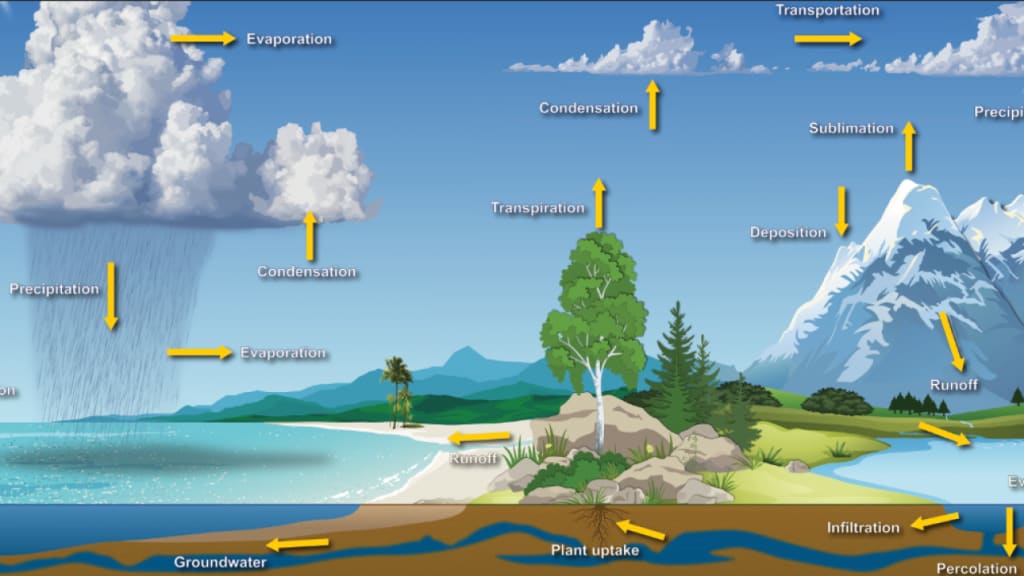
The hydrological cycle, also known as the water cycle, is a continuous process by which water circulates through the Earth's atmosphere, surface, and underground reservoirs. This cycle is essential for maintaining ecological balance and supporting life on our planet. The two most significant processes in this cycle are evaporation and precipitation, which facilitate the movement of water between different states and locations. This article explores the fundamental aspects of the hydrological cycle, emphasizing evaporation and precipitation and their roles in sustaining the global water balance.
1. The Hydrological Cycle: An Overview
The hydrological cycle describes how water moves through various phases—liquid, vapor, and solid—across different parts of the Earth. It is driven primarily by solar energy, which fuels evaporation and transpiration, and by gravity, which influences precipitation and runoff. The major components of the hydrological cycle include:
Evaporation – The transformation of water from liquid to vapor.
Condensation – The process of water vapor cooling and turning into liquid droplets.
Precipitation – The release of water from clouds in the form of rain, snow, sleet, or hail.
Runoff and Infiltration – The movement of water on and below the surface.
Storage – Water storage in oceans, glaciers, lakes, and groundwater reservoirs.
Among these processes, evaporation and precipitation play a pivotal role in regulating the availability of freshwater resources.
2. Evaporation: The First Step in the Cycle
Evaporation is the process by which liquid water transforms into water vapor due to heat from the sun. This phase is crucial as it initiates the movement of water into the atmosphere. The rate of evaporation depends on several factors:
Temperature: Higher temperatures increase the kinetic energy of water molecules, accelerating evaporation.
Humidity: Lower humidity levels enhance evaporation, while high humidity slows it down.
Wind Speed: Increased air movement removes water vapor from the surface, allowing more evaporation to occur.
Surface Area: Larger water bodies with greater surface areas evaporate more water.
The primary sources of evaporation include:
Oceans and Seas: These vast bodies of water contribute the most significant amount of atmospheric moisture.
Lakes and Rivers: Freshwater bodies also play a role in evaporation.
Soil and Vegetation (Transpiration): Plants absorb groundwater and release moisture into the atmosphere through transpiration, a process linked to evaporation.
Together, evaporation and transpiration are known as evapotranspiration, accounting for a large proportion of water movement from land to the atmosphere.
3. Condensation and Cloud Formation
Once water vapor rises into the atmosphere, it cools and condenses into tiny droplets, forming clouds. This occurs when air reaches its dew point—the temperature at which air becomes saturated with moisture. These water droplets cluster around microscopic particles such as dust, salt, or pollutants, forming cloud nuclei.
Cloud formation plays a vital role in regulating temperature and distributing water across different regions. Depending on atmospheric conditions, clouds can develop into storm systems, leading to precipitation.
4. Precipitation: Returning Water to Earth
Precipitation occurs when condensed water droplets in clouds become too heavy to remain airborne and fall to the Earth's surface. The form of precipitation depends on temperature and atmospheric conditions, resulting in:
Rain: The most common type of precipitation, occurring when droplets merge and fall as liquid water.
Snow: Frozen precipitation that forms when temperatures are below freezing.
Sleet and Freezing Rain: Small ice pellets or liquid rain that freezes upon contact with cold surfaces.
Hail: Ice chunks formed in thunderstorms due to strong updrafts.
Precipitation is essential for replenishing freshwater sources, sustaining ecosystems, and supporting agriculture. It also plays a role in shaping landscapes through erosion and deposition.
5. Runoff, Infiltration, and Storage
Once precipitation reaches the Earth's surface, it follows different pathways:
Runoff: Water flows over the surface into rivers, lakes, and oceans, eventually returning to the atmosphere through evaporation.
Infiltration: Water seeps into the ground, replenishing groundwater reservoirs.
Storage: Some water is stored in glaciers, ice caps, and underground aquifers, which serve as long-term freshwater reserves.
6. Human Impact on the Hydrological Cycle
Human activities have significantly altered the hydrological cycle through urbanization, deforestation, and climate change. Some key impacts include:
Deforestation: Reduces transpiration, affecting local humidity levels and precipitation patterns.
Urbanization: Increases surface runoff and reduces infiltration due to impermeable surfaces like concrete and asphalt.
Climate Change: Alters evaporation rates and precipitation patterns, leading to extreme weather events like droughts and floods.
IN THE END
The hydrological cycle is a vital natural process that regulates Earth's water supply and sustains life. Evaporation and precipitation are two key mechanisms that drive this cycle, ensuring a continuous exchange of water between the atmosphere, land, and oceans. Understanding this cycle helps in water resource management, climate prediction, and environmental conservation. However, human activities are increasingly affecting this delicate balance, necessitating responsible water use and conservation efforts to maintain the planet’s ecological stability.
By preserving forests, managing water resources efficiently, and reducing carbon emissions, we can protect the natural hydrological cycle and ensure a sustainable future for generations to come.
About the Creator
Badhan Sen
Myself Badhan, I am a professional writer.I like to share some stories with my friends.
Keep reading
More stories from Badhan Sen and writers in Earth and other communities.
Groundwater depletion
Groundwater is stored beneath the Earth's surface in aquifers—permeable rock layers that hold water. However, excessive extraction of groundwater beyond its natural replenishment rate leads to groundwater depletion, posing a serious threat to water availability, ecosystems, and human livelihoods. This article explores the causes, consequences, and possible solutions to the growing issue of groundwater depletion.
By Badhan Senabout a year ago in Earth
San Francisco Shaken Today: Inside the Earthquake That Alarmed the Bay Area
**San Francisco Shaken Today: Inside the Earthquake That Alarmed the Bay Area** San Francisco experienced noticeable seismic activity today, reminding residents once again that the city sits on one of the most active earthquake zones in the world. The shaking was felt across multiple neighborhoods and nearby cities, prompting widespread discussion, concern, and a surge in online searches about what exactly happened, how serious it was, and what it could mean for the future. While earthquakes are not unusual in this region, each new tremor raises important questions about safety, preparedness, and long-term risk.
By America today 6 days ago in Earth
Milano Cortina 2026: When Winter Sports Meet History, Innovation, and the Italian Soul
The 2026 Winter Olympics, officially known as Milano Cortina 2026, are set to redefine what a modern Olympic Games can look like. Scheduled to take place from February 6 to February 22, 2026, these Games will bring the world’s top winter athletes to Italy, blending elite competition with centuries of culture, alpine beauty, and forward-thinking sustainability.
By Story Prism4 days ago in Earth



Comments (1)
Awesome work