
Researchers Uncover Unique Mechanism of Pain in Ant Stings
Venomous Toxins in Ants' Neurotoxins Target Nerves in Unprecedented Way, Advancing Pain Study and Treatment
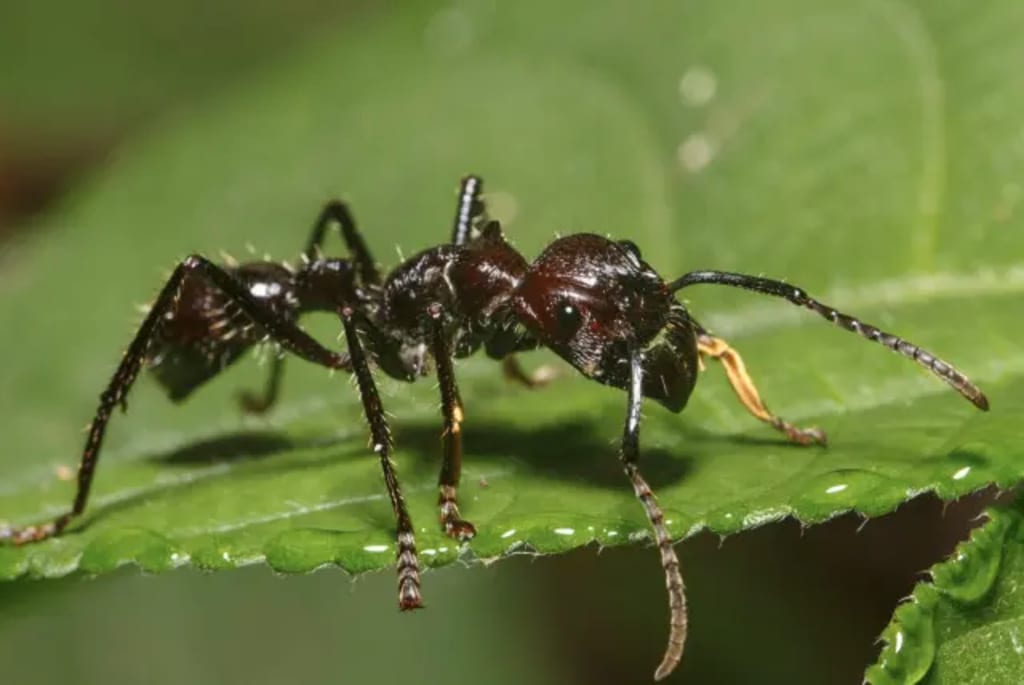
Scientists at the University of Queensland have made a significant breakthrough in understanding the excruciating pain caused by certain ant stings. Their research focuses on the venom of two ant species: the Australian green ant and the South American bullet ant. These ants possess stings that induce severe and prolonged pain, distinct from the typical pain associated with bee stings. By investigating the venom's effects on sensory neurons, the researchers discovered that ant toxins uniquely target sodium channels, resulting in a more intense and enduring pain signal. This groundbreaking finding sheds light on the intricate mechanisms underlying pain perception and offers potential avenues for pain management.
Ant Stings: A Neglected Area of Research:
Despite the prevalence of venomous ants and their painful stings, there has been a paucity of scientific inquiry into the mechanisms underlying ant-induced pain. The diminutive size of ants has presented challenges in collecting and analyzing their venom, impeding comprehensive investigations into the subject. However, researchers from the University of Queensland have now undertaken an in-depth study involving the Australian green ant and the South American bullet ant, renowned for their notoriously painful stings.
The Australian Green Ant and the Bullet Ant: Masters of Pain:
The green ant, also known as the greenhead ant, is found across Australia, including urban and suburban areas. Typically unnoticed until someone is stung, its venom induces a rapid and intense burning sensation. On the other hand, bullet ants inhabit the humid lowland rainforests of Central and South America. Named for the pain likened to being shot, a bullet ant sting causes excruciating pain, severe muscle contractions, and a burning sensation. Renowned entomologist Dr. Justin Schmidt, who developed a pain index for stinging insects, ranked the bullet ant sting as the most agonizing among all insect stings.
Unraveling the Mystery of Ant Venom's Effects:
To unravel the mechanisms behind the pain caused by ant stings, the researchers focused on the venom's impact on sensory neurons. By subjecting the venom to extensive testing and analysis on mice's sensory neurons, they made a fascinating discovery. The toxins within ant venom specifically target sodium channels within these neurons.
Unprecedented Targeting of Sodium Channels:
Typically, sodium channels in sensory neurons open briefly in response to stimuli. However, the research team found that ant toxins bind to these channels, facilitating easier and prolonged channel opening. Consequently, the pain signal persists for a more extended period. Importantly, the study revealed that the ants' peptide toxins have a distinctive structure and mechanism of action that differentiates them from other toxins affecting sodium channels.
New Opportunities for Pain Research and Treatment:
The identification of ant venoms' unique targeting of sodium channels opens up new possibilities for understanding pain at a molecular level. The researchers highlight the importance of toxins as valuable tools in studying pain perception. With this groundbreaking insight, scientists can further explore pain mechanisms and potentially develop innovative approaches for pain management.
Now, scientists have discovered that the venom of bullet ants and some other ants contain a neurotoxin that interacts with the nerve cells of the victim to prolong and intensify pain. The research was published in an article in the journal Nature Communications last month.
Conclusion
The recent research conducted by the University of Queensland on the venom of the Australian green ant and the bullet ant has shed light on the unprecedented mechanisms through which ant toxins target sensory neurons' sodium channels. These findings contribute significantly to the understanding of pain perception and pave the way for future advancements in pain treatment. By elucidating the distinctive effects of ant venom, scientists are armed with new tools and knowledge to unravel the mysteries of pain at a molecular level.
About the Creator
Keep reading
More stories from Saмιм Nαωαz and writers in Earth and other communities.
Addressing the Obesity Epidemic: Draining the Food Swamps
Introduction: The alarming rise in obesity rates worldwide has surpassed the number of people suffering from starvation. This article explores the factors contributing to obesity, emphasizing the role of easy access to high-caloric foods and the impact of stressful situations on overconsumption. It advocates for a systemic approach to combat obesity and highlights the need for national-level changes and community efforts. By creating healthier food environments and promoting awareness, we can tackle the obesity pandemic and pave the way for a healthier future.
By Saмιм Nαωαz3 years ago in Lifehack
Southeast Asia on Alert After Nipah Virus Cases Detected in India
Authorities in Singapore, Thailand, and Malaysia have moved swiftly to implement precautionary measures after two confirmed cases of the Nipah virus were reported in India, raising concerns about the potential regional spread of one of the world’s deadliest zoonotic diseases. While health officials stress that there is currently no cause for panic, the response highlights lingering anxieties across Asia following the COVID-19 pandemic.
By Aarif Lashari4 days ago in Earth
UK-China Relationship in a ‘Good, Strong Place,’ Starmer Says After ‘Productive’ Talks With Xi
The United Kingdom’s relationship with China is in a “good, strong place,” Prime Minister Keir Starmer has said, following what he described as productive talks with Chinese President Xi Jinping. The comments signal a potential recalibration of UK-China relations after years marked by tension, mistrust, and strategic caution.
By Aarif Lashari4 days ago in Earth



Comments
There are no comments for this story
Be the first to respond and start the conversation.