
Southeast Asia on Alert After Nipah Virus Cases Detected in India
What You Need to Know as Singapore, Thailand, and Malaysia Step Up Precautions
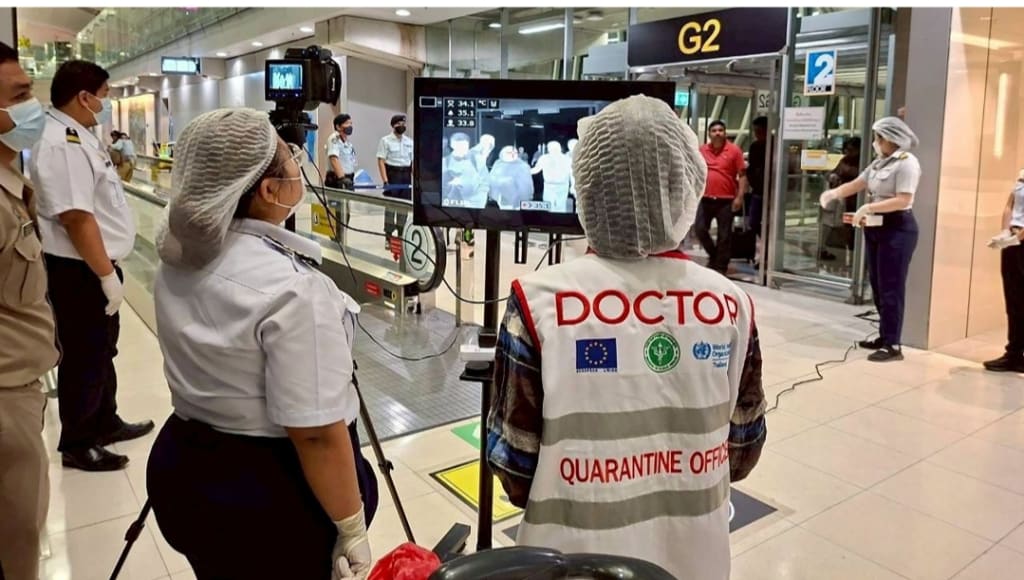
Authorities in Singapore, Thailand, and Malaysia have moved swiftly to implement precautionary measures after two confirmed cases of the Nipah virus were reported in India, raising concerns about the potential regional spread of one of the world’s deadliest zoonotic diseases. While health officials stress that there is currently no cause for panic, the response highlights lingering anxieties across Asia following the COVID-19 pandemic.
The Nipah virus, though rare, carries a high fatality rate and has no approved vaccine, making early detection and prevention critical. Here’s what you need to know about the virus, the current situation, and what the precautions mean for travelers and the general public.
What Is the Nipah Virus?
The Nipah virus (NiV) is a zoonotic virus, meaning it can be transmitted from animals to humans. It was first identified in 1999 during an outbreak among pig farmers in Malaysia and Singapore. Since then, sporadic outbreaks have occurred in South and Southeast Asia, most notably in India and Bangladesh.
Key characteristics of Nipah virus include:
A fatality rate ranging from 40% to 75%
Transmission through contaminated food, infected animals, or human-to-human contact
Severe symptoms such as encephalitis (brain inflammation) and respiratory illness
Because of its severity and lack of specific treatment, Nipah is classified by the World Health Organization as a priority pathogen.
What Happened in India?
Indian health authorities recently confirmed two cases of Nipah virus, prompting immediate containment efforts. Local governments activated contact tracing, isolation protocols, and public health advisories to limit further transmission.
India has experienced Nipah outbreaks before, particularly in the southern state of Kerala, where health systems have developed experience in handling such cases. Officials emphasized that rapid detection and isolation helped prevent wider spread in previous outbreaks, and similar measures are now in place.
So far, there is no evidence of widespread transmission linked to the latest cases.
Why Southeast Asia Is Taking Precautions
Singapore, Thailand, and Malaysia acted quickly due to their geographic proximity, high levels of regional travel, and past experience with Nipah and other infectious diseases.
Authorities in these countries have implemented measures such as:
Enhanced health screenings at airports and border checkpoints
Advisories for travelers arriving from affected regions
Increased surveillance at hospitals and clinics
Officials stress these steps are preventive, not a response to detected cases within their borders.
Travel and Airport Screenings Explained
One of the most visible responses has been increased health monitoring at international airports. Travelers arriving from India may be asked to report symptoms, provide travel history, or undergo temperature checks.
Health ministries have clarified that:
Travel bans are not currently in place
Flights continue to operate normally
Screenings are designed to detect symptoms early
These measures reflect lessons learned from COVID-19, where delays in screening contributed to rapid global spread.
How Does Nipah Virus Spread?
Understanding transmission is key to assessing risk. Nipah virus can spread through:
Direct contact with infected animals, particularly fruit bats
Consumption of contaminated food, such as raw date palm sap
Close contact with infected people, including caregivers
Unlike COVID-19, Nipah does not spread easily through casual contact, which significantly limits outbreak potential when proper precautions are followed.
Symptoms to Watch For
Health authorities across Asia have advised medical professionals and the public to remain vigilant for symptoms, which can appear 5 to 14 days after exposure.
Common symptoms include:
Fever and headache
Drowsiness or confusion
Respiratory distress
Seizures in severe cases
Anyone experiencing symptoms after recent travel to affected areas is urged to seek medical attention promptly.
Is There a Treatment or Vaccine?
Currently, there is no approved vaccine or specific antiviral treatment for Nipah virus. Care focuses on supportive treatment, including managing symptoms and complications.
Several experimental vaccines are under development, but none are available for public use. This lack of treatment is a major reason why governments take even small outbreaks seriously.
Public Health Officials Urge Calm
Despite heightened alerts, officials across Southeast Asia emphasize that the risk to the general public remains low. Strong surveillance systems, rapid information sharing, and improved outbreak management capabilities significantly reduce the likelihood of uncontrolled spread.
Experts note that awareness and early response are signs of preparedness, not cause for alarm. The goal is to prevent escalation, not to signal an imminent crisis.
Lessons Learned From Past Pandemics
The response to the Nipah cases reflects a broader shift in how governments handle emerging infectious diseases. COVID-19 exposed weaknesses in early detection and international coordination, prompting countries to act faster and more transparently.
This time, authorities are prioritizing:
Early communication
Regional cooperation
Proactive containment
These steps may help prevent isolated cases from becoming regional emergencies.
Conclusion: Vigilance Without Panic
The detection of Nipah virus cases in India has understandably drawn attention across Asia, but swift precautionary measures by Singapore, Thailand, and Malaysia demonstrate a region better prepared to manage health threats.
While Nipah remains a serious virus, experts agree that informed vigilance, not fear, is the appropriate response. For now, health authorities continue to monitor the situation closely, urging the public to stay informed and follow official guidance.
About the Creator
Keep reading
More stories from Aarif Lashari and writers in Earth and other communities.
UK-China Relationship in a ‘Good, Strong Place,’ Starmer Says After ‘Productive’ Talks With Xi
The United Kingdom’s relationship with China is in a “good, strong place,” Prime Minister Keir Starmer has said, following what he described as productive talks with Chinese President Xi Jinping. The comments signal a potential recalibration of UK-China relations after years marked by tension, mistrust, and strategic caution.
By Aarif Lashariabout 6 hours ago in Earth
From Supermarket to Splendor: AI Revives Discount Rack Plants
We’ve all seen them: the lonely foliage on the clearance rack, marked down for a few drooping leaves or a less-than-perfect appearance. Bringing home a discounted plant can feel like a rescue mission—a chance to give a living thing a second life. But that initial hope often fades into uncertainty. What’s wrong with it? Is it thirsty, drowned, or sick? Traditional guesswork can lead to more stress for both you and the plant.
By Emma Wallace4 days ago in Earth
One Hard Thing
Stop me if you’ve heard this one before: You have the number, you know your schedule- you’ve even picked out the perfect day and time to make this appointment. Shoot, you’ve even picked out alternative days and times just in case their schedules can’t accommodate you!
By Taylor Rigsby4 days ago in Motivation



Comments
There are no comments for this story
Be the first to respond and start the conversation.