
Renewable energy (solar, wind, hydro)
Renewable energy refers to energy derived from natural resources that are replenished over time, such as sunlight, wind, and water.

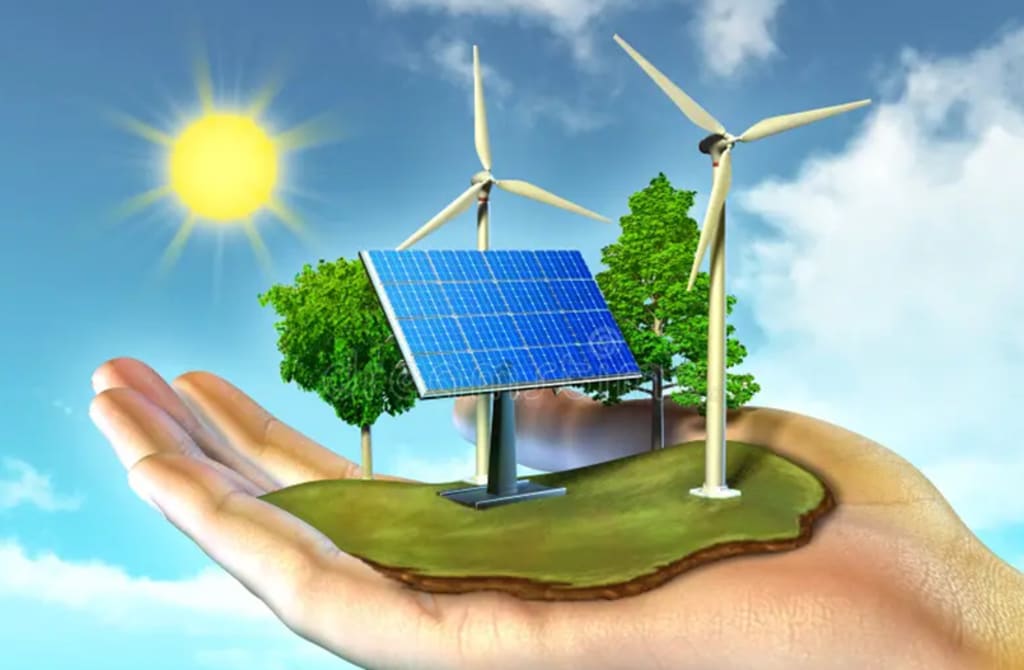
Fossil fuels, which take millions of years to form and emit harmful greenhouse gases when burned, renewable sources of energy offer sustainable alternatives that can be used without depleting the earth’s resources. Solar, wind, and hydroelectric power are among the most common and widely deployed forms of renewable energy. These sources not only help reduce carbon emissions but also foster energy security and promote sustainable economic development. In this article, we will delve into these three major types of renewable energy.
Solar Energy
Solar energy harnesses the power of the sun to generate electricity or heat. Solar panels, typically made of silicon, capture sunlight and convert it into electrical energy through photovoltaic (PV) cells. Solar power is one of the most promising and rapidly growing sources of renewable energy because it can be harnessed in a wide variety of environments. Whether installed on rooftops, in vast solar farms, or even on small devices, solar panels can generate electricity without polluting the environment.
The key advantage of solar energy is its abundance. Sunlight is available almost everywhere on Earth, making solar power a universally accessible resource. Moreover, technological advancements have significantly reduced the cost of solar panels over the past decade, making solar energy more affordable for both residential and commercial applications. However, one challenge that solar energy faces is its intermittency. Since solar power generation depends on the sun's availability, it cannot produce energy during the night or on cloudy days. This limitation can be mitigated by coupling solar installations with energy storage systems, such as batteries, to store excess energy for later use.
Wind Energy
Wind energy has been harnessed for thousands of years, dating back to the use of windmills for grinding grain. Today, large wind turbines are used to generate electricity on a much larger scale. Wind energy is one of the cleanest and most effective renewable energy sources available. It works by converting the kinetic energy of the wind into mechanical energy through a turbine, which is then transformed into electricity.
Wind power is highly efficient, particularly in regions with strong and consistent wind patterns. Wind farms can be located both onshore (land-based) and offshore (in bodies of water). Offshore wind farms, in particular, take advantage of stronger and more consistent winds over the ocean, which can significantly increase energy production. The growth of wind energy has been impressive, with wind turbines now accounting for a significant share of the global electricity generation mix.
One of the main challenges with wind energy is its variability. Wind speeds can fluctuate, meaning wind turbines do not produce electricity at a constant rate. However, advancements in forecasting technologies and grid integration are improving the ability to manage this variability. Additionally, some regions face challenges related to land use, as wind farms require large areas of land, which may conflict with other land-use priorities.
Hydroelectric Energy
Hydroelectric power is the most established and largest source of renewable energy globally. It generates electricity by harnessing the gravitational potential energy of water. In a hydroelectric plant, water is stored in a reservoir and released through turbines, which convert the energy from the flowing water into electricity.
There are two main types of hydroelectric plants: conventional (large-scale) and run-of-river (small-scale). Conventional hydroelectric plants usually involve large dams and reservoirs, while run-of-river systems divert a portion of a river's flow without the need for a reservoir. Hydroelectric energy is highly reliable and can provide base-load power, meaning it can operate continuously, as long as water flows are consistent.
One of the major benefits of hydroelectric energy is its ability to provide large amounts of energy. Large hydroelectric plants are capable of generating significant electricity for entire cities or even regions. Moreover, hydroelectric plants can be adjusted quickly to meet fluctuations in electricity demand, making them a valuable tool for balancing the grid.
However, hydroelectric energy is not without its environmental concerns. The construction of large dams can have significant ecological and social impacts, including disrupting local ecosystems, displacing communities, and altering river systems. In some cases, fish populations may be affected, and water quality can deteriorate. As a result, there is growing interest in more sustainable forms of hydroelectric power, such as small-scale, low-impact projects.
IN THE END
Solar, wind, and hydroelectric power are all key pillars of renewable energy. They provide a cleaner, more sustainable alternative to fossil fuels, with the potential to drastically reduce carbon emissions and combat climate change. Each of these energy sources has its unique strengths and challenges, but together they offer a diverse and resilient energy mix that can meet the growing global demand for clean electricity.
As technology continues to advance, the cost of renewable energy continues to fall, making it an increasingly attractive option for individuals, businesses, and governments. Furthermore, renewable energy can contribute to energy security by reducing dependence on imported fuels and supporting the development of local energy industries. With continued investment and innovation, solar, wind, and hydroelectric energy can play a crucial role in creating a sustainable energy future for the planet.
About the Creator
Badhan Sen
Myself Badhan, I am a professional writer.I like to share some stories with my friends.
Keep reading
More stories from Badhan Sen and writers in Earth and other communities.
Plastic pollution in oceans
The oceans cover over 70% of the Earth's surface, and they play an essential role in sustaining life on Earth. However, plastic waste has infiltrated this vast ecosystem, causing irreversible damage to marine life, ecosystems, and human health.
By Badhan Senabout a year ago in Earth
The Peacock Bass: A Vibrant Predator of Freshwater Waters
The peacock bass is one of the most striking freshwater fish in the world, renowned for its vivid colors and fierce predatory behavior. Native to South America, especially the Amazon River basin, this fish has become a favorite among anglers and aquatic enthusiasts alike. Its scientific name, Cichla, represents a genus of cichlids that are known not only for their beauty but also for their impressive size and aggressive hunting tactics.
By Story Prismabout 23 hours ago in Earth



Comments
There are no comments for this story
Be the first to respond and start the conversation.