
The Peacock Bass: A Vibrant Predator of Freshwater Waters
The Vibrant Predator of Freshwater Rivers and Lakes

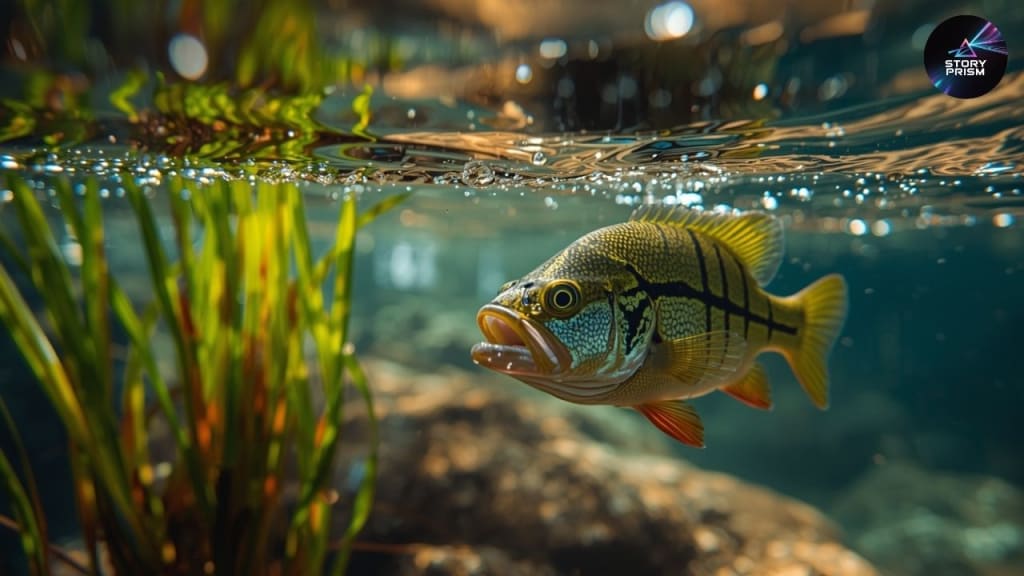
The peacock bass is one of the most striking freshwater fish in the world, renowned for its vivid colors and fierce predatory behavior. Native to South America, especially the Amazon River basin, this fish has become a favorite among anglers and aquatic enthusiasts alike. Its scientific name, Cichla, represents a genus of cichlids that are known not only for their beauty but also for their impressive size and aggressive hunting tactics.
Appearance and Characteristics
Peacock bass are easily recognizable by their bright coloration, which includes shades of yellow, green, orange, and blue. The distinctive black stripes or spots on their bodies are reminiscent of a peacock’s tail feathers, hence the name “peacock bass.” Adult fish can grow anywhere from 2 to 4 feet in length, depending on the species and environment, with some specimens exceeding 20 pounds.
The peacock bass is more than just a beautiful fish—it is a powerful predator. Equipped with a wide mouth and sharp teeth, it hunts smaller fish, amphibians, and crustaceans. Its aggressive hunting style makes it a dominant species in its habitat and a challenging catch for anglers seeking sport fishing opportunities.
Habitat and Distribution
Originally native to the Amazon and Orinoco River basins, peacock bass have been introduced to other regions, including the United States, specifically Florida. They thrive in warm, slow-moving freshwater rivers, lakes, and reservoirs, preferring areas with submerged structures such as logs, rocks, and vegetation. These hiding spots allow them to ambush prey efficiently.
In the Amazon, the peacock bass plays a crucial ecological role, helping maintain the balance of smaller fish populations. When introduced to non-native habitats, they can impact local ecosystems, which is why responsible fishing and conservation practices are essential.
Behavior and Diet
Peacock bass are aggressive, territorial fish. They often hunt in pairs or small groups, using stealth and sudden bursts of speed to capture their prey. Their diet primarily consists of smaller fish species, but they also consume insects, crustaceans, and even frogs. This carnivorous diet contributes to their rapid growth and muscular build.
Interestingly, peacock bass exhibit a unique breeding behavior. During the spawning season, usually in the warmer months, they lay eggs in shallow nests made in sandy or gravelly areas. Both parents guard the nest aggressively, ensuring that the eggs and fry are protected from predators. This parental care is relatively rare among freshwater fish and demonstrates the species’ resilience and adaptability.
Fishing for Peacock Bass
Peacock bass fishing has gained international popularity due to the fish’s fighting spirit and aesthetic appeal. Anglers often describe the experience as exhilarating because these fish strike hard, jump powerfully, and are notoriously difficult to reel in.
Successful peacock bass fishing requires specific strategies. Using brightly colored lures that mimic small prey can attract the fish’s attention, especially near submerged structures where they hide. Live bait, such as small fish or shrimp, is also effective. Patience and precise casting are key, as peacock bass are intelligent predators and can be selective when feeding.
Conservation and Ecological Impact
While peacock bass are not currently listed as endangered, their introduction to non-native habitats has caused concerns about ecological disruption. In some regions, they have become invasive, outcompeting local fish species for food and habitat. This makes it essential for anglers to follow local fishing regulations, practice catch-and-release methods when appropriate, and avoid introducing them into new waterways.
Conservation efforts in their native regions focus on maintaining healthy river ecosystems and ensuring that overfishing does not threaten wild populations. Protecting the Amazon River basin, home to countless freshwater species, is crucial for the continued survival of the peacock bass and other aquatic wildlife.
Why Peacock Bass Fascinate Anglers and Nature Lovers
The allure of the peacock bass lies not only in its striking appearance but also in the challenge it presents to fishermen. Its combination of beauty, strength, and intelligence makes it a prized catch in sport fishing. Beyond fishing, wildlife enthusiasts admire the fish for its role in maintaining the balance of freshwater ecosystems.
Whether you are an avid angler seeking your next trophy fish or a nature lover intrigued by exotic species, the peacock bass represents an extraordinary example of freshwater biodiversity. Its vibrant colors, aggressive behavior, and ecological importance make it a fascinating subject for study and observation.
About the Creator
Keep reading
More stories from Story Prism and writers in Earth and other communities.
Frozen Horizons: Inside the 2026 Winter Olympics and the Future of Winter Sport
In the winter of 2026, the world will turn its attention to northern Italy, where snow, stone, and centuries of history will converge under the Olympic rings. The 2026 Winter Olympics, officially known as Milano–Cortina 2026, promise something quietly radical. Not louder stadiums or flashier ceremonies, but a rethinking of what a global sporting event can look like in a fragile era.
By Story Prism4 days ago in Earth
Meteorologists Warn of an Unusually Early Arctic Breakdown Forming in February
Meteorologists are raising alarms as an unusually early Arctic breakdown appears to be forming in February, a time when the polar regions are typically stable and cold. This rare phenomenon, which involves a sudden weakening of the polar vortex and an intrusion of warm air into the Arctic, could have far-reaching consequences for weather patterns across North America, Europe, and Asia.
By Sajida Sikandar6 days ago in Earth



Comments
There are no comments for this story
Be the first to respond and start the conversation.