
Polar Vortex Collapse Forecast: What It Really Means and Why Experts Are Watching Closely
Informative & Clear How a Sudden Stratospheric Shift Could Trigger Extreme Winter Weather Across the Globe

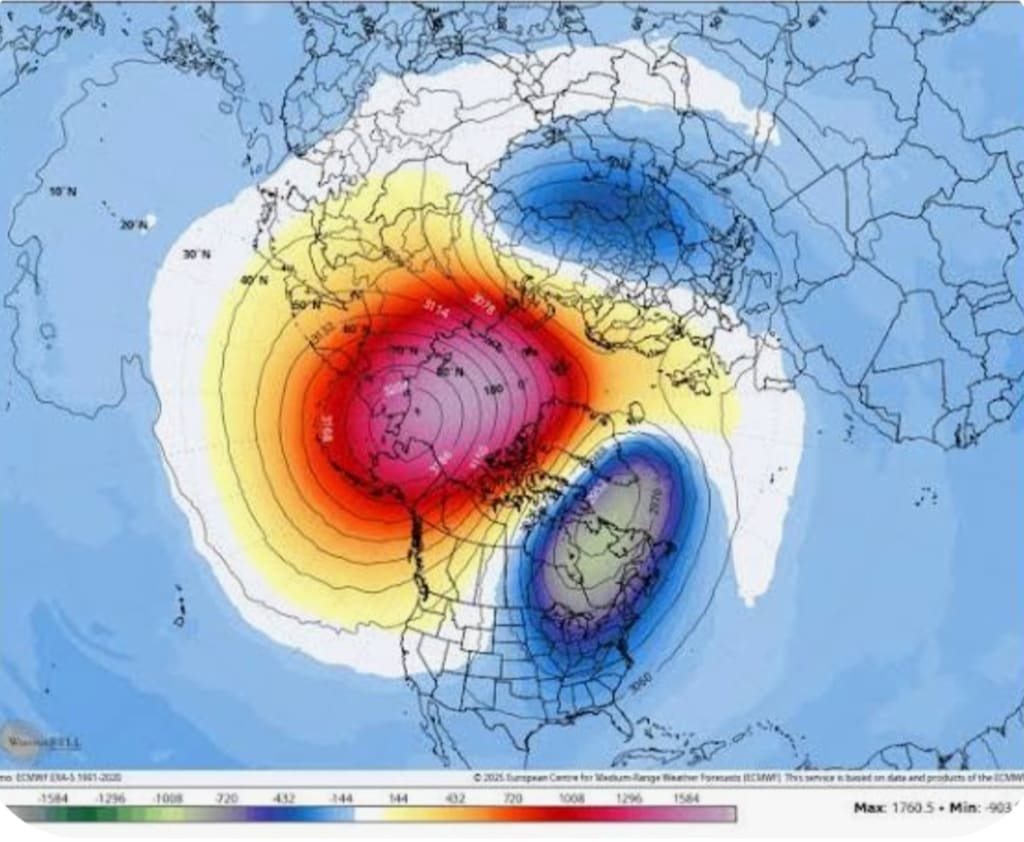
Every winter, the phrase “polar vortex” makes headlines, usually accompanied by warnings of brutal cold, snow-choked cities, and record-breaking temperatures. This year, however, meteorologists are paying special attention to something even more dramatic: a possible polar vortex collapse.
While the term sounds apocalyptic, it doesn’t mean the Arctic is about to implode. Still, a disruption of the polar vortex can reshape weather patterns across continents, influencing everything from sudden cold snaps to long-lasting storms. As forecasts hint at instability in the weeks ahead, scientists and weather watchers alike are asking the same question—what happens if the polar vortex really does collapse?
Understanding the Polar Vortex Without the Hype
The polar vortex is a massive ring of cold air that circulates high in the atmosphere around the North Pole. During a stable winter, it stays relatively tight and contained, keeping the cold locked in the Arctic. When it weakens or becomes distorted, that frigid air can escape southward, bringing extreme winter weather to regions that normally experience milder conditions.
A “collapse” doesn’t mean the vortex disappears. Instead, it refers to a sudden stratospheric warming event, where temperatures high above the Earth spike rapidly, weakening the winds that hold the vortex together. When that happens, the cold air breaks apart and migrates toward lower latitudes.
The result? Weather chaos.
Why Forecasters Are Raising Eyebrows Now
Recent atmospheric models suggest unusual warming patterns developing in the stratosphere—one of the early warning signs of vortex disruption. These signals don’t guarantee a full collapse, but they increase the odds of significant instability later in the season.
What has experts concerned isn’t just the possibility of colder weather, but how unpredictable the impacts can be. A weakened polar vortex can linger for weeks, altering jet stream behavior and causing weather systems to stall. That’s when regions may experience prolonged cold spells, heavy snowfall, or abrupt temperature swings.
In short, it’s not just about a few cold days—it’s about sustained atmospheric imbalance.
What a Collapse Could Mean on the Ground
If the polar vortex weakens significantly, its effects can stretch far beyond the Arctic Circle.
In North America, it could push Arctic air deep into the central and eastern parts of the continent, bringing temperatures well below seasonal averages. Europe may see similar effects, with colder-than-normal conditions sweeping westward, especially if the jet stream dips south.
Asia isn’t immune either. Past vortex disruptions have been linked to intense cold outbreaks across parts of Siberia, China, and even Japan.
Ironically, some regions could experience warmer or stormier conditions instead of cold. When the jet stream becomes unstable, it can trap weather systems in place—leading to flooding in some areas and drought in others.
Is Climate Change Playing a Role?
This is where the conversation gets complicated.
Scientists continue to debate how climate change influences polar vortex behavior. Some research suggests that a warming Arctic may weaken the temperature contrast between the poles and lower latitudes, making the vortex more prone to disruption. Others argue that natural variability still plays the dominant role.
What most experts agree on is this: extreme weather events are becoming more frequent, and polar vortex disturbances are part of a larger pattern of atmospheric volatility.
Whether climate change is the trigger or the amplifier, the result feels the same on the ground—more weather extremes, less predictability.
Why “Forecast” Doesn’t Mean “Certainty”
Despite the dramatic headlines, meteorologists are careful with their wording. Forecasting a polar vortex collapse weeks in advance is notoriously difficult. Small changes in atmospheric pressure, ocean temperatures, or wind patterns can alter the outcome entirely.
That’s why forecasts often emphasize risk rather than certainty.
A potential collapse means conditions are favorable for disruption—not that disaster is guaranteed. Some events fizzle out before reaching the surface, while others evolve into major weather episodes.
It’s a waiting game backed by constant monitoring.
What People Can Do to Prepare
For the average person, awareness matters more than anxiety.
Staying informed through reliable weather updates, preparing for possible cold snaps, and understanding that sudden shifts are possible can make a real difference. Municipalities and utilities also use these forecasts to prepare infrastructure for stress, from power grids to road treatment plans.
A polar vortex event doesn’t arrive overnight—it builds, signals, and evolves.
A Reminder of Nature’s Reach
Whether the vortex collapses this season or stabilizes at the last moment, the attention it’s receiving highlights something important: the atmosphere is an interconnected system, and what happens thousands of miles away can reshape daily life at home.
The polar vortex may feel distant and abstract, but when it stirs, the effects are anything but. As forecasts continue to develop, one thing is certain—winter’s most powerful force is still very much in control.
About the Creator
Saad
I’m Saad. I’m a passionate writer who loves exploring trending news topics, sharing insights, and keeping readers updated on what’s happening around the world.
Dead and Wearing Green: Unpacking the Cultural and Environmental Meaning
The phrase “Dead and Wearing Green” immediately conjures images of mystery, symbolism, and questions about life, death, and environmental consciousness. While at first it may sound like a simple, perhaps eerie statement, it is layered with cultural, ecological, and metaphorical significance that resonates across literature, environmental discourse, and contemporary social commentary.
By Aarif Lashari3 days ago in Earth


Comments
There are no comments for this story
Be the first to respond and start the conversation.