

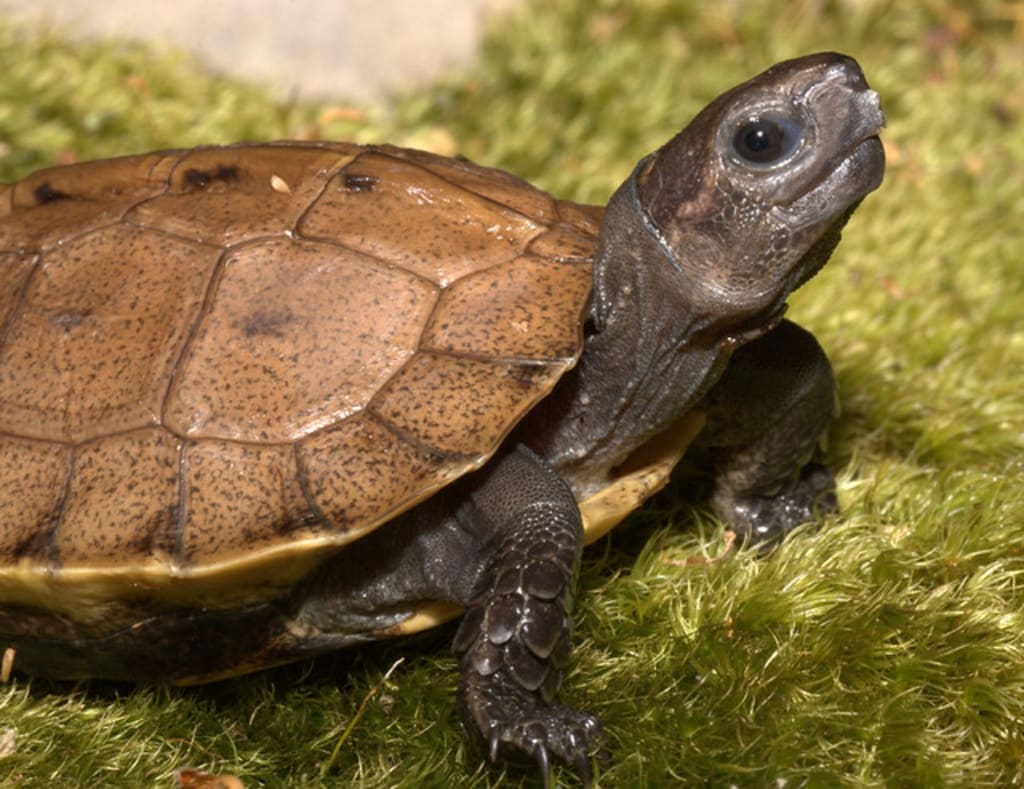
Arakan forest turtles were rediscovered in Myanmar in the 1990s. These turtles thrive in dense forests. Their brown, camouflaged shells allow them to blend in with their surroundings on the forest floor. Arakan forest turtles feed on plants and small invertebrates. This turtle’s rediscovery highlights the need to protect biodiversity and safeguard lesser-known species from extinction.
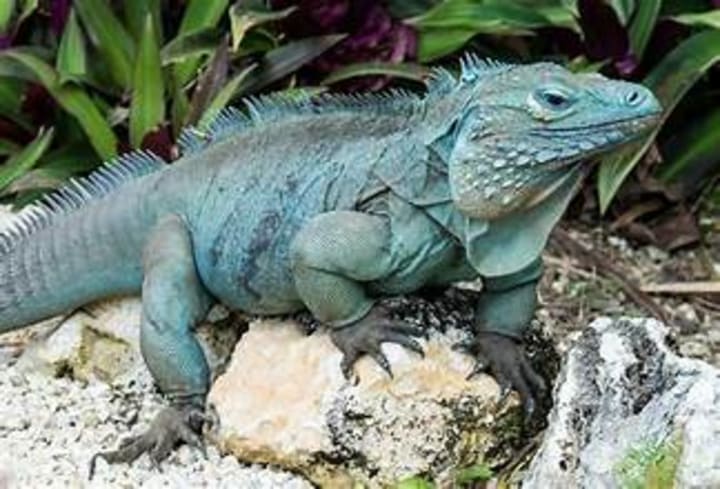
Blue iguanas are impressive reptiles with vibrant blue skin. They inhabit dry forests and rocky areas in Grand Cayman in the Caribbean. Their diet consists of fruit and flowers. Once on the brink of extinction, this species has become a symbol of successful conservation efforts.
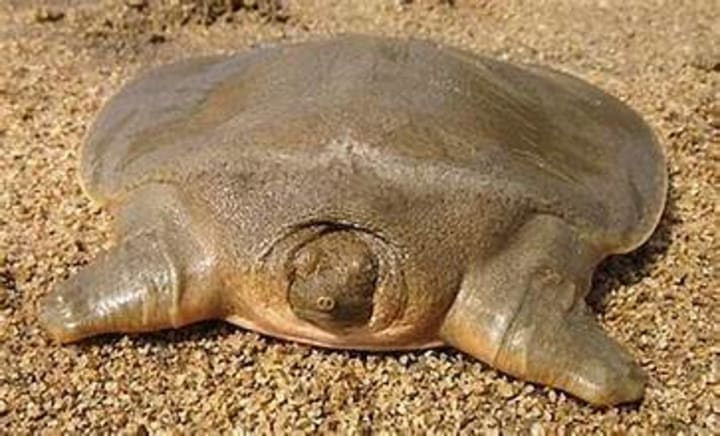
Cantor’s giant softshell turtles are among the largest freshwater turtles in the rivers of Southeast Asia. They weigh over 100 pounds and have distinctive soft shells and are often found buried in sand with only their eyes and noses visible. Cantor’s giant softshell turtles feed on fish and invertebrates. While rare in the wild, ongoing research is helping to understand and protect this unique species.
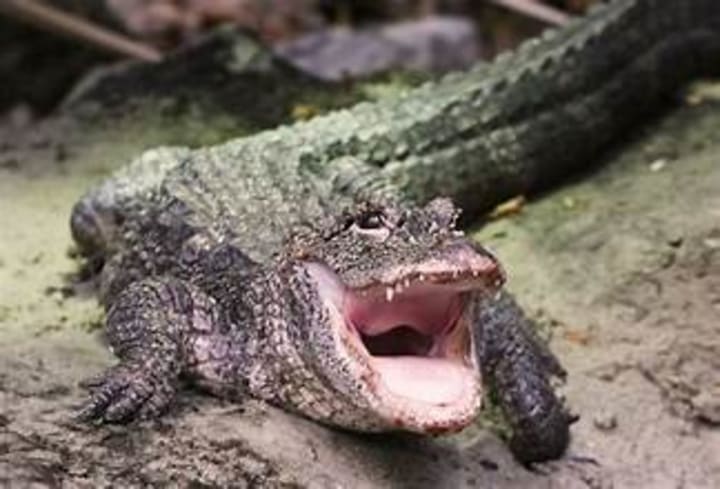
Chinese alligators are among the world’s most endangered species. There are fewer than 200 left in the wild. These alligators are native to the Yangtze River Valley and thrive in slow-moving freshwater habitats. Chinese alligators are small and nocturnal. They feed on fish and small animals. Despite efforts, the Chinese alligator is still highly sought after by exotic pet collectors, putting more pressure on its survival.
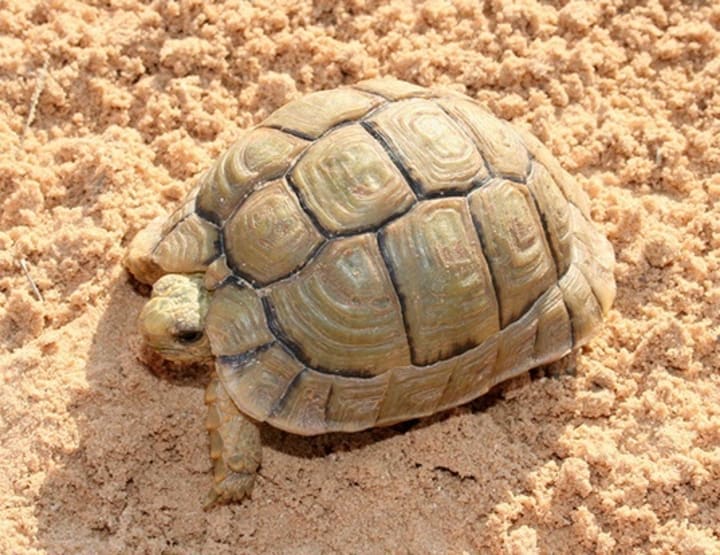
Egyptian tortoises are among the smallest tortoises that inhabit the arid regions of North Africa. These tortoises are good at camouflage since they have pale, sandy-colored shells. Egyptian tortoises are herbivores, and their diet consists mainly of leafy greens and fibrous plants. Unfortunately, they are threatened by habitat loss and the pet trade.
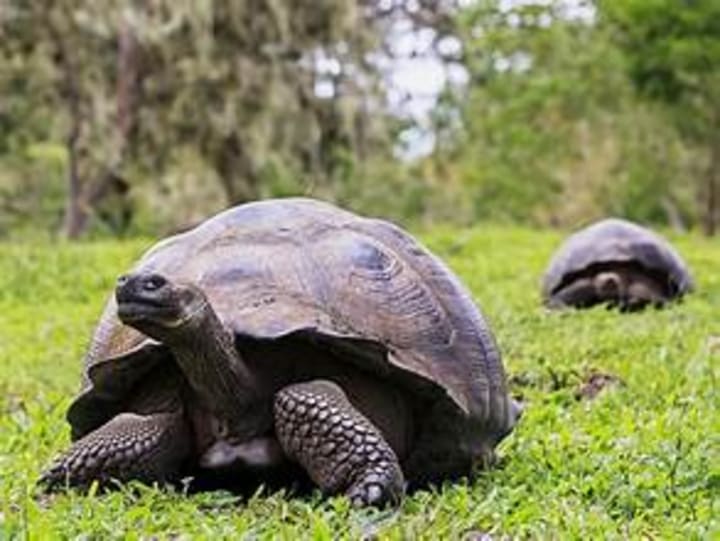
Galapagos tortoises roam the Galapagos Islands in the Pacific Ocean. They are gentle giants with shells that are like living vaults to protect them from harsh elements. Galápagos tortoises are herbivores, eating a range of grasses, leaves, cacti, vines, and fruit. Conservationists work tirelessly to preserve their habitats, as human interference and introduced species threaten their existence.
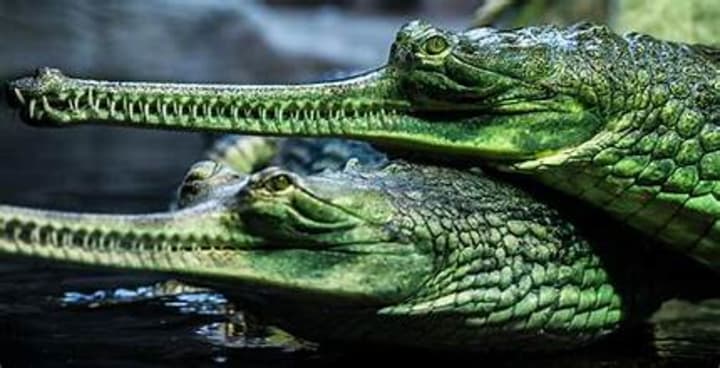
Gharials are known for their long, slender snouts and are among the most unique crocodilian species. They inhabit rivers across the Indian subcontinent and feed on fish. Gharials are critically endangered due to habitat loss, pollution, and entanglement in fishing nets. Conservation efforts focus on creating protected areas and breeding programs to stabilize their dwindling population.
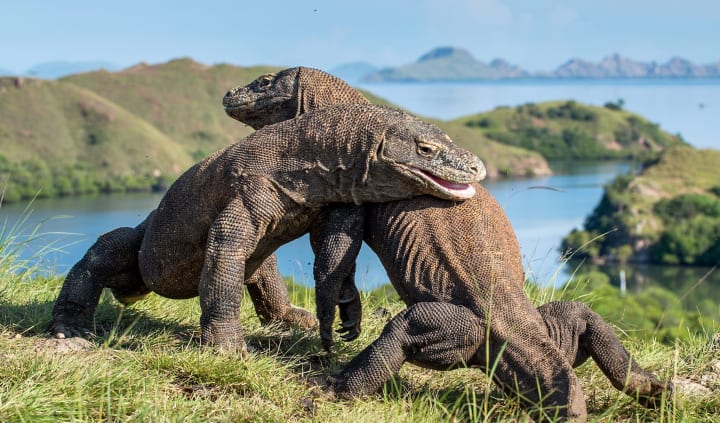
Komodo dragons are the largest living lizards. They are native to the Lesser Sunda Islands in Indonesia. These dragons can grow up to 10 feet and weigh in at more than 150 pounds. Komodo dragons have long, forked tongues and an excellent sense of smell and are fearsome predators able to track prey from miles away. They are at risk due to their limited range and habitat loss. Environmental changes continue to threaten their survival, making them a key focus for conservationists.
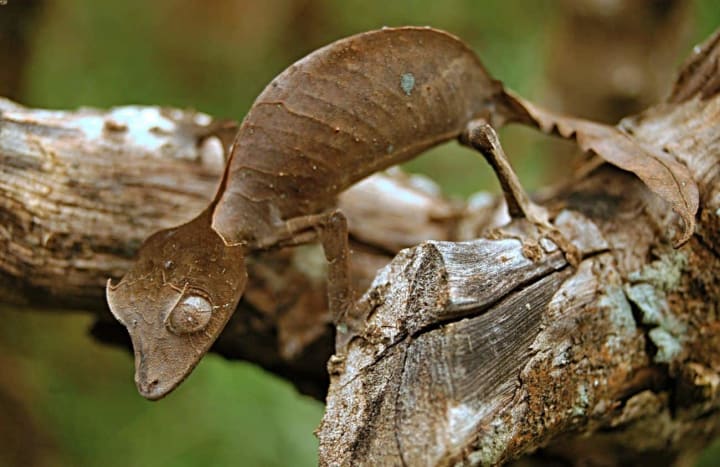
Leaf-tailed geckos are native to Madagascar. They are known as masters of disguise, blending into their surroundings with their leafy appendages and bark-like skin. They are nocturnal and feed on insects, using their camouflage to sneak up on prey. Unfortunately, deforestation and illegal collection have significantly reduced its numbers in the wild. Conservation efforts, including habitat protection and captive breeding programs, aim to help the population recover.
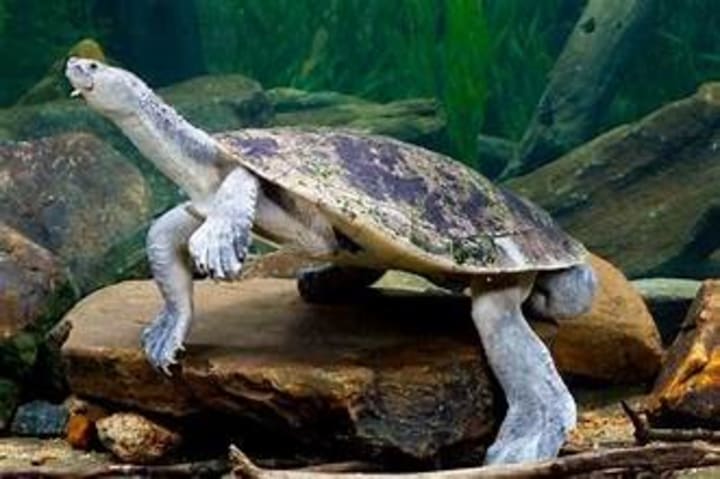
Mary River turtles live in Australia. They are unique reptiles known for their green-haired look, caused by algae growing on their heads and shells. Unfortunately, they are critically endangered in southeastern Queensland. Mary River turtles are known for their calm nature and ability to breathe through specialized glands near their tails. Habitat destruction and egg predation have caused a steep population decline. Conservation efforts, including habitat protection and nest monitoring, are underway.
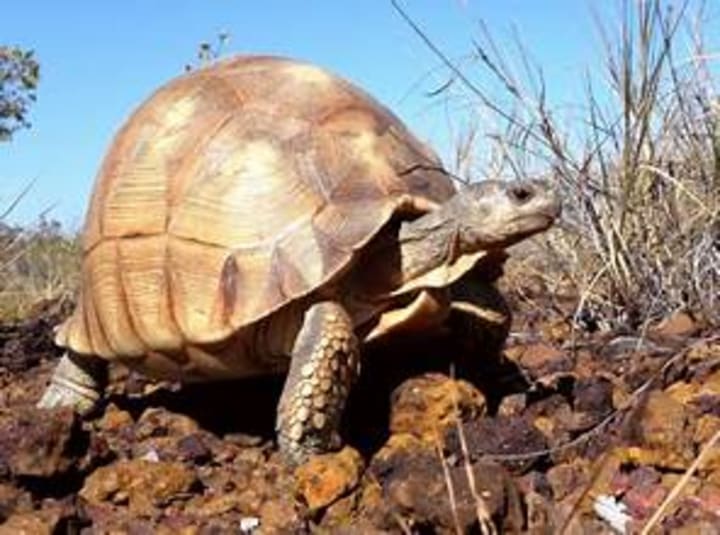
Ploughshare tortoises are also referred to as Angonokas. They can only be found in the Baly Bay of Madagascar. These tortoises have golden-hued shells and are a slow-moving species. They feed on grasses and fruit. They are critically endangered. Conservationists are working with breeding programs and anti-poaching efforts to protect this rare tortoise.
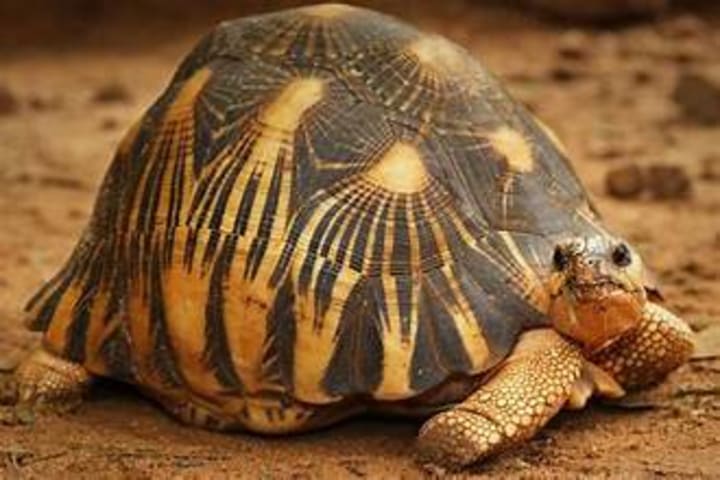
Radiated tortoises are native to southern Madagascar. These tortoises are known for their striking star-like shell patterns. They thrive in dry forests, grazing on grasses and fruit. These tortoises are critically endangered, mainly due to habitat loss and illegal poaching for the exotic pet trade. Conservation efforts focus on protecting their habitats and enforcing anti-poaching measures. Public education is essential to reduce demand for these beautiful creatures, ensuring they remain a vital part of Madagascar’s unique ecosystem.
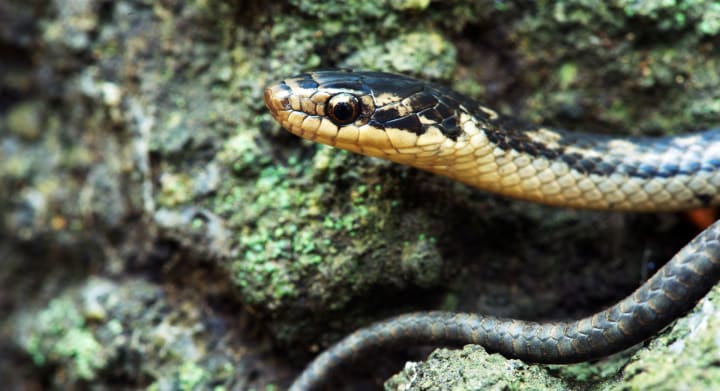
Saint Lucia Racers are the rarest snakes on Earth. Only a handful remain on Maria Island. These small, non-venomous snakes are endemic to the Caribbean, specifically found on a tiny islet off the coast of Saint Lucia. Preferring to stay hidden under rocks and leaves, they hunt small lizards and insects. Conservationists are working hard to remove predators like rats and mongooses to give the racer a better chance.
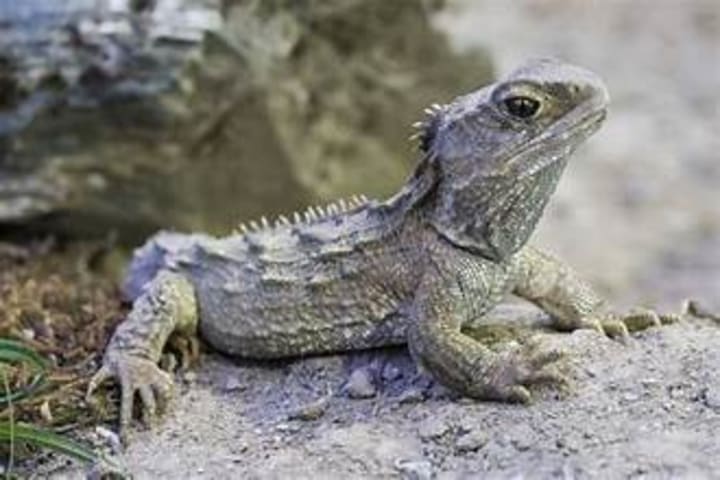
Tuataras are living fossils from New Zealand. They are not lizards but the last survivors of an ancient order. They boast a unique third eye on their foreheads. These reptiles are nocturnal, hanging out in burrows. Tuatara have spiky crests that make them stand out. Sadly, their population has shrunk due to habitat loss and predators like rats, making it rare to find.
About the Creator
Rasma Raisters
My passions are writing and creating poetry. I write for several sites online and have four themed blogs on Wordpress. Please follow me on Twitter.
Keep reading
More stories from Rasma Raisters and writers in Earth and other communities.
Where the Wild Animals Roam
The U.S. National Wildlife Refuge system is known for protecting millions of acres of land and water habitats from coast to coast. There are 571 refuges in the system. They protect 220 mammal species, 700 bird species, more than 1,000 fish species, and 250 reptile and amphibian species.
By Rasma Raisters2 months ago in Earth
United States Lawn Mowers Market Size and Forecast 2025–2033
The United States Lawn Mowers Market is expected to reach US$ 15.91 billion by 2033, rising from US$ 9.64 billion in 2024, registering a CAGR of 5.73% during 2025–2033. This strong growth trajectory reflects changing lifestyles, increased spending on home improvement, and rapid technological innovation across outdoor equipment. From battery-powered walk-behind models to autonomous robotic mowers guided by GPS and artificial intelligence, the industry is undergoing a structural shift toward efficiency, sustainability, and user convenience.
By Renub Research6 days ago in Earth
Judge Trump: Courtroom Battles and Public Questions Surrounding Donald Trump
Judge Trump: Courtroom Battles and Public Questions Surrounding Donald Trump Donald Trump’s name has been repeatedly linked with judges, courts, and major legal decisions over the past several years. As a former president and a high-profile political figure, Trump has faced intense legal scrutiny, making judges central figures in news coverage and public debate. The phrase “Judge Trump” has come to reflect public curiosity about the judges who oversee Trump-related cases, their rulings, and how these legal battles may affect his political future. Understanding this topic requires looking at the legal landscape, the role of the judiciary, and the most common questions people ask. Judge Trump: Courtroom Battles and Public Questions Surrounding Donald Trump
By America today 6 days ago in Earth



Comments
There are no comments for this story
Be the first to respond and start the conversation.