
Rain Batters Oregon and Southwest Washington as Flood Watches Remain in Effect, Road Closures Hit
Relentless storms trigger rising rivers, travel disruptions, and emergency warnings across the Pacific Northwest

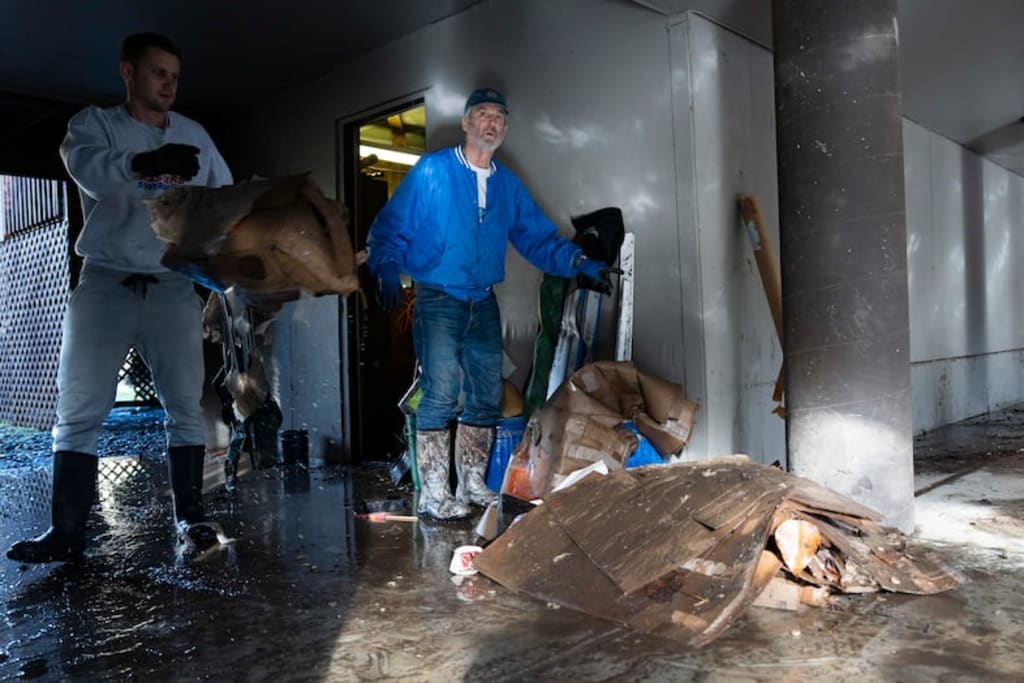
Relentless rainfall continues to batter Oregon and Southwest Washington, prompting flood watches, road closures, and emergency warnings as rivers swell and urban drainage systems struggle to cope. Weather officials warn that saturated ground, rising waterways, and ongoing storms could worsen conditions, posing risks to drivers, homeowners, and infrastructure across the region.
As communities brace for more rain, authorities are urging residents to stay alert and avoid unnecessary travel, especially in low-lying and flood-prone areas.
Heavy Rainfall Overwhelms the Region
Over several days, persistent rain has drenched much of western Oregon and Southwest Washington, delivering rainfall totals well above seasonal averages. Meteorologists report that repeated storm systems have prevented the ground from drying out, increasing runoff and accelerating river rises.
Urban areas have seen flooded streets, overwhelmed storm drains, and water pooling in residential neighborhoods. Rural communities face additional dangers as creeks and rivers overflow into farmland and roadways.
Weather services have warned that even moderate additional rainfall could trigger flash flooding, particularly in areas with steep terrain or poor drainage.
Flood Watches and Warnings Issued
Flood watches remain in effect across multiple counties, signaling that flooding is possible and conditions are favorable for rapid water rise. In some areas, flood warnings have already been issued as rivers approach or exceed critical levels.
Emergency management officials emphasize that flood watches should be taken seriously. Residents near rivers, streams, and coastal zones are advised to monitor updates closely and prepare for possible evacuation if conditions worsen.
Officials also warn that nighttime flooding poses an increased risk, as rising water may be harder to detect in darkness.
Road Closures and Travel Disruptions
The ongoing rain has led to numerous road closures, particularly on secondary highways, rural routes, and low-lying roads. In some cases, water has washed debris onto roadways, while landslides and mudslides have blocked access entirely.
Transportation departments report that standing water has made roads impassable, forcing detours and delays for commuters and commercial traffic. Authorities are urging drivers not to attempt to cross flooded roads, reminding the public that just a few inches of moving water can sweep vehicles away.
“Turn around, don’t drown” remains the central message as emergency crews respond to stranded motorists and flooded vehicles.
Rivers and Streams Rising Rapidly
Hydrologists monitoring river levels across the region have expressed concern about several waterways approaching flood stage. Smaller streams and creeks are often the first to overflow, creating localized flooding that can spread quickly.
In agricultural areas, rising waters threaten crops, livestock, and farm infrastructure. Farmers are being advised to move equipment and animals to higher ground where possible.
Coastal rivers, which drain large watersheds, are particularly vulnerable during prolonged rain events, as water accumulates from multiple upstream sources.
Impact on Homes and Communities
Flooding has already impacted some homes, with reports of water entering basements, garages, and ground floors. Emergency shelters have been placed on standby in case evacuations become necessary.
Local governments are coordinating with emergency services to distribute sandbags, clear blocked drains, and monitor vulnerable neighborhoods. Community organizations and volunteers have also stepped in to assist elderly residents and those with limited mobility.
Power outages have been reported in isolated areas, often caused by fallen trees and waterlogged ground weakening root systems.
Landslide and Mudslide Risks Increase
In addition to flooding, prolonged rain significantly raises the risk of landslides and mudslides, especially in hilly and mountainous regions. Saturated soil can suddenly give way, sending debris onto roads, into homes, or down slopes with little warning.
Officials warn residents living near steep hillsides or burn-scar areas to remain vigilant for signs such as cracking soil, leaning trees, or unusual sounds. Landslides can occur even after rainfall slows, as water continues to seep into the ground.
Emergency Preparedness and Public Safety
Authorities across Oregon and Southwest Washington are emphasizing preparedness. Residents are encouraged to:
Avoid driving through flooded areas
Keep emergency kits ready
Monitor official weather alerts
Check on neighbors, especially the elderly
Follow evacuation orders immediately if issued
Schools and local services are also reviewing contingency plans in case conditions deteriorate further.
Emergency officials stress that early caution can prevent injuries and save lives.
Climate Patterns and Seasonal Concerns
While winter rain is common in the Pacific Northwest, experts note that extreme and prolonged rainfall events appear to be occurring more frequently. Warmer atmospheric conditions allow storms to carry more moisture, increasing the likelihood of intense rain over short periods.
Scientists caution that communities must adapt to changing weather patterns through improved infrastructure, floodplain management, and emergency planning.
What to Expect Next
Forecasts indicate that additional rain may continue in the coming days, keeping flood risks elevated. Even if rainfall tapers off, rivers may remain high, and drainage systems could take time to recover.
Officials will continue monitoring conditions and issuing updates as needed. Residents are urged to stay informed through local alerts and trusted weather sources.
Conclusion
As rain continues to batter Oregon and Southwest Washington, the combination of flood watches, rising rivers, and road closures highlights the seriousness of the situation. While emergency crews and local governments are responding, public awareness and caution remain critical.
The coming days will test infrastructure and community resilience, reminding residents that preparation and timely response are essential when nature’s forces intensify. For now, safety officials agree on one message: stay informed, stay cautious, and stay out of floodwaters.
About the Creator
Asad Ali
I'm Asad Ali, a passionate blogger with 3 years of experience creating engaging and informative content across various niches. I specialize in crafting SEO-friendly articles that drive traffic and deliver value to readers.
Without Democracy, Donald Trump’s Venezuelan Oil Quest Will Fail
Donald Trump’s renewed interest in Venezuelan oil may seem, on the surface, like a hard-nosed geopolitical calculation. Venezuela holds the world’s largest proven oil reserves, and amid global energy uncertainty, access to those resources is undeniably tempting. But history, economics, and politics all point to the same conclusion: without democratic reform in Venezuela, any attempt by a Trump-led US administration to secure reliable Venezuelan oil will ultimately fail.
By Aarif Lashari6 days ago in Earth




Comments
There are no comments for this story
Be the first to respond and start the conversation.