
Arctic Temperatures, Snow and Flooding Sweep Across the U.S.
Extreme winter weather disrupts travel, power, and daily life across multiple states

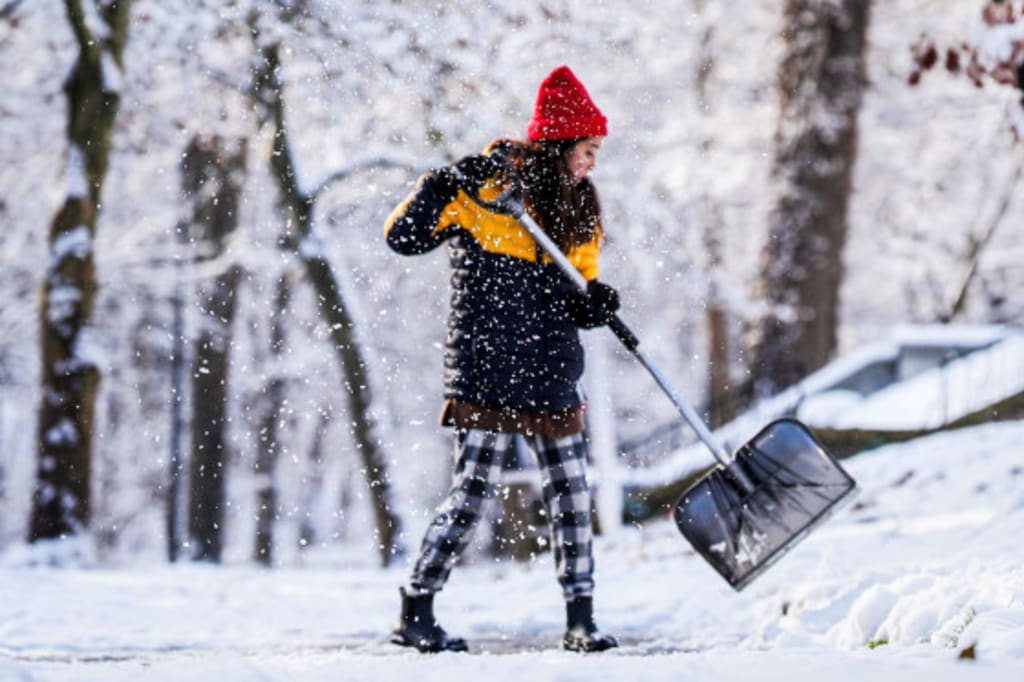
A powerful Arctic weather system has swept across large parts of the United States, bringing record-low temperatures, heavy snowfall, and dangerous flooding to regions unaccustomed to such extreme conditions. From frozen highways in the Midwest to flooded neighborhoods in the South, the severe weather has disrupted daily life for millions and raised fresh concerns about infrastructure resilience and climate volatility.
Meteorologists say the unusual combination of deep cold, intense snow, and sudden flooding highlights the increasingly unpredictable nature of extreme weather events across the country.
A Nation Gripped by Arctic Cold
The Arctic blast plunged temperatures well below seasonal averages, with some states experiencing their coldest conditions in years. In parts of the northern Plains and Midwest, wind chills dropped to life-threatening levels, forcing schools to close and prompting officials to issue emergency warnings.
Cities not typically accustomed to prolonged freezing weather also felt the impact. Power demand surged as residents relied heavily on heating, straining energy grids already under pressure. Authorities urged people to limit travel, check on vulnerable neighbors, and take precautions to avoid frostbite and hypothermia.
For many communities, the sudden arrival of Arctic air marked a sharp and dangerous shift from relatively mild conditions just days earlier.
Heavy Snow Brings Travel Chaos
Alongside the extreme cold, heavy snowfall blanketed wide areas, creating treacherous driving conditions and grounding flights. Major highways were shut down in several states as snowplows struggled to keep up with rapidly accumulating snow.
Airports across the country reported widespread delays and cancellations, leaving travelers stranded. Emergency responders worked around the clock to assist motorists trapped in snow-covered vehicles and to clear access routes for ambulances and essential services.
In mountainous and northern regions, officials warned of avalanche risks, while urban areas faced challenges clearing snow from streets, sidewalks, and public transit systems.
Flooding Adds a Dangerous Twist
In a troubling turn, the Arctic system also triggered severe flooding, particularly in southern and central states. Heavy rain combined with melting snow overwhelmed drainage systems, causing rivers and creeks to rise rapidly.
Low-lying neighborhoods and rural communities were especially vulnerable, with homes inundated and roads washed out. Emergency evacuations were ordered in some areas as floodwaters continued to rise.
Experts note that the combination of frozen ground and sudden rainfall prevents water from being absorbed, increasing runoff and flood risk. This phenomenon has become more common in recent years as weather patterns grow more erratic.
Impact on Communities and Infrastructure
The widespread weather impacts exposed weaknesses in infrastructure across multiple regions. Aging power lines, outdated drainage systems, and underprepared road networks struggled to cope with the extremes.
Utilities reported scattered power outages caused by ice buildup and strong winds. In some areas, burst water pipes left residents without access to clean water during freezing temperatures.
Local governments activated emergency shelters for those displaced by flooding or left without heat, while aid organizations stepped in to provide food, blankets, and medical assistance.
Climate Experts Warn of a Bigger Pattern
While Arctic cold spells are not new, scientists emphasize that climate change can intensify weather extremes, leading to sharper contrasts between cold snaps, heatwaves, and heavy precipitation.
Warmer Arctic temperatures can weaken the jet stream, allowing cold air to plunge farther south while also increasing moisture in the atmosphere. This creates conditions where snowstorms and flooding can occur simultaneously in different regions.
Experts warn that such compound weather events may become more frequent, challenging traditional disaster preparedness strategies.
Government and Emergency Response
Federal, state, and local authorities coordinated emergency responses as conditions worsened. Disaster declarations were issued in several states, unlocking emergency funding and resources.
Transportation agencies worked to restore mobility, while emergency management officials urged residents to stay informed through weather alerts and official advisories. The National Weather Service continued to issue warnings as the system moved eastward.
Officials stressed that safety remains the top priority, advising residents to avoid unnecessary travel and prepare for rapidly changing conditions.
What Comes Next
Forecasts suggest that while temperatures may gradually moderate in some regions, lingering impacts will persist. Floodwaters may take days to recede, and cleanup efforts will continue long after the snow melts.
Communities are now assessing damage and preparing for potential follow-up storms. The event has reignited discussions about long-term climate adaptation, resilient infrastructure, and emergency readiness across the United States.
Final Thoughts
The Arctic temperatures, snow, and flooding sweeping across the U.S. serve as a stark reminder of nature’s power and unpredictability. As millions cope with frozen roads, flooded homes, and disrupted lives, the storm underscores the urgent need for preparedness in an era of increasingly extreme weather.
Whether viewed as an isolated event or part of a broader climate trend, the impact of this Arctic surge will be felt long after skies clear — shaping policy debates, recovery efforts, and public awareness nationwide.
About the Creator
Asad Ali
I'm Asad Ali, a passionate blogger with 3 years of experience creating engaging and informative content across various niches. I specialize in crafting SEO-friendly articles that drive traffic and deliver value to readers.


Comments
There are no comments for this story
Be the first to respond and start the conversation.