
Pyrolysis: Unlocking the Hidden Value in Our Waste Stream
The Next Frontier in Circular Economy
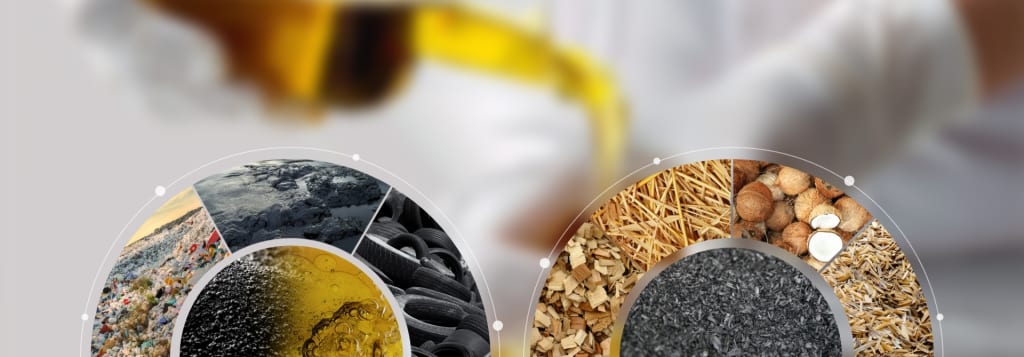
Our planet faces a dual crisis: overflowing landfills and resource scarcity. In the search for circular economy solutions, one advanced thermochemical process is demonstrating remarkable potential to address both challenges simultaneously: pyrolysis. Far from being just an experimental technology, pyrolysis is emerging as a practical key to transforming non-recyclable waste from a costly problem into a valuable resource.
What is Pyrolysis, and How Does It Work with Waste?
Pyrolysis is the thermal decomposition of materials in the complete absence of oxygen. When applied to waste—be it plastic, tires, biomass, or even mixed municipal solid waste—it doesn't burn it. Instead, it carefully "cracks" the complex molecular chains at high temperatures (typically 400-800°C). Without oxygen to support combustion, the material breaks down into three main useful products:
- Synthetic Gas (Syngas): A combustible mixture of hydrogen, methane, and carbon monoxide, usable for heat or electricity generation.
- Liquid Bio-Oil or Pyrolysis Oil: A versatile crude that can be refined into fuels or used as a chemical feedstock.
- Solid Char: A carbon-rich residue (biochar when from biomass, carbon black from tires) with applications in agriculture, construction, or as an industrial carbon source.
Turning Problematic Waste into Products
The true power of pyrolysis lies in its ability to handle waste streams that are otherwise destined for landfill or incineration.
- Plastic Waste: It can process mixed, contaminated, or multi-layer plastics—the very materials that frustrate traditional mechanical recycling. Pyrolysis breaks them down to their basic hydrocarbons, producing oils that can become new plastics (closing the loop) or alternative fuels.
- End-of-Life Tires: This process cleanly recovers carbon black and steel, alongside fuel oils, providing a much cleaner alternative to illegal stockpiling or polluting incineration.
- Agricultural & Forestry Residues: It converts low-value biomass like straw, nut shells, or wood chips into high-value biochar for soil enhancement and renewable energy, mitigating open burning.
Municipal Solid Waste: Advanced pyrolysis plants can treat the non-recyclable fraction of household waste, significantly reducing landfill volume while recovering energy and materials.
The Environmental and Economic Edge
Compared to landfilling or simple waste-to-energy incineration, pyrolysis offers compelling advantages:
- Resource Recovery, Not Just Disposal: It extracts valuable commodities—oils, gases, and solids—creating new revenue streams from waste.
- Lower Emissions Profile: Operating without oxygen minimizes the formation of dioxins and furans often associated with incineration. Modern systems capture and treat all process gases.
- Carbon Impact: When processing biomass, the solid char (biochar) can sequester carbon for centuries, creating a potential carbon sink. Processing plastic waste pyrolytically can also have a lower carbon footprint than producing virgin plastic from fossil fuels.
- Waste Diversion: It dramatically reduces the volume and toxicity of waste requiring landfill disposal.
Challenges and the Path to Scale
For all its promise, pyrolysis is not a silver bullet. Key challenges must be managed:
- Feedstock Consistency: Waste is inherently variable. Effective pre-sorting and feedstock preparation are critical for stable operation and product quality.
- Technology and Economics: High capital costs and the need for sophisticated process control have historically been barriers. However, technological advancements and rising costs for landfill and carbon emissions are improving the business case.
- Product Market Development: Creating reliable markets for pyrolysis oil and char is essential for long-term viability. This requires industry collaboration and policy support.
The Future is Integrated
The most promising applications integrate pyrolysis equipment into a broader waste management and industrial ecosystem. Imagine a facility where:
- Plastics are sorted and sent to a pyrolysis unit.
- The produced oil is refined on-site or sold to a chemical plant to make new plastics.
- The syngas powers the pyrolysis process itself.
- The char from biomass waste is used to improve local agricultural soils or in construction materials.
This is the circular economy in action.
Conclusion
Pyrolysis represents a paradigm shift in waste management. It reframes "waste" as "feedstock" and landfills as "mines" of untapped resources. While technical and commercial hurdles remain, its potential to divert complex waste streams, recover valuable materials, and reduce environmental harm is too significant to ignore. As we build a world beyond landfills, pyrolysis technology is poised to be a cornerstone of a truly sustainable and resource-efficient future.
About the Creator
New York Prepares for Possibly Its Heaviest Snowfall in Years
New York City and surrounding areas are preparing for what could be one of the heaviest snowfalls in years, according to meteorologists. The forecast predicts intense snow, gusty winds, and potentially hazardous conditions, prompting city officials, emergency services, and residents to take precautionary measures.
By Muhammad Hassan4 days ago in Earth
Australia Organic Fertilizer Market Size and Forecast 2025–2033
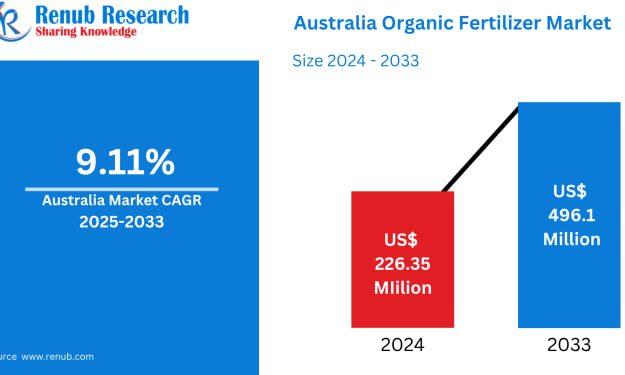
Australia Organic Fertilizer Market Outlook The Australia Organic Fertilizer Market is entering a strong growth phase as sustainability becomes a core priority for farmers, consumers, and policymakers alike. According to Renub Research, the market is expected to reach US$ 496.1 million by 2033, rising from US$ 226.35 million in 2024, expanding at a CAGR of 9.11% from 2025 to 2033.
By jaiklin Fanandish5 days ago in Earth



Comments
There are no comments for this story
Be the first to respond and start the conversation.