
Potential Hurricane Helene Approaches Gulf Coast: What You Need to Know
Potential Hurricane Helene Approaches Gulf Coast

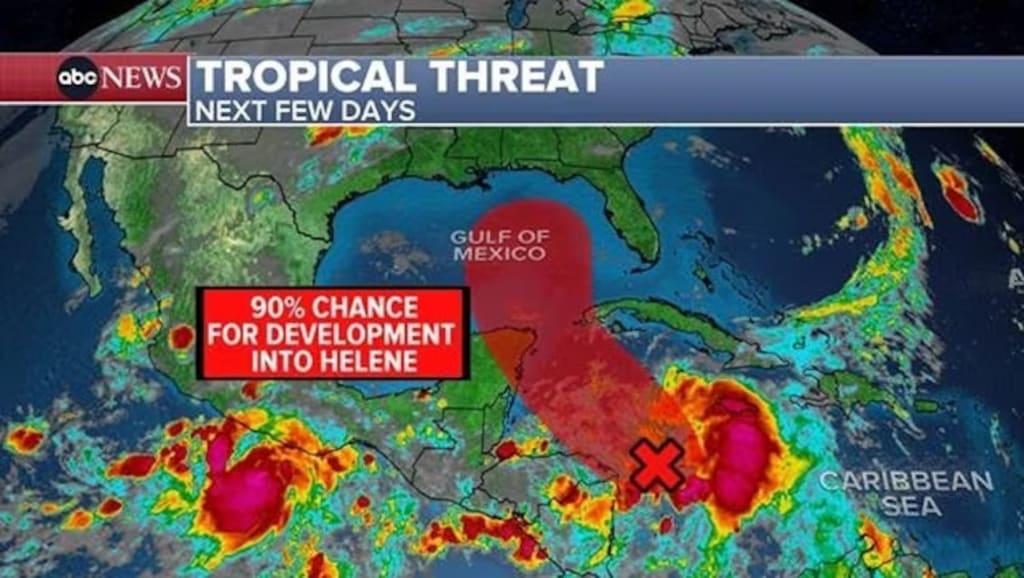
Potential Hurricane Helene Approaches Gulf Coast: What You Need to Know
A potential hurricane, likely to be named Helene, is brewing in the Caribbean and could be heading towards the Florida Panhandle later this week. As of now, meteorologists are tracking the system, which has a strong 90% chance of strengthening into Tropical Storm Helene.
The latest computer models indicate that Helene may move north, targeting the eastern Gulf Coast, with the Florida Panhandle appearing to be in its crosshairs. However, it’s important to note that the exact path of Helene remains uncertain, making it crucial for residents in the area to stay alert and prepare for possible impacts.
Understanding Helene’s Potential Impact
The most significant threats posed by this storm include flash flooding, strong winds, and storm surge. Flash flooding can occur rapidly, especially in low-lying areas, and even a few inches of rain can lead to hazardous conditions. Strong winds can result in downed trees and power lines, making it essential for everyone to take precautions. Storm surge, a rise in sea level caused by the storm, can lead to severe coastal flooding, particularly in vulnerable areas.
As of now, the forecast suggests that Helene could make landfall on Thursday evening. While the storm's strength is still being assessed, communities along the Gulf Coast, especially those east of New Orleans, should start preparing for its arrival.
Preparations Are Key
Residents in the affected areas should take this time to prepare their homes and families for potential impacts. Here are some important steps to consider:
1. Emergency Kit: Assemble a disaster supply kit that includes water, non-perishable food, medications, flashlight, batteries, and important documents. Don’t forget supplies for pets if you have them!
2. Stay Informed: Keep up with the latest weather updates from local news sources and the National Hurricane Center. Weather conditions can change rapidly, and being informed is vital.
3. Plan Your Evacuation: Know your evacuation routes and have a plan in place in case you need to leave your home. Discuss this plan with your family members and practice it if possible.
4. Secure Your Property: Bring in outdoor furniture, decorations, and any items that could become projectiles in high winds. If you have a boat, consider securing it or moving it to a safe location.
5. Check Insurance Policies: Review your insurance policies to ensure you have adequate coverage for wind and flood damage. This is especially important in hurricane-prone areas.
What to Expect as the Storm Approaches
As Helene moves closer, expect to see an increase in weather activity. This can include rain bands starting to affect the region as early as Wednesday. Conditions will likely worsen as the storm draws nearer, leading to strong winds and heavy rainfall.
Local officials may issue warnings and advisories as the storm develops. It’s important to heed these warnings and follow any guidance provided by local authorities. They are in place to keep residents safe.
Community Preparedness and Resources
Communities often come together in times of crisis. Local emergency management agencies usually provide resources and information for residents. You might find community meetings or online forums where neighbors can share tips and resources.
Additionally, if you are part of a vulnerable population—such as the elderly, individuals with disabilities, or families with young children—make sure you have a support network in place. Reach out to friends, family, or local organizations that can help during this time.
After the Storm: Safety First
If Helene does make landfall and impacts your area, safety should be your first priority. After the storm passes, be cautious when assessing damage. Avoid downed power lines, and do not enter flooded areas. Follow local authorities' guidance on when it is safe to return to your home if you evacuated.
Conclusion
As Hurricane Helene approaches, it is essential to stay informed, prepared, and safe. The storm poses significant risks, and while the exact path is still uncertain, being proactive can make all the difference. Keep an eye on updates, gather supplies, and communicate with your family and neighbors. Together, communities can navigate these challenging times with resilience.
Stay safe, and remember that preparedness is key when facing severe weather.
About the Creator
Sunil Christian
find here all type of news
Keep reading
More stories from Sunil Christian and writers in Earth and other communities.
Earth Shook for Nine Days Following Climate-Driven Mega-Tsunami
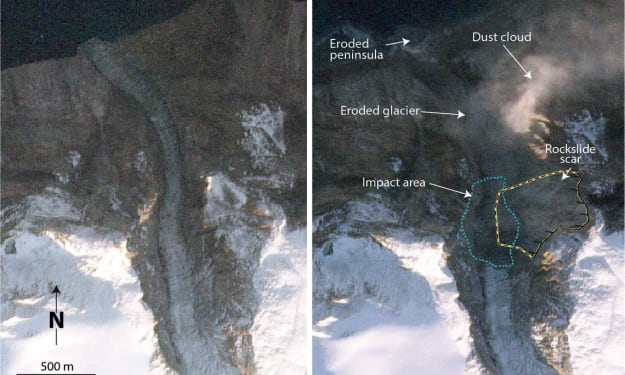
Earth Shook for Nine Days Following Climate-Driven Mega-Tsunami A massive landslide and subsequent mega-tsunami in Greenland, triggered by the climate crisis in September 2023, caused the Earth to vibrate for nine days. This seismic event, which had never been seen before, left scientists puzzled. Earthquake sensors across the globe picked up the vibrations, but at first, nobody could figure out what caused them. Eventually, researchers discovered that global warming had led to this unprecedented disaster, showing how rapidly rising temperatures are starting to have significant planetary effects.
By Sunil Christianabout a year ago in Earth
Nuclear Transmutation: The Accidental Dream of Making Gold
Picture a laboratory humming with quiet intensity, banks of instruments blinking in the low light, and somewhere inside a shielded reactor chamber, something almost magical is happening. An element is changing. One thing is becoming another. What was mercury is now, atom by atom, becoming gold.
By CurlsAndCommas6 days ago in Earth


Comments
There are no comments for this story
Be the first to respond and start the conversation.