
Frozen Horizons: Inside the 2026 Winter Olympics and the Future of Winter Sport
A cinematic journey through Italy’s alpine future, where sport, sustainability, and human ambition collide on snow and ice

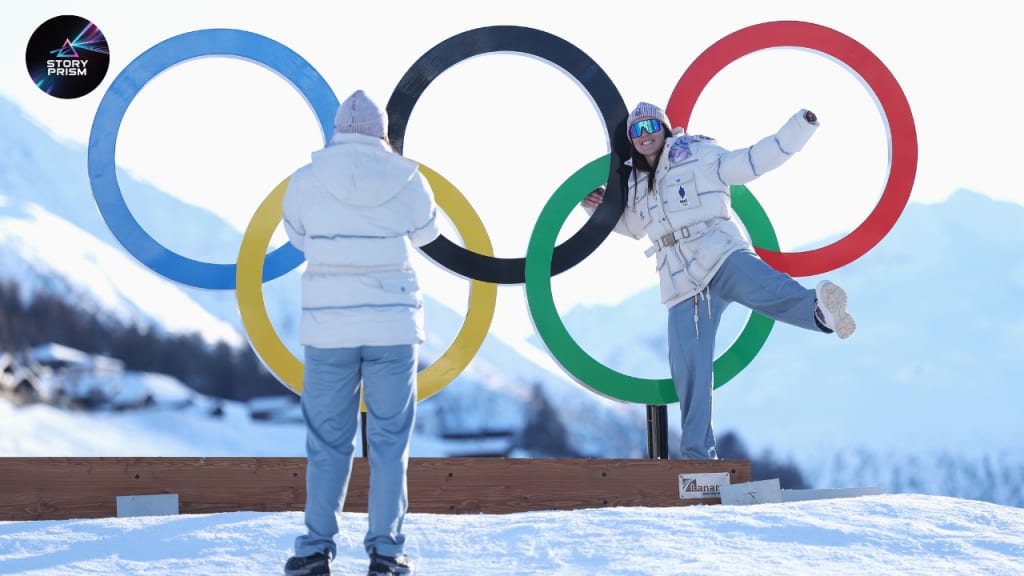
In the winter of 2026, the world will turn its attention to northern Italy, where snow, stone, and centuries of history will converge under the Olympic rings. The 2026 Winter Olympics, officially known as Milano–Cortina 2026, promise something quietly radical. Not louder stadiums or flashier ceremonies, but a rethinking of what a global sporting event can look like in a fragile era.
Unlike past Games built around a single Olympic city, Milano–Cortina will stretch across regions. Milan, Cortina d’Ampezzo, Livigno, Predazzo, and other alpine towns will each host pieces of the spectacle. This geographic spread is intentional. It reflects a shift away from costly, centralized construction toward reuse, restraint, and regional collaboration. The mountains are no longer a backdrop. They are the point.
Cortina d’Ampezzo, already etched into Olympic history after hosting the 1956 Winter Games, returns with a sense of continuity. Its jagged Dolomite peaks rise like frozen waves, dramatic and unforgiving. These mountains have always demanded respect, and in 2026, they will demand responsibility too. Climate change has reshaped winter sports more than any rulebook revision ever could. Shorter winters, thinner snowpack, unpredictable temperatures—these realities hover over every planning meeting.
Organizers have responded with a promise: sustainability not as a slogan, but as infrastructure. Existing venues are being renovated instead of replaced. Temporary structures will disappear once the flame goes out. Artificial snow, controversial yet unavoidable, will be used with tighter water management systems. The Games will still leave a footprint, but one measured with intent rather than excess.
Athletes arriving in Italy will compete across a familiar yet evolving program. Skiing events will dominate the alpine regions, while Milan’s modern arenas will host ice hockey, figure skating, and speed skating. New events continue to reflect changing tastes. Freestyle skiing and snowboarding remain central, appealing to younger audiences who value creativity as much as precision.
Yet the soul of the Olympics has never been just about events. It lives in the margins. In the quiet tension before a downhill run. In the moment an athlete exhales, knowing four years of preparation now exist in seconds. Winter sports, more than summer disciplines, expose vulnerability. The cold is not symbolic. It burns lungs, stiffens muscles, sharpens fear.
For many athletes, Milan–Cortina will represent more than competition. It may be a final chance. Careers in winter sports are often short, bodies worn down by ice and impact. Veterans will arrive carrying invisible histories of surgeries and near misses. Teenagers will arrive fearless, still learning the weight of expectation. The contrast is part of the drama.
Italy itself adds emotional texture. Few countries blend artistry and sport so naturally. From Renaissance architecture to industrial design, Italy understands form and movement. The opening ceremony is expected to lean into this identity, combining modern minimalism with historical reverence. The Games will not try to shout. They will try to resonate.
Economically, the Olympics remain a gamble. Supporters argue the Games will revitalize alpine regions, boosting tourism long after 2026. Critics warn of inflated costs and short-term optimism. Both perspectives carry truth. What sets these Games apart is restraint. The organizers have openly framed success not by spectacle alone, but by long-term usability.
Transportation plans emphasize rail over road. Energy strategies prioritize renewables. Even athlete housing is designed to convert into permanent residential units. These decisions reflect lessons learned from past hosts that struggled with abandoned venues and debt.
Globally, the 2026 Winter Olympics arrive during a moment of cultural fatigue. Audiences are overwhelmed by constant content, endless competition, and performative unity. The Games must earn attention now. They must feel meaningful. Milan–Cortina’s answer seems to be intimacy. Smaller venues. Natural settings. Less artificial grandeur.
Media coverage will inevitably focus on medal counts, rivalries, and record times. But the deeper story may be about adaptation. Winter sports cannot exist as they once did. Snow is no longer guaranteed. Ice is no longer predictable. The Olympics are being forced to confront environmental reality in real time.
For viewers, this creates a quiet tension. Each breathtaking downhill run carries an unspoken question: how many more winters like this remain? Each perfectly groomed slope hints at unseen labor and resource use. The beauty is still real. So is the cost.
And yet, the Olympics endure because they offer something rare. A shared pause. A moment where national borders blur beneath common awe. In Milan and the mountains beyond, the world will gather again, watching humans test themselves against gravity, speed, and cold.
When the final medal is awarded and the last flame extinguished, what remains will matter more than headlines. If the venues serve communities, if the mountains recover, if the Games inspire a more careful relationship with winter itself, then Milano–Cortina 2026 will have succeeded in ways numbers cannot measure.
The future of the Winter Olympics is uncertain. But in 2026, against the stark elegance of the Italian Alps, that future will be visible. Cold, fragile, and still breathtaking.
About the Creator
Keep reading
More stories from Story Prism and writers in Earth and other communities.
AFG vs WI, Between Overs and Silence
The first ball hadn’t been bowled yet, and already my chest felt tight. AFG vs WI flickered on the screen, bright jerseys against a washed-out sky. The stadium buzzed softly, like it didn’t want to scare away whatever fragile promise hovered above the pitch. I leaned forward without realizing it. I always do when something still matters.
By Story Prismabout 13 hours ago in Earth
Rape Trial Puts Norway's Royal Family in Unwelcome Glare of Public
Norway’s royal family, long regarded as one of Europe’s most respected and low-profile monarchies, has recently found itself under intense public scrutiny following a high-profile rape trial connected to individuals within its extended social and public circle. The case has triggered widespread media attention, national debate, and renewed discussion about how institutions — even symbolic ones like monarchies — navigate crises involving criminal allegations.
By Aarif Lashari4 days ago in Earth
I Never Imagined This!’ How KPop Demon Hunters Could Make History at the Grammys and the Oscars
When KPop Demon Hunters was first announced, even its creators likely did not expect it to spark serious awards-season conversations. Blending high-energy K-pop music, supernatural action, animation, and global storytelling, the project initially seemed like a bold experiment aimed at younger audiences and niche fandoms. Today, however, it is being discussed as a potential history-maker—one that could break barriers at both the Grammys and the Academy Awards.
By Aarif Lashari5 days ago in Earth


Comments
There are no comments for this story
Be the first to respond and start the conversation.