
Polar ice caps and Glacial Melt
Polar Ice Caps and Glacial Melt: Causes, Consequences, and Solutions

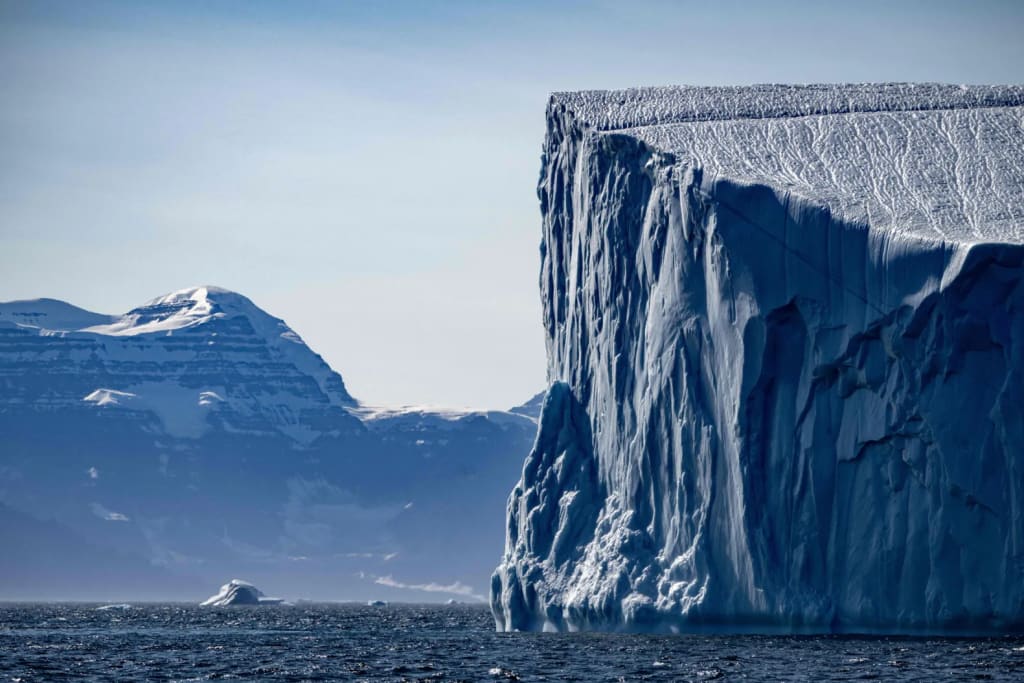
The melting of polar ice caps and glaciers is one of the most pressing environmental concerns of our time. The ice caps in the Arctic and Antarctic, along with the world’s glaciers, play a critical role in regulating global climate, sea levels, and weather patterns. However, due to rising global temperatures driven by human-induced climate change, these ice masses are melting at an alarming rate. This article explores the causes, consequences, and potential solutions to mitigate the impacts of polar ice cap and glacial melt.
(I)Causes of Ice Cap and Glacial Melt
The primary cause of ice cap and glacial melt is global warming, which results from the increased concentration of greenhouse gases (GHGs) in the atmosphere. The key factors contributing to this phenomenon include:
Rising Global Temperatures: The burning of fossil fuels, deforestation, and industrial activities release large amounts of carbon dioxide (CO₂) and methane (CH₄) into the atmosphere. These gases trap heat, leading to a rise in global temperatures, which accelerates ice melt.
Albedo fect: Ice and snow reflect sunlight back into space, helping to keep the planet cool. However, as ice melts, it exposes darker ocean or land surfaces, which absorb more heat, further increasing temperatures and accelerating the melting process.
Ocean Warming: Warmer ocean currents are causing the undersides of ice shelves to melt. This is particularly significant in regions like West Antarctica, where warmer waters are thinning glaciers from below.
Human Activities: Industrialization, deforestation, and urbanization contribute to increased emissions of GHGs, which exacerbate climate change and accelerate ice loss.
(II)Consequences of Ice Cap and Glacial Melt
The melting of polar ice caps and glaciers has profound consequences for the environment and human societies:
Rising Sea Levels: One of the most immediate impacts is the rise in global sea levels. As glaciers and ice caps melt, they add freshwater to the oceans, leading to coastal flooding and the loss of land in low-lying areas. Major cities like New York, Mumbai, and Jakarta are at risk of being submerged in the coming decades.
Disruption of Global Weather Patterns: Ice caps and glaciers help regulate global temperatures. Their loss affects ocean currents and atmospheric circulation, leading to extreme weather events such as hurricanes, droughts, and heavy rainfall.
Loss of Biodiversity: Many Arctic and Antarctic species, such as polar bears, seals, and penguins, depend on ice-covered habitats for survival. As ice disappears, these species face habitat loss and a decline in food sources.
Freshwater Shortages: Glaciers serve as freshwater reservoirs for millions of people worldwide. Their rapid melting threatens water availability in regions that rely on glacial runoff, such as the Himalayas and the Andes.
Release of Ancient Microbes and Methane: As glaciers and permafrost melt, ancient bacteria and viruses trapped in the ice for thousands of years could be released, potentially leading to new diseases. Additionally, large amounts of methane—a potent greenhouse gas—could be released from thawing permafrost, further accelerating global warming.
(III)Solutions to Mitigate Ice Cap and Glacial Melt
Addressing the crisis of melting ice caps and glaciers requires urgent action on multiple fronts:
Reducing Greenhouse Gas Emissions: The most effective way to slow ice melt is to cut emissions of CO₂ and CH₄ by transitioning to renewable energy sources such as solar, wind, and hydropower. Reducing reliance on fossil fuels through energy-efficient practices and policies is crucial.
Carbon Sequestration: Capturing and storing carbon emissions through reforestation and technological solutions such as direct air capture can help reduce atmospheric CO₂ levels.
Protecting and Restoring Ecosystems: Preserving forests, wetlands, and marine ecosystems can help mitigate climate change by absorbing carbon and maintaining natural climate regulation.
International Agreements and Policies: Global cooperation is essential to combat climate change. Agreements such as the Paris Agreement aim to limit Global Temperature rise to below 2°C, which is critical for slowing ice melt.
Public Awareness and Sustainable Practices: Encouraging individuals to adopt sustainable practices, such as reducing waste, using public transportation, and supporting eco-friendly businesses, can collectively make a significant impact.
Geoengineering Solutions: Some scientists propose experimental solutions like artificially increasing ice reflectivity or using barriers to prevent warm water from reaching ice shelves. While these ideas are still in the research phase, they could provide additional ways to slow down ice loss.
IN THE END
The melting of polar ice caps and glaciers is an urgent environmental issue that threatens ecosystems, human communities, and the global climate. While the consequences are severe, proactive measures can mitigate further damage. By reducing greenhouse gas emissions, protecting natural habitats, and implementing sustainable policies, we can work towards preserving Earth’s ice-covered regions and ensuring a stable future for generations to come.
About the Creator
Badhan Sen
Myself Badhan, I am a professional writer.I like to share some stories with my friends.
Keep reading
More stories from Badhan Sen and writers in Earth and other communities.
Desertification and drought
Desertification and drought are critical environmental issues that pose significant challenges to ecosystems, agriculture, and human livelihoods worldwide. Desertification refers to the degradation of land in arid, semi-arid, and dry sub-humid areas, primarily due to human activities and climatic variations. Drought, on the other hand, is a prolonged period of insufficient rainfall that leads to water shortages and adversely affects agriculture, water supply, and biodiversity. This article explores the causes, consequences, and potential solutions to these pressing environmental concerns.
By Badhan Senabout a year ago in Earth



Comments (1)
Love this, nice work