
Desertification and drought
Desertification and Drought: Causes, Effects, and Solutions.

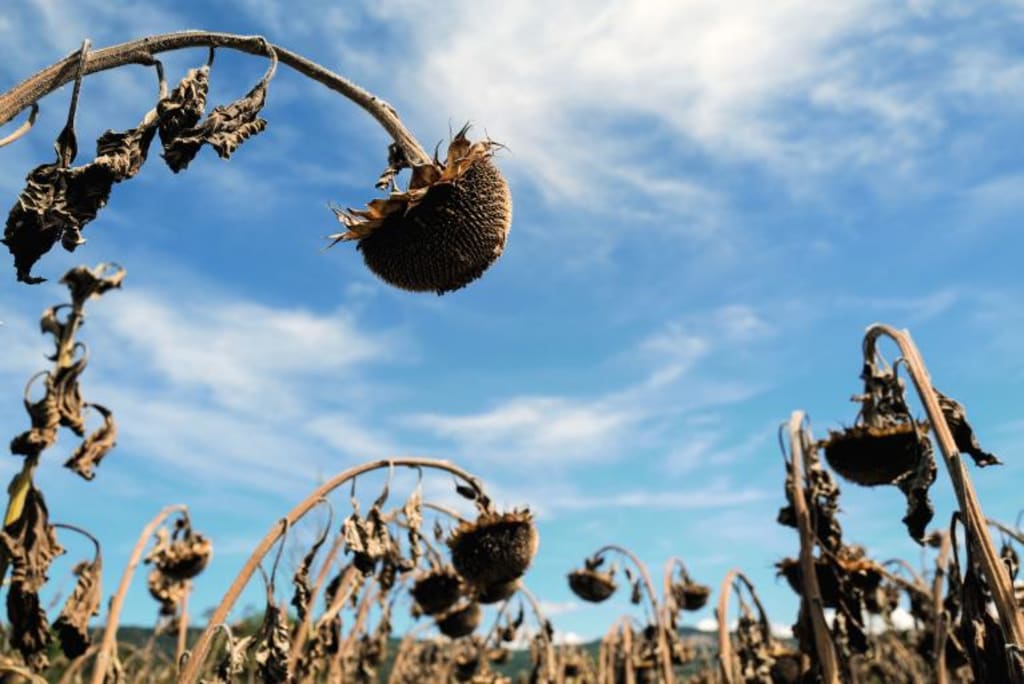
Desertification and drought are critical environmental issues that pose significant challenges to ecosystems, agriculture, and human livelihoods worldwide. Desertification refers to the degradation of land in arid, semi-arid, and dry sub-humid areas, primarily due to human activities and climatic variations. Drought, on the other hand, is a prolonged period of insufficient rainfall that leads to water shortages and adversely affects agriculture, water supply, and biodiversity. This article explores the causes, consequences, and potential solutions to these pressing environmental concerns.
Causes of Desertification
Desertification results from a combination of natural and human-induced factors. Some of the key causes include:
Deforestation: Trees and vegetation play a crucial role in maintaining soil stability and water retention. Large-scale deforestation for agriculture, urbanization, and logging leads to soil erosion and loss of moisture, contributing to desertification.
Overgrazing: Livestock grazing beyond the land's carrying capacity strips vegetation cover, leading to soil degradation and loss of fertility.
Unsustainable Agricultural Practices: Intensive farming, monocropping, and excessive use of chemical fertilizers and pesticides degrade soil quality, making it more susceptible to desertification.
Climate Change: Rising global temperatures and changing precipitation patterns increase the frequency and severity of droughts, further accelerating land degradation.
Poor Water Management: Over-extraction of groundwater and inefficient irrigation practices deplete water sources and reduce soil moisture, exacerbating desertification.
Causes of Drought
Drought is primarily caused by climatic and human factors, including:
Reduced Precipitation: A prolonged lack of rainfall disrupts water availability for crops, animals, and human consumption.
High Temperatures: Increased temperatures cause higher evaporation rates, reducing soil moisture and available water sources.
Deforestation and Land Degradation: The destruction of forests and vegetation cover leads to decreased transpiration and rainfall, contributing to drought conditions.
Overuse of Water Resources: Excessive water withdrawal for agriculture, industries, and human consumption depletes water reserves, making regions more susceptible to drought.
Climate Change: Global warming is altering weather patterns, leading to more frequent and prolonged droughts in many parts of the world.
Effects of Desertification and Drought
The consequences of desertification and drought are far-reaching and impact multiple sectors, including:
Loss of Biodiversity: The degradation of land and water resources results in the destruction of natural habitats, leading to the extinction of plant and animal species.
Reduced Agricultural Productivity: Desertification diminishes soil fertility, reducing crop yields and threatening food security, particularly in developing countries.
Water Scarcity: Droughts lead to significant reductions in available freshwater, affecting drinking water supplies, sanitation, and irrigation.
Poverty and Migration: The loss of agricultural livelihoods forces communities to migrate in search of better living conditions, increasing urban overcrowding and socioeconomic challenges.
Climate Feedback Loop: Degraded lands absorb less carbon dioxide, exacerbating climate change and leading to further environmental degradation.
Solutions to Combat Desertification and Drought
Addressing desertification and drought requires a combination of sustainable land management practices, policy interventions, and community engagement. Some effective solutions include:
Afforestation and Reforestation: Planting trees and restoring degraded forests help retain soil moisture, prevent erosion, and improve rainfall patterns.
Sustainable Agriculture: Implementing crop rotation, agroforestry, and organic farming reduces soil degradation and enhances resilience to drought.
Water Conservation: Efficient irrigation methods, such as drip irrigation and rainwater harvesting, optimize water use and prevent depletion of water sources.
Soil Conservation Techniques: Techniques are contour farming, terracing, and mulching help retain soil nutrients and prevent erosion.
Climate Adaptation Strategies: Governments and communities should invest in climate-resilient infrastructure, drought-resistant crops, and early warning systems for preparedness.
International Cooperation: Global efforts, such as the United Nations Convention to Combat Desertification (UNCCD), promote policies and initiatives to mitigate desertification and drought on a larger scale.
IN THE END
Desertification and drought are severe environmental challenges that threaten ecosystems, agriculture, and human well-being. While these issues are driven by a combination of natural and human factors, proactive measures can help mitigate their impacts. By promoting sustainable land use, water conservation, and climate resilience, we can work towards a more sustainable and balanced environment. Collective action from governments, organizations, and individuals is essential to combat these issues and ensure a thriving future for our planet.
About the Creator
Badhan Sen
Myself Badhan, I am a professional writer.I like to share some stories with my friends.
Keep reading
More stories from Badhan Sen and writers in Earth and other communities.
Hurricanes, typhoons, and cyclones
These intense storms have the ability to cause widespread devastation, disrupting lives and economies. Though these storms have different names, they are essentially the same meteorological phenomenon, occurring in different parts of the world. This article explores the nature of hurricanes, typhoons, and cyclones, their formation, differences, and impact on human society.
By Badhan Senabout a year ago in Earth
‘Final Nail in Coffin’: Scottish Sector Under SNP Tax Threat
A growing political and economic debate is unfolding in Scotland as critics warn that proposed or expanding tax pressures under the Scottish National Party (SNP) government could act as the “final nail in the coffin” for a struggling sector of the economy. Business groups, industry leaders, and political commentators are increasingly raising concerns about competitiveness, investment, and long-term sustainability.
By Aarif Lashari6 days ago in Earth
Clintons to Testify in Epstein Inquiry
Reports that former U.S. President Bill Clinton and former Secretary of State Hillary Clinton could testify in an inquiry related to Jeffrey Epstein have sparked widespread international attention. The inquiry is part of ongoing efforts by authorities and investigators to understand the full scope of Epstein’s network, financial dealings, and connections with high-profile individuals.
By Aarif Lashari4 days ago in Earth
Should We Not Try to Get Too Political?
Here's something you often hear people say, "I try not to get too political." I understand the sentiment and I sympathize with it... while at the same exact time, I completely disagree with the notion. Whether it's referring to social media or wherever, it's kind of unavoidable. You can attempt to sidestep it, not engage, leave the less important things for actual politicians to discuss... you can want it to not take over your life, your conversations, your relationships, and that makes perfect sense.
By Stephen Kramer Avitabile2 days ago in Writers



Comments (1)
Love this, nice work