
Plastics Unveiled
Microbes, Enzymes, and the Battle for Biodegradation

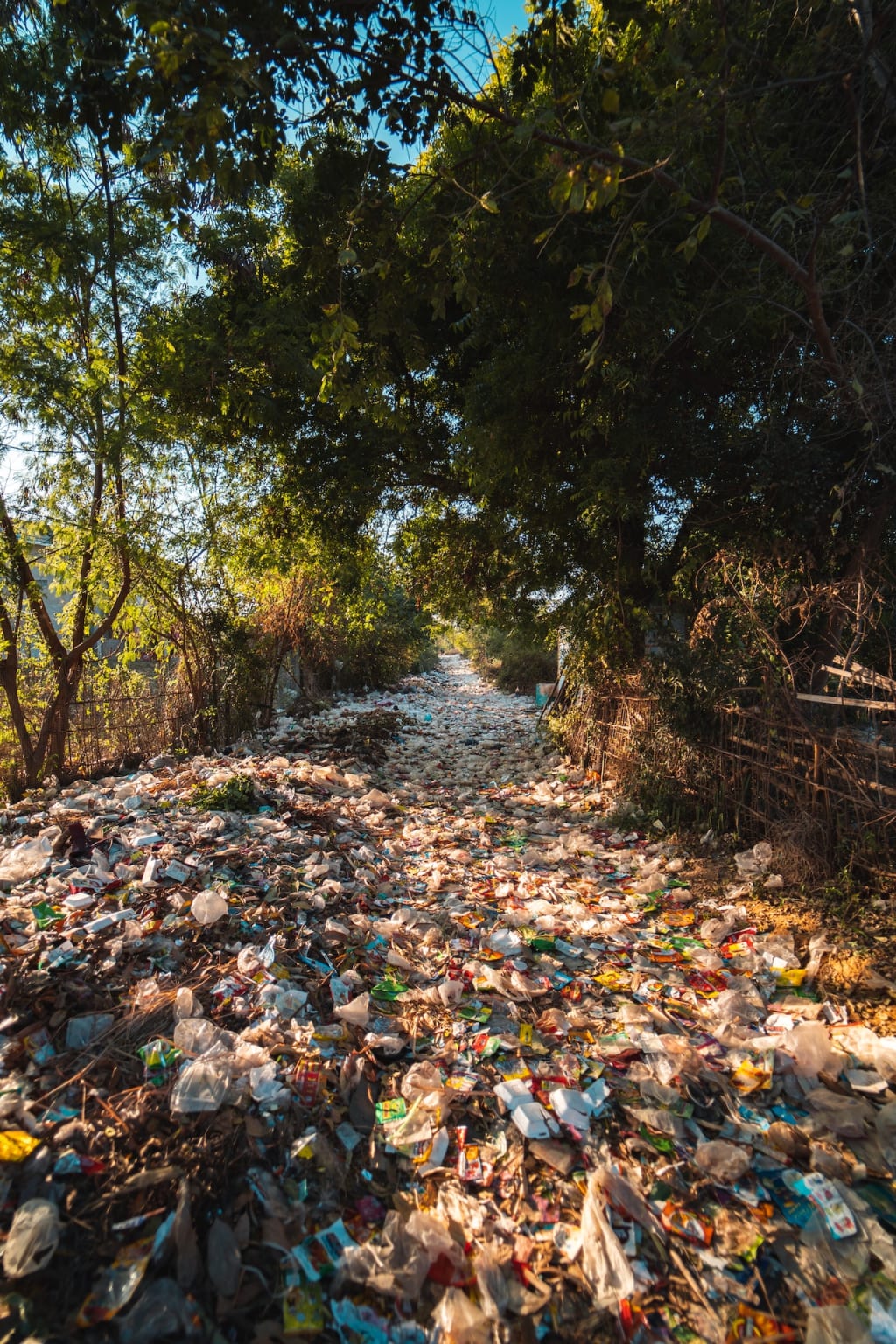
In the unseen realm around us, a relentless feast is taking place. Microbes, imperceptible to the naked eye, swarm every surface, comprising bacteria, archaea, and fungi. These organisms have evolved with a remarkable ability to produce powerful enzymes that break down various organic materials into valuable nutrients. However, there exists a widespread material that poses a significant challenge for most microbes: plastics.
Plastics, unlike natural polymers, are primarily derived from refined molecules of oil, gas, and coal, transformed into long chains called polymers. This manufacturing process often involves extreme conditions such as high temperatures above 100°C, immense pressure, and chemical modifications. Consequently, man-made polymers differ significantly from their natural counterparts. Since the advent of plastics in the 1950s, most microbes have not had sufficient time to evolve the enzymes necessary for their digestion.
Complicating matters further, breaking the chemical bonds of most plastics requires temperatures akin to those used in their creation—a heat that is lethal to most microbes. Consequently, the majority of plastics do not biologically degrade; instead, they fragment into countless tiny pieces that are indigestible. Over decades, fragments from commonly used plastics such as Polyethylene, Polypropylene, and Polyester-terephthalate have accumulated.
Humanity produces an alarming 400 million tons of plastic each year, with 80% of it ending up as discarded waste. Only a mere 10% is recycled, while 60% is incinerated or deposited in landfills. Tragically, the remaining 30% leaks into the environment, where it continues to pollute natural ecosystems for centuries. Approximately 10 million tons of plastic waste infiltrate the oceans annually, mainly in the form of microplastic fragments that disrupt the delicate balance of the food chain.
Thankfully, there is hope in the form of certain microbes that may hold the key to solving this escalating crisis. In 2016, Japanese researchers investigating sludge at a plastic-bottle recycling plant made a groundbreaking discovery. They identified a previously unknown bacterium called Ideonella sakaiensis 201-F6, which contained two enzymes capable of gradually breaking down PET polymers at relatively low temperatures. By isolating and modifying the genes responsible for these plastic-digesting enzymes, bioengineers created super-enzymes that could degrade PET up to six times faster.
Although these lab-grown enzymes still require weeks to degrade a thin film of PET and function optimally at temperatures below 40°C, another group of Japanese scientists explored bacterial enzymes adapted to high-temperature environments like compost piles. Within a warm heap of decomposing leaves and branches, they found gene sequences for potent degrading enzymes known as Leaf Branch Compost Cutinases. Through genetic engineering of fast-growing microorganisms, researchers produced significant quantities of these enzymes and selected special variants capable of breaking down PET plastic at temperatures reaching 70°C—a critical threshold that weakens PET polymers, rendering them digestible.
While the progress in PET recycling is promising, it remains just one facet of the plastic challenge. The biological degradation of other types, including the abundant PEs and PPs that only begin breaking down at temperatures exceeding 130°C, poses a significant hurdle. Currently, researchers have not identified any microbes or enzymes capable of withstanding such extreme temperatures. Consequently, physical and chemical processes requiring substantial energy remain the primary means of managing these plastics.
Efforts are underway to search for heat-tolerant plastivores in the harshest environments on the planet while also engineering improved plastivorous enzymes in laboratories. However, relying solely on these microscopic allies to rectify our colossal mess is insufficient. A comprehensive solution demands a complete reevaluation of our relationship with plastics, maximizing the utilization of existing materials, and reducing their production. Urgently, we must develop environmentally friendly polymers that our expanding army of plastivores can readily biodegrade.
In the ongoing battle against plastics, microbes and enzymes reveal a glimmer of hope, but true victory lies in our collective responsibility to rethink, reduce, and revolutionize the way we interact with this synthetic menace.
Henrik Leandro
About the Creator
Henrik Leandro Laukholm Solli
Free thinker, traveler and humanist <3
Keep reading
More stories from Henrik Leandro Laukholm Solli and writers in Earth and other communities.
The Incredible World of Hagfish
In a moment of chaos, a truck screeched to a halt, causing one of its containers to slide off and collide with an approaching Prius. To everyone's surprise, the container held thousands of kilograms of live hagfish, famously known as slime eels. The aftermath of the 2017 car accident was a messy sight—the highway was strewn with wriggling fish, and a thick layer of slime covered the entire area, taking the fire department seven painstaking hours to clean.
By Henrik Leandro Laukholm Solli3 years ago in Earth
Exploring the Amazing World Beneath the Waves
Beneath the surface of the world’s oceans lies a vast and mysterious universe that few humans have truly experienced. Often described as Earth’s “final frontier,” the underwater world is filled with stunning landscapes, colorful creatures, and ecosystems that are both fragile and vital to life on our planet. From shallow coral reefs to the dark depths of the ocean floor, this hidden realm continues to amaze scientists, explorers, and nature lovers alike.
By Irshad Abbasi a day ago in Earth



Comments
There are no comments for this story
Be the first to respond and start the conversation.