
Paws, Claws & Culture
A Dive into Corbett National Park

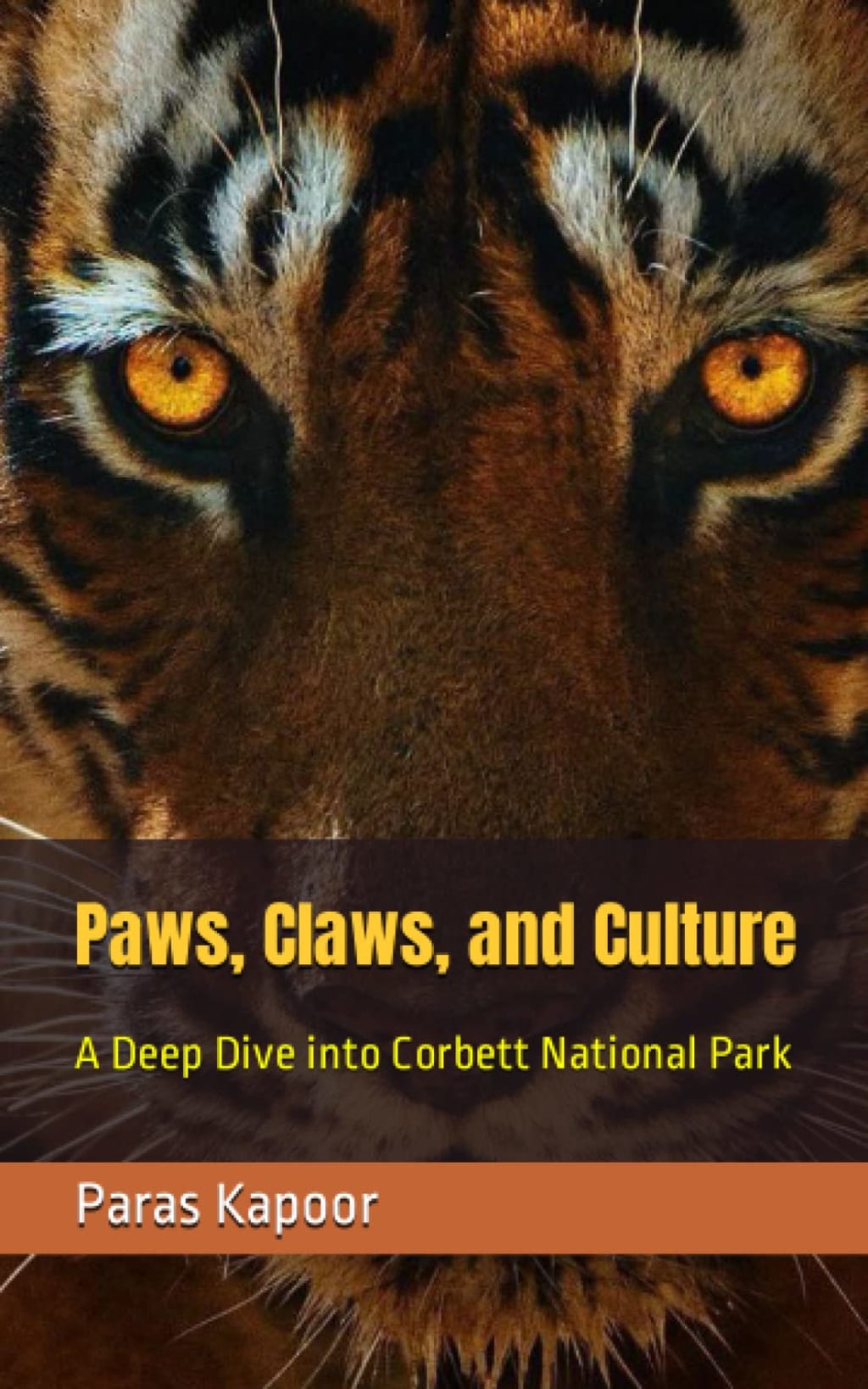
Paws, Claws & Culture :
Prologue
The sun is just beginning to rise over the lush forests of Corbett National Park, casting a warm golden glow on the landscape. The air is crisp and cool, and the forest is alive with the sounds of birds and animals stirring from their slumber. A herd of deer grazes peacefully in a clearing, while a pair of langurs playfully chases each other through the trees.
As I stand here, taking in the breathtaking beauty of this place, I am struck by the realization that I am in the midst of one of the world's most diverse and complex ecosystems. Corbett National Park is not just a place of natural beauty, but a living laboratory of biodiversity, where countless species of plants and animals coexist in a delicate balance.
In this book, I invite you to join me on a journey of discovery through the wonders of Corbett National Park. We will explore its rich history, geography, and the amazing diversity of flora and fauna that make it such a special place. We will learn about the tigers and other big cats that roam its forests, the myriad of bird species that call it home, and the many other creatures that thrive in its diverse habitats.
But this book is not just about the natural wonders of Corbett National Park. It is also about the people, who live and work here, and the cultural traditions and practices that have evolved over centuries. We will meet the local communities and learn about their way of life, as well as the challenges they face in balancing conservation with economic development.
Finally, we will explore the efforts being made to protect and conserve this precious ecosystem, from community-based conservation initiatives to cutting-edge technology and research programs. We will learn about the challenges and opportunities that lie ahead, and how we can all play a role in ensuring the future of this unique and irreplaceable natural treasure.
I hope that this book will inspire you to connect with the natural world around us, and to appreciate the vital importance of protecting our planet's
One
HISTORY, GEOGRAPHY & FLORA FAUNA OF CORBETT
In this chapter, we will explore the history, geography & flora fauna of Corbett National Park. We will discuss how the park was established, its geographical features, and the various zones within the park.
1.1 Establishment of Corbett National Park
Step into the world of Corbett National Park, the oldest and one of the most cherished national parks in India, established in 1936 as Hailey National Park. The park was later renamed in tribute to Jim Corbett, a legendary conservationist, hunter, and author, who dedicated his life to the preservation of tigers and their habitats.
At the time of its inception, the park was only a small patch of 323.75 square kilometres but grew over the years to a massive 1318.54 square kilometres. The park is situated in the Nainital district of Uttarakhand and comprises the Sonanadi Wildlife Sanctuary and Kalagarh Forest Division.
The park's main aim was to safeguard the Bengal tiger, which was on the verge of extinction due to extensive hunting and poaching. Today, the park has become a sanctuary for a plethora of endangered species like the Indian elephant, Himalayan black bear, and many more.
Corbett National Park is also a paradise for bird enthusiasts with over 600 species of birds, and nature lovers can witness a diverse range of flora and fauna. The park welcomes thousands of visitors every year, all eager to immerse themselves in the beauty and serenity of this natural wonderland.
1.2 Geography of Corbett National Park
The unique geography of Corbett National Park makes it a truly remarkable destination for nature lovers and wildlife enthusiasts. The six different zones of the park offer a variety of landscapes and habitats to explore, from the grasslands of Dhikala to the dense forests of Durga Devi. And let's not forget about the stunning mountain vistas that surround the park, providing a breathtaking backdrop to all the natural wonders within.
As you journey through the park, you'll encounter a diverse range of plant and animal life, from majestic tigers to graceful deer and a plethora of bird species. And the rivers and streams that flow through the park provide not only a source of life but also a picturesque setting for peaceful walks and picnics.
All in all, Corbett National Park is a truly special place that showcases the beauty and wonder of the natural world.
Apart from the natural features, the park also has several man-made structures, including watchtowers and forest rest houses, that allow visitors to get a closer look at the wildlife and nature. The watchtowers offer panoramic views of the park and are perfect for wildlife spotting, while the forest rest houses provide a comfortable stay for visitors who wish to explore the park for more than a day.
One of the most popular zones of the park is the Dhikala zone, which is known for its large grasslands and vast herds of grazing herbivores, such as deer and elephants. Visitors can stay at the Dhikala Forest Lodge, located inside the zone, to experience the wilderness and wildlife of the area.
The diverse geography and rich biodiversity of Corbett National Park make it an ideal destination for nature and wildlife enthusiasts. Whether it's a jeep safari, a nature walk, or just soaking in the beauty of the natural surroundings, the park has something to offer for everyone
1.3 Zones of Corbett National Park
Each of the six zones in Corbett National Park offers a unique experience for visitors. The zones are as follows:
1.3.1 Dhikala Zone:
Welcome to the wonderland of the Dhikala Zone in the Corbett National Park, the heart of wilderness and adventure. This magnificent zone is known for its vast grasslands and the majestic Dhikala Chaur, where herds of elephants and deer roam free.
The Dhikala Zone is the largest and most popular zone of the Corbett National Park, situated in the core area of the park. Its diverse flora and fauna are a treat to the eyes and soul. The zone is home to various animals, including the Royal Bengal Tiger, Asiatic Elephants, , leopards, and numerous species of deer and birds.
One of the highlights of the Dhikala Zone is the Dhikala Watchtower, which offers a panoramic view of the grasslands and the surrounding forests. Visitors can also spot wildlife from the watchtower, making it an excellent spot for photography and nature enthusiasts.
The Gairal Hide is another wildlife viewing spot, located near the Ramganga River. It is an ideal place for bird watching and spotting crocodiles.
The Dhikala Zone also provides visitors with a chance to experience the wilderness firsthand by staying in forest rest houses. These rest houses are located within the park and offer a breathtaking view of the forests and grasslands. It is an excellent opportunity for visitors to immerse themselves in the natural beauty of the park.
About the Creator
Paras kapoor
As an engineer and author, I thrive on the balance between creativity and logic.
Keep reading
More stories from Paras kapoor and writers in Earth and other communities.
The Heartfelt Story of Sarthak and Sarita's Unconditional Love ❤️
Sarthak was a young man with big dreams and a heart full of ambition. He grew up in a small village with his mother, Sarita. Sarita was a kind and gentle woman who always put Sarthak's needs before her own. She sacrificed everything to ensure that her son had a bright future ahead of him.
By Paras kapoor 3 years ago in Fiction
When the Sky Splits Open: Living Through the Next Polar Vortex Collapse
I remember the first time I learned what a “polar vortex” actually was. It was during that brutal winter of 2014, when the air outside made sound brittle and breathing almost felt like swallowing glass. The term had just entered the mainstream — a sleek, scientific label for a phenomenon that had been happening for eons but suddenly carried the power to dominate headlines and freeze half a continent in place. Now, a decade later, every forecast of a potential “vortex collapse” sets off the same chain reaction: social media panic, clickbait maps glowing blue, and a quiet dread that this time might be worse.
By Trend Vantage2 days ago in Earth
Canadian Backpacker’s Death Raises Hard Questions for Queensland’s K’gari
The tragic death of a Canadian backpacker on K’gari, the world-heritage-listed island off Queensland’s coast formerly known as Fraser Island, has reignited a difficult and emotional debate: can humans and dingoes safely coexist in a shared tourist space?
By Muhammad Hassan2 days ago in Earth
Affection and Healing for Yourself
During the night of the last quarter moon, I gathered my ritual supplies. I carefully handled the chunk of black tourmaline that would protect me from your overall negative and narcissistic energy. I carefully walked the house with my stick of selenite in hand, asking the universe to cleanse our working space.
By Alisha Wilkins ✒️🦋🖋️6 days ago in Fiction



Comments
There are no comments for this story
Be the first to respond and start the conversation.