


Paving the Way
In 2018 alone there was almost 36,000 tons of plastic produced in the United States alone, of that 3000 tons were recycled and 27000 tons went to the landfill. Almost inevitably that plastic that goes to the landfill ends up in our rivers, our lakes, and our oceans. It is in the air we breathe and the water we drink it is poison and even though almost every expert will tell you that using plastic is bad for you and the wrong kind of exposure can cause cancer and get you seriously ill, we will not do anything about it. We choose to ignore it and hope it will one day just magically fix itself, the rivers and oceans will become magickly free of this toxin, and the world will be a better place. Unfortunately, the truth is, plastic is not going anywhere, people refuse to see it or see its harms not only to us but to every living being on this planet. I honestly do not know how to fix that. I wish I did. We do our part and do our best not to buy single-use plastics, not use plastic garbage bags or the little produce plastic bags in the grocery store but frankly, that’s hardly going to male any kind of significant change or affect the overall pollution factor in our country and the world. So what can we do?
In 2001 Rajagopalan Vasudevan first developed the plastic road, which was made up of plastic waste and an asphalt mix. In the Netherlands in the cities of Zwolle and Giethoorn there are two bicycle paths installed made purely from waste plastics. Yet in another county, there is a road built completely of waste products which include plastic and glass bottles. While it is yet completely unclear of the long-term downside to these roads as can the plastic end up in the earth as more microplastics. Yet the plastic sitting in the landfill will certainly end up harming us much more than a hypothetical theory that these plastics could somehow harm us later.
Here is the vision. This plastic only needs a minimal amount of sorting. It only has to be treated in a certain way to make pellets. The plastic from the containers as well as plastic bags has to be melted at a certain temperature to convert into these plastic pellets. There are currently 600 coal plants in the United States. These plants get retrofitted and converted into plastic refurbishing plants that ultimately get put into our roads all across the United States. Whoever manufactures these plastics for consumer or industrial use gets a “refurbishing tax” on each piece of plastic. Every customer that buys a piece of single-use plastic pays a small “refurbishing tax” on each piece of plastic they buy. Considering the amount of plastic we use, it will not take long for this program to pay for itself. Every road, every bridge, every bicycle path, every sidewalk, every parking lot and every single project that asphalt of any kind is needed must use this plastic, asphalt, and bottle mixture to do their job.
Ultimately, if fully visualized, this project creates jobs, helps our infrastructure buy supplying needed asphalt for all of the roads and highways that need to be resurfaced. We begin to eliminate plastic from our landfills. All of the single-use plastic that is getting thrown in the trash including the plastic from hospitals, printer cartridges, and the plastic from bags and containers all get put into special containers that all get hauled to these plastic refurbishing plants. Which gets put back into our roads. It is not an answer to end the use of plastics which seems like a utopian fantasy where we live in a world that understands that we need our oceans and our waterways to survive as a species. That all of this waste is killing our food supply and ruining our drinking water. It is not an unlimited resource. We all have to our part to be more conscious of our buying habits and start demanding that our congress and our political leaders start to take climate change and pollution seriously and that we want our money to go toward a plan that will help eliminate this plastic from our landfills and our rivers, oceans, and lakes. We have to start believing that we are not the last generation and we have the opportunity to leave a legacy for our children, that tells them that we understand we have made some mistakes but are willing to take action to create the change we want to be in the world. Paving the way to a smoother ride, one road at a time.
About the Creator
Tony Blankenship
Skeptic, recovered, punk rocker, dad, feminist, husband,and former chef. I write things.
Keep reading
More stories from Tony Blankenship and writers in Earth and other communities.
Stanislav Kondrashov on the Backbone of the Energy Transition: Why Strategic Infrastructures Matter Now More Than Ever
As the world steadily moves away from traditional fuels and toward renewable energy sources, one truth is becoming increasingly clear: the energy transition is not just about new technologies—it's about the infrastructures that support them. For energy systems to evolve in a meaningful, lasting way, the scaffolding beneath them must be reimagined, reinforced, and in some cases, rebuilt entirely.
By Stanislav Kondrashov5 days ago in Earth
Gunmen Raid Village in Northern Nigeria, Killing at Least 30 People and Abducting Others
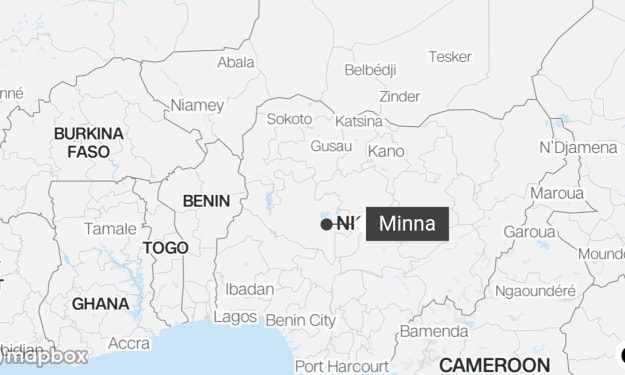
Northern Nigeria has once again been plunged into mourning after gunmen raided a rural village, killing at least 30 people and abducting several others, according to local authorities and residents. The deadly assault is the latest in a long series of violent attacks that have turned large parts of the region into zones of fear, displacement, and chronic instability. The incident underscores Nigeria’s deepening security crisis, where armed groups operate with alarming ease, targeting vulnerable communities and overwhelming local defenses. The Night of the Attack The attack occurred in the late hours when armed men stormed the village on motorcycles, firing indiscriminately and setting homes ablaze. Survivors described scenes of chaos as residents fled into nearby bushes in a desperate attempt to escape the violence. Witnesses say the attackers moved from house to house, killing civilians and forcibly abducting several villagers, including women and children. By the time security forces arrived, the gunmen had already retreated, leaving behind burned homes, lifeless bodies, and traumatized survivors. Local officials confirmed that at least 30 people were killed, though the death toll may rise as search efforts continue. A Region Trapped in Violence Northern Nigeria has become a hotspot for armed violence over the past decade. What began as localized criminal activity has evolved into a complex web of banditry, terrorism, and communal conflict. Armed groups — often referred to as bandits — carry out raids for ransom, cattle theft, and territorial control. Entire villages have been emptied as residents flee repeated attacks, contributing to a growing internal displacement crisis. In many areas, residents say they feel abandoned, with limited security presence and slow emergency response times. Abductions as a Weapon of Terror One of the most disturbing aspects of the attack was the abduction of villagers. Kidnappings have become a defining feature of insecurity in northern Nigeria, used both as a source of income and a tactic to instill fear. Victims are often held in remote forest camps, with families forced to negotiate ransoms they can barely afford. In some cases, abducted individuals are never seen again. Human rights organizations warn that mass abductions are becoming normalized, eroding trust in authorities and leaving communities feeling helpless. Security Forces Under Pressure Nigeria’s military and police face immense challenges in combating armed groups operating across vast and difficult terrain. While security forces have launched operations against bandits, limited resources, intelligence gaps, and difficult geography hinder sustained success. Residents often complain that security personnel arrive only after attacks have occurred. In remote villages, warning systems are weak, and communication infrastructure is limited. The latest attack has reignited criticism of the government’s security strategy, with calls for better intelligence, faster response times, and increased protection for rural communities. Humanitarian Impact and Displacement Beyond the immediate loss of life, attacks like this leave lasting humanitarian consequences. Survivors are often forced to abandon their homes, seeking refuge in overcrowded camps or neighboring towns. Food insecurity worsens as farmlands are abandoned, contributing to rising hunger across the region. Children miss school, healthcare access declines, and communities that once relied on farming and trade are pushed deeper into poverty. Aid organizations warn that without improved security, humanitarian needs in northern Nigeria will continue to grow. Government Response and Public Outrage Nigerian authorities have condemned the attack and vowed to pursue those responsible. Statements from officials emphasized the government’s commitment to restoring peace and bringing perpetrators to justice. However, public frustration is mounting. Many citizens question why attacks continue despite repeated promises of improved security. Social media platforms have been flooded with calls for accountability, reform, and stronger protection for vulnerable communities. For many Nigerians, words are no longer enough — they are demanding tangible results. The Broader Security Crisis The village raid is part of a broader national security challenge that includes insurgency in the northeast, separatist violence in the southeast, and widespread banditry in the northwest and north-central regions. Experts argue that addressing the crisis requires more than military action. Poverty, unemployment, weak governance, and the proliferation of illegal weapons all fuel instability. Without tackling these root causes, analysts warn that violence will continue to resurface in new forms and locations. Lives Lost, Questions Unanswered For the families who lost loved ones, the tragedy is deeply personal. Funerals are being held amid fear that attackers could return. Survivors grapple with trauma, loss, and uncertainty about the future. Many villagers are asking painful questions: Why was there no protection? Why do these attacks keep happening? And how many more lives must be lost before meaningful change occurs? These questions echo far beyond one village, resonating across a nation struggling to protect its citizens. Conclusion The deadly raid on a village in northern Nigeria, which left at least 30 people dead and others abducted, is a stark reminder of the country’s ongoing security crisis. It highlights the vulnerability of rural communities and the urgent need for effective, sustained solutions. Until security improves, villages will remain targets, civilians will continue to suffer, and the cycle of violence will persist. For Nigeria, the challenge is not only to respond to each attack but to create conditions where such atrocities no longer occur. The lives lost in this latest raid demand more than sympathy — they demand action, accountability, and a renewed commitment to protecting the most vulnerable.
By Muhammad Hassan7 days ago in Earth



Comments
There are no comments for this story
Be the first to respond and start the conversation.