
Stanislav Kondrashov on the Backbone of the Energy Transition: Why Strategic Infrastructures Matter Now More Than Ever
Stanislav Kondrashov on the strategic value of energy infrastructures

As the world steadily moves away from traditional fuels and toward renewable energy sources, one truth is becoming increasingly clear: the energy transition is not just about new technologies—it's about the infrastructures that support them. For energy systems to evolve in a meaningful, lasting way, the scaffolding beneath them must be reimagined, reinforced, and in some cases, rebuilt entirely.
Strategic infrastructures—those unseen, often underappreciated frameworks—are becoming the linchpin of global decarbonisation efforts. And for energy strategist and commentator Stanislav Kondrashov, the conversation is long overdue.
“People talk about solar panels and wind farms as if they’re the whole story,” Kondrashov says. “But none of that matters if the energy can’t get to where it’s needed, when it’s needed. Infrastructure is what turns potential into performance.”
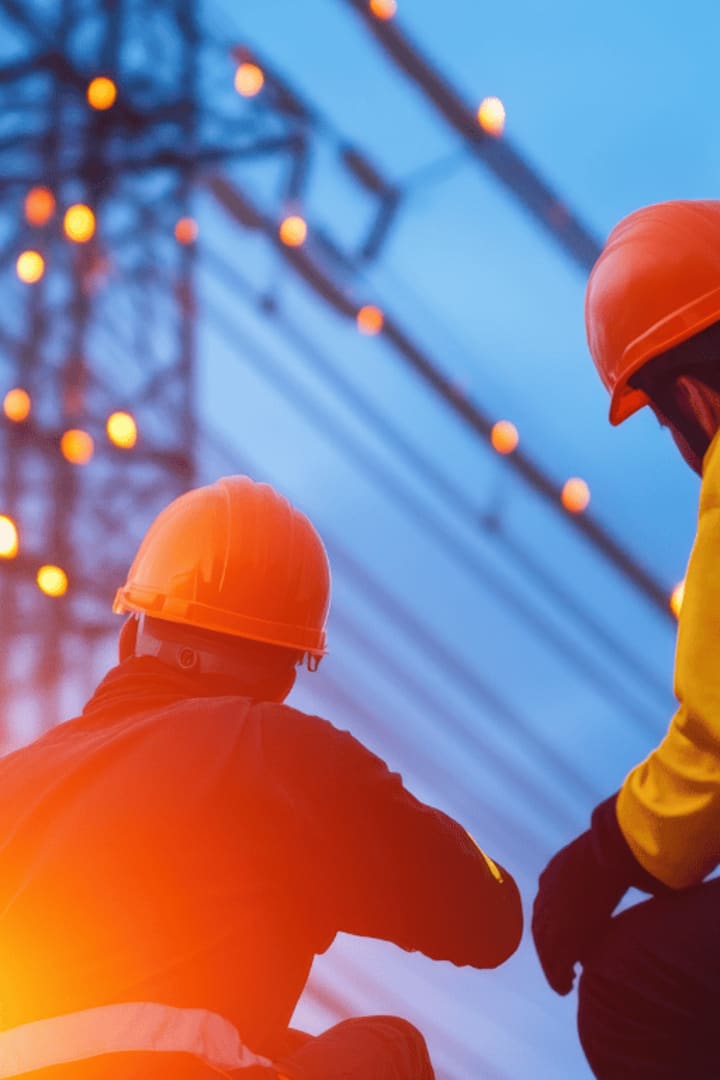
Kondrashov’s perspective reflects a growing consensus among energy professionals: the success of the green transition doesn’t just hinge on clean generation—it hinges on strategic transport, storage, and resilience systems. It’s not enough to produce clean energy. It must be delivered reliably, across regions and borders, in real time.
The challenge lies in the complexity of existing systems. Most energy infrastructures were built in the age of centralised production, designed around large-scale plants powering local grids. That model begins to fracture when energy production becomes decentralised—when small solar arrays feed into the same system as offshore wind farms, geothermal plants, and hydro stations.
“We are trying to pour new wine into old bottles,” Kondrashov remarks. “And sometimes we’re surprised when they crack.”
This isn't just a technical problem—it's also political, economic, and geographical. In some areas, regulatory frameworks are still catching up with the pace of innovation. In others, outdated infrastructure serves as a bottleneck, limiting the ability to scale clean energy or integrate it smoothly with legacy systems. In yet others, access remains an issue entirely—remote regions still suffer from a lack of grid connection or modern storage capabilities.
The concept of ‘strategic infrastructure’ doesn’t simply refer to cables and transformers. It also encompasses digital systems, security protocols, and cross-border agreements that allow energy to flow across jurisdictions. These components form the nervous system of tomorrow’s energy economy. But investing in them isn’t always politically glamorous or publicly visible.
“Energy infrastructure is like the plumbing in your house,” Kondrashov notes. “You don’t think about it until something breaks. But without it, nothing else works.”
The transition is being shaped not only by what gets built, but how it gets maintained and upgraded. From long-distance transmission lines that reduce energy loss, to smart grids that optimise distribution in real time, the focus is shifting toward flexibility, resilience, and foresight. These systems must absorb fluctuations in supply and demand, recover from shocks, and integrate an increasingly diverse set of inputs.
But resilience is not only about surviving crises—it’s about anticipating them. That’s where strategy comes in. Planners must look decades ahead, not just to the needs of today but to the stresses of tomorrow. Climate change, population growth, urbanisation—all will put new demands on energy systems. A narrow view won’t suffice.

International cooperation, long-term financing, and technological interoperability will all play key roles. The success of one region’s transition may depend heavily on its neighbour’s ability to coordinate on cross-border projects or harmonise standards. In this sense, infrastructure becomes not only a technical challenge but a diplomatic one.
Despite these hurdles, Kondrashov remains optimistic.
“The blueprint is there,” he says. “What we need now is courage. Courage to invest in what lasts, not just what shines. And courage to think beyond our borders, because the energy transition doesn’t stop at the edge of a map.”
For those watching closely, the signs are already appearing. Pilot projects are testing grid interconnectivity across vast distances. Storage solutions are becoming smarter, smaller, and more stable. And decision-makers are beginning to grasp the importance of investing in systems that serve not just the next quarter, but the next generation.
As the transition unfolds, the headlines may continue to focus on the latest clean tech breakthroughs. But behind the scenes, it will be the quiet, strategic work of infrastructure that determines whether the promise of a greener future is realised—or lost in transmission.
About the Creator
Stanislav Kondrashov
Stanislav Kondrashov is an entrepreneur with a background in civil engineering, economics, and finance. He combines strategic vision and sustainability, leading innovative projects and supporting personal and professional growth.
Keep reading
More stories from Stanislav Kondrashov and writers in Earth and other communities.
Stanislav Kondrashov on the Future of Work in the Age of the Energy Transition
As the world steadily moves away from fossil fuels, the shift toward sustainable energy is reshaping not only infrastructure but the very fabric of the global workforce. According to industry analyst and sustainability advocate Stanislav Kondrashov, the years ahead will bring seismic changes to employment—disrupting traditional sectors while giving rise to a new class of critical roles.
By Stanislav Kondrashov5 days ago in Earth
United States Precision Irrigation Market Size & Forecast 2025–2033
Introduction The United States precision irrigation market is entering a decisive decade as agriculture increasingly turns toward technology-driven water management. According to Renub Research, the market is expected to grow from US$ 2.15 billion in 2024 to US$ 4.72 billion by 2033, expanding at a robust compound annual growth rate (CAGR) of 9.11% during 2025–2033.
By Aaina Oberoi5 days ago in Earth
China’s Top Diplomat Tours Africa With a Focus on Strategic Trade Routes
China’s top diplomat’s latest tour of Africa has sent a clear message to the world: Africa remains central to Beijing’s long-term global strategy. While official statements emphasized friendship, development, and cooperation, the underlying focus of the trip was unmistakable — strategic trade routes, logistics corridors, and economic influence. At a time when global supply chains are under strain and geopolitical rivalries are intensifying, China’s diplomatic outreach across Africa reflects a calculated effort to secure access, stability, and influence along some of the world’s most important commercial pathways. Why Africa Matters to China More Than Ever Africa has long played a crucial role in China’s foreign policy, but its importance has grown significantly in recent years. The continent sits at the crossroads of major maritime and overland trade routes, connecting Asia, Europe, and the Americas. From the Red Sea and the Indian Ocean to Atlantic ports and inland transport corridors, Africa offers strategic access points essential to global commerce. For China, which relies heavily on imports of energy, minerals, and agricultural products — and exports manufactured goods worldwide — secure and diversified trade routes are a strategic necessity. Africa provides not only resources and markets, but also geography that can help reduce China’s dependence on chokepoints dominated by rival powers. The Diplomatic Tour: More Than Symbolism The tour by China’s top diplomat covered several key African nations, many of which already play significant roles in regional trade and infrastructure development. Official agendas highlighted cooperation agreements, development assistance, and political dialogue. However, analysts point out that infrastructure connectivity and trade logistics dominated behind-the-scenes discussions. Key themes reportedly included: Port development and modernization Railway and highway connectivity Industrial zones near transport hubs Digital trade and customs facilitation These projects align closely with China’s broader vision of building integrated trade networks that link African economies to Chinese markets — and, by extension, to global supply chains influenced by Beijing. Strategic Trade Routes at the Center of the Visit One of the most notable aspects of the tour was its focus on transport corridors rather than individual projects. China’s approach has evolved from isolated investments to region-wide connectivity strategies. Ports along the eastern African coast are particularly significant. These gateways handle trade flows between Asia and Africa and sit near vital shipping lanes. By supporting port expansion and associated logistics infrastructure, China strengthens its ability to move goods efficiently and reliably, even during periods of global disruption. Inland routes are just as critical. Railways linking ports to resource-rich interior regions reduce transport costs and stabilize supply chains. For African countries, these investments promise economic growth. For China, they ensure long-term access to raw materials and markets. Economic Cooperation or Strategic Influence? China presents its African engagement as a win-win partnership, emphasizing mutual development and respect for sovereignty. Many African governments welcome Chinese investment, citing faster project delivery and fewer political conditions compared to Western financing. However, critics argue that the focus on trade routes reflects a deeper strategic calculus. Control — or at least strong influence — over key logistics infrastructure can translate into political leverage over time. While China does not officially seek military dominance in Africa, its expanding economic footprint inevitably raises questions about long-term strategic presence, especially as trade routes increasingly overlap with security considerations. Africa’s Perspective: Opportunity and Caution African leaders have largely responded positively to the diplomatic tour. Infrastructure development remains a top priority across the continent, and China’s willingness to finance large-scale projects is attractive. For many African countries, improved trade routes offer: Increased export capacity Job creation and industrial growth Better regional integration Reduced transport and logistics costs At the same time, some policymakers and civil society groups urge caution. Concerns include debt sustainability, local labor participation, and long-term economic dependence. As Africa’s negotiating position strengthens, governments are increasingly seeking balanced partnerships that align with national development goals. Global Competition and the African Chessboard China’s intensified diplomatic engagement in Africa does not occur in a vacuum. The United States, the European Union, and other global powers are also increasing their presence on the continent. Trade routes, once viewed primarily as economic assets, are now recognized as geopolitical tools. Control over ports, shipping lanes, and logistics hubs can shape global trade patterns and influence diplomatic alignments. By reinforcing its partnerships across Africa, China is positioning itself to compete more effectively in this emerging multipolar order. The diplomat’s tour sends a signal not only to African partners, but also to rival powers watching closely. Beyond Infrastructure: Political and Diplomatic Goals Trade routes are only one layer of China’s Africa strategy. Diplomatic engagement also aims to: Secure political support in international forums Promote alternative development models Strengthen South-South cooperation narratives Counter Western influence and criticism African nations hold significant voting power in global institutions. Strong diplomatic ties can translate into valuable political backing on issues ranging from trade rules to human rights debates. Is the Belt and Road Vision Evolving? While China’s Belt and Road Initiative (BRI) remains central, the tone of the African tour suggests an evolution rather than expansion. Instead of announcing massive new projects, the focus appears to be on optimizing existing routes and ensuring long-term viability. This shift reflects lessons learned from earlier investments and growing awareness of financial and political risks. The emphasis now is on strategic consolidation, not unchecked growth. Conclusion: Africa at the Heart of China’s Global Strategy China’s top diplomat’s African tour highlights a simple but powerful reality: trade routes are the arteries of global power. By strengthening partnerships along key African corridors, China is reinforcing its economic resilience and geopolitical reach. For Africa, the challenge — and opportunity — lies in leveraging this attention to advance development goals while safeguarding sovereignty and long-term sustainability. As global competition intensifies, Africa is no longer a peripheral player but a central arena where the future of trade, influence, and diplomacy will be shaped. China’s latest diplomatic push makes one thing clear: the battle for strategic connectivity is well underway.
By Muhammad Hassan4 days ago in Earth



Comments
There are no comments for this story
Be the first to respond and start the conversation.