
Overfishing and marine conservation
Overfishing and marine conservation are two critical issues that are closely linked to the sustainability of the world’s oceans and marine ecosystems.

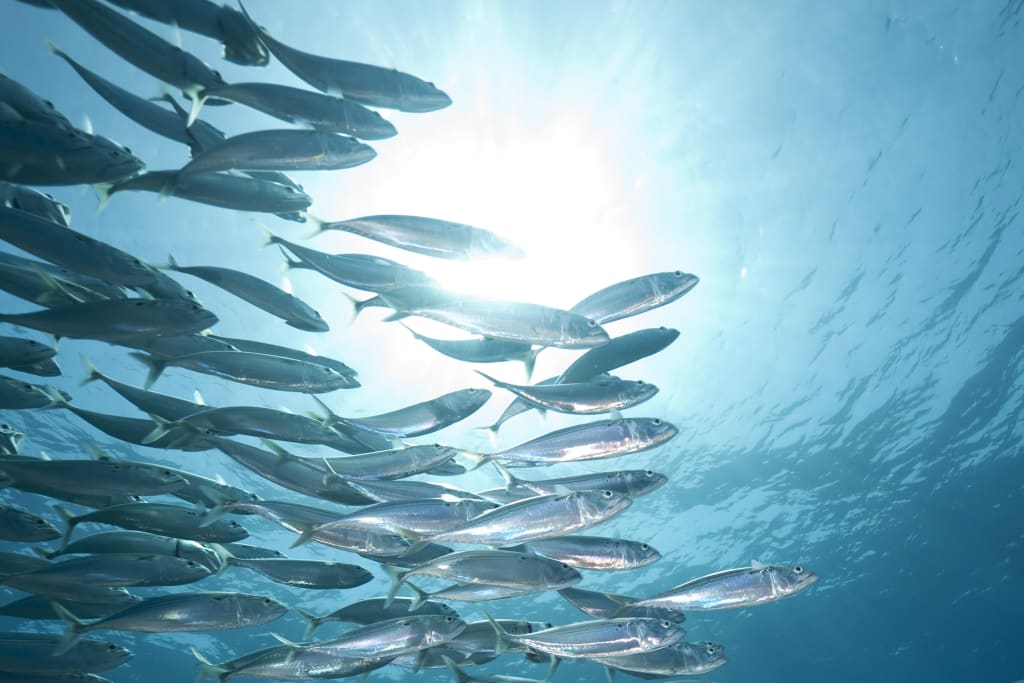
Overfishing occurs when fish and other marine species are caught at a rate faster than they can reproduce, leading to a significant depletion of fish populations. This phenomenon has widespread ecological, economic, and social consequences, making the need for marine conservation more pressing than ever. Addressing these challenges requires both immediate action to protect marine life and long-term strategies to ensure that the oceans remain healthy and resilient for future generations.
The Scale of Overfishing
Overfishing is one of the primary threats to global marine biodiversity. According to the United Nations Food and Agriculture Organization (FAO), approximately 34% of the world’s fish stocks are overexploited. Overfishing occurs due to a variety of factors, including the expansion of fishing fleets, illegal, unreported, and unregulated (IUU) fishing, and advancements in fishing technology that allow for greater catches. The demand for seafood, especially in global markets, has also driven unsustainable fishing practices. When species such as tuna, cod, or shrimp are overharvested, the entire food chain is disrupted. Predators lose their food sources, and smaller fish populations grow unchecked, potentially affecting the balance of the ecosystem.
The effects of overfishing go beyond the depletion of specific species. Overfishing can lead to habitat destruction, particularly in sensitive areas like coral reefs, seafloors, and coastal ecosystems. Bottom trawling, a common fishing method, involves dragging nets across the ocean floor, causing immense damage to habitats that are home to a wide variety of marine life. In addition, overfishing can reduce the overall genetic diversity of fish populations, making them more vulnerable to diseases and environmental changes.
The Need for Marine Conservation
Marine conservation is essential to protect the health of the oceans, which provide many vital ecosystem services. Oceans regulate the Earth's climate by absorbing carbon dioxide and heat. They are also a crucial source of food, livelihood, and income for millions of people worldwide, particularly those in coastal communities. Marine biodiversity is another important reason for conservation efforts, as healthy oceans support a wide range of species, many of which have yet to be discovered or fully understood.
The consequences of not addressing overfishing and other marine threats are far-reaching. If current trends continue, some species could become extinct, leading to irreversible damage to marine ecosystems. Furthermore, the loss of fish populations would impact the global economy, particularly the fishing industry, which provides jobs for over 200 million people worldwide. Conservation efforts are necessary to ensure that marine resources remain available for future generations and to help maintain the health of the planet’s oceans.
Strategies for Combating Overfishing
Several strategies have been proposed to mitigate overfishing and ensure the sustainable management of marine resources. One of the most effective methods is the establishment of Marine Protected Areas (MPAs). MPAs are designated areas of the ocean where human activities, including fishing, are regulated or restricted to protect the natural environment. MPAs allow ecosystems to recover and rebuild, and they often result in higher fish populations and biodiversity within their boundaries. Managed MPAs can also support sustainable fishing by replenishing fish stocks that can later be harvested outside the protected areas.
Another key strategy is the implementation of sustainable fishing practices, such as regulating catch limits, enforcing fishing quotas, and promoting responsible fishing gear. Fisheries management systems based on scientific data can help ensure that fish populations are harvested at sustainable rates, allowing them to continue reproducing and growing. Additionally, reducing bycatch—the accidental capture of non-target species—can help protect endangered species such as sea turtles, sharks, and dolphins.
Tackling illegal, unreported, and unregulated fishing is also essential. Many countries and international organizations are working together to combat IUU fishing by improving monitoring, control, and surveillance in oceans. Advanced technology, such as satellite tracking and electronic monitoring systems, can help authorities detect illegal activities and enforce regulations.
The Role of Consumer Choices
While government regulations and fishing industry practices play a crucial role in combating overfishing, consumer choices also have a significant impact. The demand for sustainable seafood has led to the development of certification programs such as the Marine Stewardship Council (MSC), which helps consumers identify seafood that has been sustainably sourced. By supporting sustainable fisheries, consumers can help create a market incentive for better fishing practices. Educating the public about the importance of marine conservation and the impacts of overfishing is also critical to generating support for policy changes and sustainable consumption patterns.
IN THE END
Overfishing is one of the most pressing environmental challenges facing the world’s oceans, with wide-ranging consequences for marine biodiversity, coastal communities, and the global economy. To address this issue, marine conservation efforts must be prioritized, combining strategies such as the establishment of Marine Protected Areas, the promotion of sustainable fishing practices, and the fight against illegal fishing. Public awareness and consumer behavior also play a critical role in encouraging sustainable practices. By taking collective action, we can ensure that the oceans remain a thriving source of life and livelihood for generations to come.
About the Creator
Badhan Sen
Myself Badhan, I am a professional writer.I like to share some stories with my friends.
Keep reading
More stories from Badhan Sen and writers in Earth and other communities.
The Devil's Triangle
The sails ruffled in the breeze as we cruised along. The Sea Breeze was a mid-size catamaran that sailed out of Royal Naval Dockyard in Bermuda. We had booked this trip weeks in advance and were now looking at our Captain, Spike and two boat hands. Paddy and Wilson seemed like nice guys, joking around with the passengers and telling us some stories about Bermuda that only locals would know. Their island accents sounded almost British but they were pleasant to listen to.
By Barbara Gode Wiles6 days ago in Fiction




Comments (1)
Nice work.