

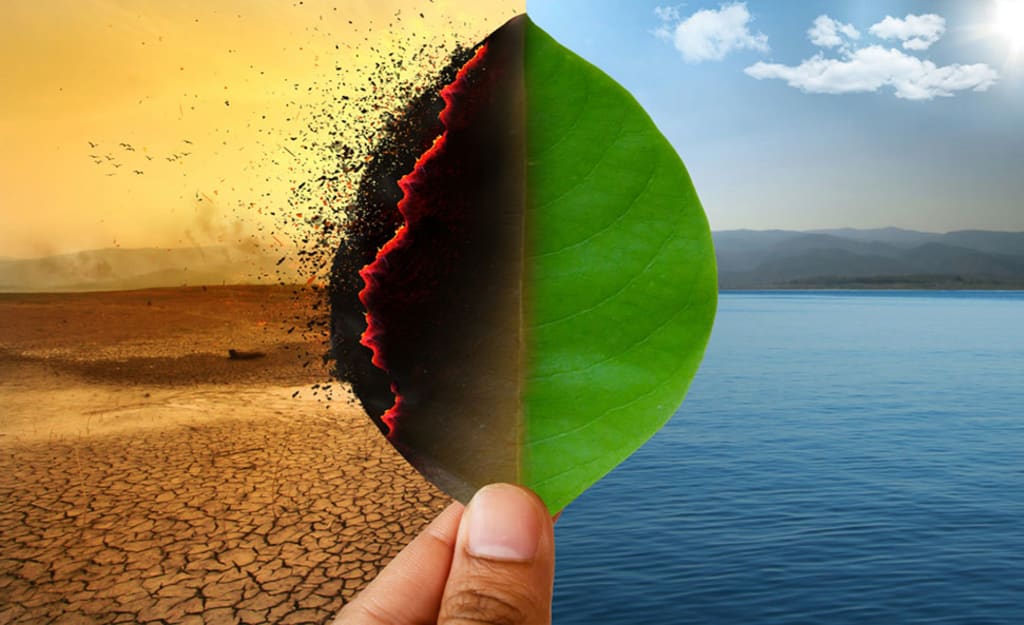
Climate change has emerged as one of the most pressing issues of our time, affecting all facets of life on Earth. The consequences of human-induced climate change are becoming increasingly apparent, with rising global temperatures, extreme weather events, melting glaciers, and rising sea levels. The challenges posed by climate change are complex and multifaceted, requiring immediate and collaborative action from individuals, communities, governments, and international organizations. In this essay, we will explore the critical challenges that climate change presents for our common future and discuss the urgent need for comprehensive and sustainable solutions.
Rising Global Temperatures and Extreme Weather Events
One of the primary challenges of climate change is the steady increase in global temperatures. Greenhouse gases, primarily carbon dioxide, emitted from human activities such as burning fossil fuels, deforestation, and industrial processes trap heat in the atmosphere, leading to a rise in temperatures. This warming, in turn, results in a cascade of effects, including more frequent and severe extreme weather events.
Heatwaves, hurricanes, droughts, and floods are becoming more intense and frequent, causing devastating impacts on ecosystems, infrastructure, and human lives. To address this challenge, we must implement measures to reduce greenhouse gas emissions, transition to renewable energy sources, and invest in resilient infrastructure that can withstand the impacts of extreme weather events.
Melting Glaciers and Rising Sea Levels
As the planet warms, ice sheets and glaciers in polar regions and mountain ranges are melting at an alarming rate. This phenomenon contributes to the rise in sea levels, which poses significant risks to coastal communities and low-lying regions. Rising sea levels result in increased coastal erosion, flooding, and saltwater intrusion, jeopardizing freshwater resources and displacing millions of people.
To address this challenge, we must prioritize conservation efforts for glaciers and polar ice caps while also implementing adaptation strategies to protect vulnerable communities. Reducing carbon emissions remains crucial to mitigating the long-term impacts of melting ice on sea levels.
Biodiversity Loss and Ecosystem Disruption
Climate change is causing shifts in ecosystems and threatening biodiversity worldwide. Many species struggle to adapt to rapidly changing environmental conditions, leading to habitat loss and fragmentation. As ecosystems become imbalanced, the loss of biodiversity affects crucial ecosystem services such as pollination, water purification, and climate regulation.
Protecting biodiversity and restoring degraded ecosystems are vital steps in addressing this challenge. Combating climate change should be integrated with conservation efforts to safeguard the rich web of life on Earth.
Food and Water Security
Climate change poses significant threats to food and water security, particularly in regions already facing resource constraints. Changes in temperature and precipitation patterns affect crop yields and water availability, leading to food scarcity and exacerbating existing social inequalities.
To ensure food and water security for all, we must adopt sustainable agricultural practices, promote water conservation, and improve irrigation systems. Investing in climate-resilient agriculture and supporting small-scale farmers can enhance food production and reduce vulnerability to climate-related shocks.
Human Health and Migration
Climate change directly impacts human health, with increased heat stress, the spread of infectious diseases, and mental health challenges associated with climate-induced disasters. Moreover, climate-related events can trigger mass migrations as people flee from areas affected by extreme weather events, sea-level rise, or food and water scarcity.
Enhancing public health systems, improving disaster preparedness, and addressing climate-induced migration through equitable policies are critical components of tackling this challenge.
Socioeconomic Disparities and Climate Justice
Climate change exacerbates existing socioeconomic disparities, disproportionately affecting marginalized communities, including low-income groups, indigenous populations, and people in developing countries. These communities often bear the brunt of climate impacts despite contributing minimally to global greenhouse gas emissions.
Addressing climate justice requires an inclusive approach that considers the needs and perspectives of all stakeholders. It involves empowering vulnerable communities to participate in decision-making processes and providing them with resources to adapt and mitigate climate change effects.
Climate change presents a formidable array of challenges that threaten our common future. From rising global temperatures and extreme weather events to melting glaciers and rising sea levels, the consequences of inaction are profound. Nonetheless, there is hope in collective action and shared responsibility.
To overcome these challenges, we must foster international cooperation, prioritize sustainable practices, and adopt policies that prioritize both environmental conservation and social equity. By embracing renewable energy, promoting sustainable agriculture, conserving biodiversity, and prioritizing climate justice, we can work together to secure a brighter and more resilient future for all. Climate change is not a problem that can be solved by any single individual or nation; it requires the collective efforts of the global community to safeguard our common future.
About the Creator
Reynol Brennan
A small blogger who shares emotions, life, life insights, and short stories, and provides everyone with happiness, growth, and common sense of life.
Keep reading
More stories from Reynol Brennan and writers in Earth and other communities.
Pioneering a Sustainable Energy Revolution
As the world grapples with the urgent need to address climate change and reduce greenhouse gas emissions, renewable energy technologies have emerged as a beacon of hope for a sustainable future. Solar, wind, and other clean energy sources have been at the forefront of the transition from fossil fuels to renewable energy. With remarkable advancements in technology, renewable energy has proven to be not just an alternative but a viable and essential solution for powering our societies while minimizing environmental impact.
By Reynol Brennan3 years ago in Earth
Asia’s Second-Best Island in DestinAsian Ranking
Vietnam’s largest island, Phu Quoc, has achieved a remarkable milestone in global tourism by being ranked the second-best island in Asia in the prestigious DestinAsian Readers’ Choice Awards 2026, surpassing the world-famous Maldives. The recognition marks a major moment for Vietnam’s tourism industry and highlights the island’s rapid rise as one of the most desirable tropical destinations in the world. 
By Irshad Abbasi a day ago in Earth
Hottest in the Office
Dear Rafi, You’re very distracting to work around. For the first second I saw you the other day, I thought you were some type of executive. It took a moment to realize no, you were just the new guy, dressed up for the job he wants. Be still, my heart.
By Gabriel Shames3 days ago in Pride



Comments
There are no comments for this story
Be the first to respond and start the conversation.