
Pioneering a Sustainable Energy Revolution
Renewable Energy Technologies

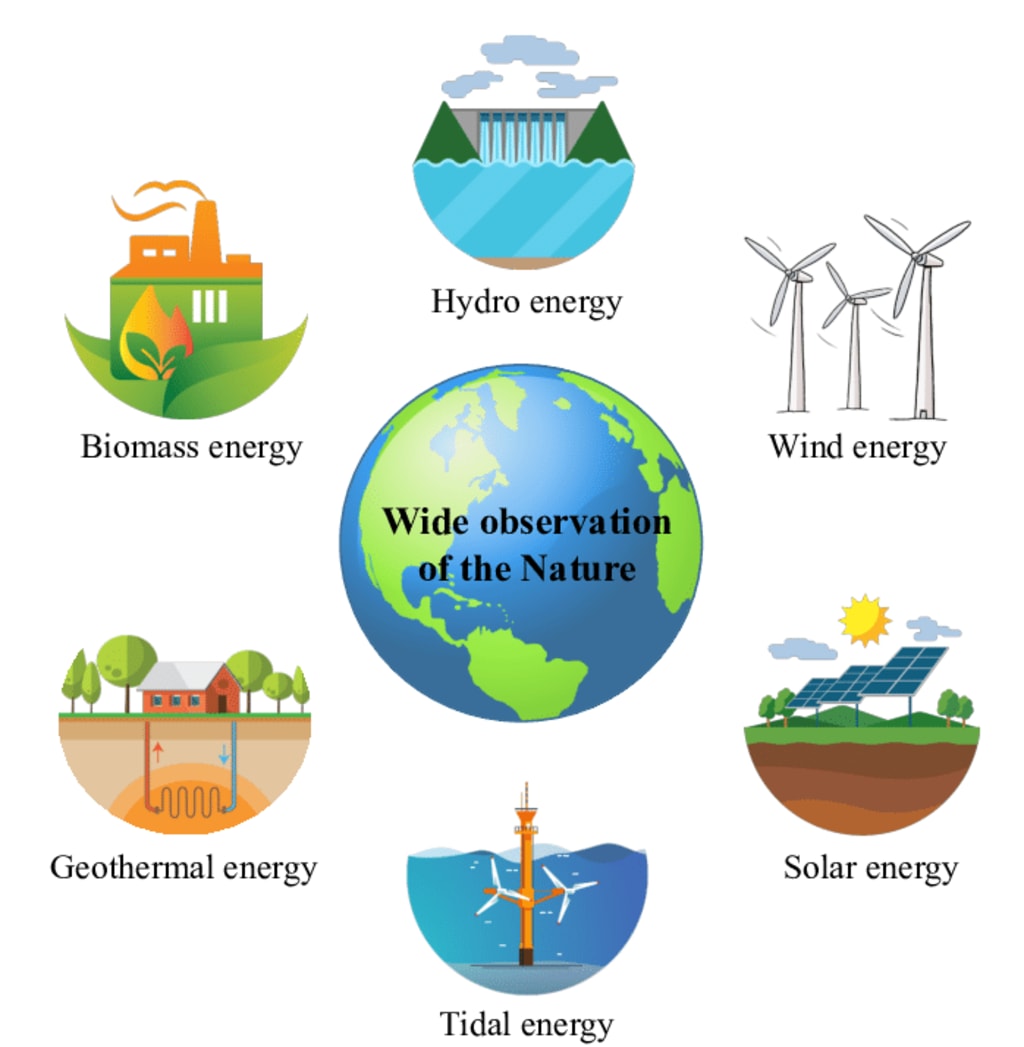
As the world grapples with the urgent need to address climate change and reduce greenhouse gas emissions, renewable energy technologies have emerged as a beacon of hope for a sustainable future. Solar, wind, and other clean energy sources have been at the forefront of the transition from fossil fuels to renewable energy. With remarkable advancements in technology, renewable energy has proven to be not just an alternative but a viable and essential solution for powering our societies while minimizing environmental impact.
Solar energy harnesses the power of the sun through photovoltaic cells, converting sunlight directly into electricity. Significant progress has been made in solar technology, making it one of the fastest-growing renewable energy sources:
Advancements in Photovoltaic Cells: Thin-film solar cells, perovskite solar cells, and bifacial solar panels are among the innovations that have increased solar efficiency and reduced costs.
Solar Farms and Floating Solar Arrays: Large-scale solar farms and floating solar arrays on bodies of water are expanding solar energy generation capacity.
Solar Energy Storage: Energy storage solutions, like lithium-ion batteries, enable the efficient storage of excess solar energy for use during periods of low sunlight.
Solar Integrated with Building Materials: Solar shingles, transparent solar glass, and solar windows are integrating solar technology into building design, maximizing energy generation in urban areas.
Wind Energy: Harnessing the Power of the Wind
Wind energy taps into the kinetic energy of moving air to generate electricity. Advancements in wind energy technology have made it a prominent and cost-effective renewable energy source:
Turbine Design Innovations: Larger and more efficient wind turbines, such as offshore turbines and vertical axis wind turbines, enhance energy capture and reduce maintenance costs.
Smart Wind Farms: Advanced data analytics and machine learning optimize wind turbine operations, improving energy output and reliability.
Floating Wind Farms: Floating wind farms in deep waters open up new opportunities for wind energy generation in regions with limited shallow coastlines.
Wind-Solar Hybrid Systems: Integrated wind-solar systems optimize power generation by utilizing both energy sources complementarily.
Hydropower: Tapping into the Flow of Water
Hydropower has long been a reliable source of renewable energy, generating electricity from the flow of water:
Run-of-the-River Hydropower: Smaller-scale run-of-the-river hydropower systems avoid the need for large dams, reducing their environmental impact.
Pumped Storage Hydropower: Pumped storage facilities use surplus electricity to pump water to higher reservoirs, which is later released to generate electricity during peak demand periods.
Marine Energy: Wave and tidal energy technologies are being explored as potential sources of renewable energy, tapping into the immense power of ocean currents.
Bioenergy: Tapping into Organic Matter
Bioenergy utilizes organic matter, such as agricultural residues, organic waste, and dedicated energy crops, to produce electricity or biofuels:
Biofuel Innovations: Advanced biofuel technologies, like cellulosic ethanol and algae-based biofuels, offer renewable alternatives to fossil fuels.
Biogas Production: Anaerobic digestion of organic waste generates biogas, a renewable energy source that can be used for electricity generation or as a natural gas substitute.
Geothermal Energy: Tapping into Earth's Heat
Geothermal energy harnesses the heat from the Earth's core to generate electricity or provide heating and cooling:
Enhanced Geothermal Systems: Advanced drilling techniques and reservoir engineering enable the exploitation of geothermal resources in regions with low natural permeability.
Geothermal Heat Pumps: Geothermal heat pumps use the stable ground temperature for efficient heating and cooling in buildings.
Sustainable Energy Integration and Grid Modernization
Innovations in renewable energy technologies are transforming power generation, but the successful integration of these sources into existing energy grids remains a critical challenge:
Energy Storage Solutions: Energy storage technologies, such as batteries and pumped storage, are essential for balancing intermittent renewable energy generation and meeting demand fluctuations.
Smart Grids and Demand Response: Smart grids enable real-time communication between energy providers and consumers, optimizing energy distribution and empowering consumers to manage their energy usage efficiently.
Energy Management Systems: Advanced energy management systems allow consumers to monitor and control their energy consumption, facilitating more informed decisions about their energy usage.
Socioeconomic and Environmental Benefits
The widespread adoption of renewable energy technologies brings about various socioeconomic and environmental benefits:
Job Creation: The renewable energy sector creates numerous job opportunities, stimulating economic growth.
Improved Air Quality: Transitioning from fossil fuels to renewables reduces air pollution and improves public health.
Climate Change Mitigation: By replacing greenhouse gas-emitting energy sources, renewables play a crucial role in mitigating climate change.
Energy Independence: Relying on domestic renewable resources enhances energy security and reduces dependency on foreign energy sources.
Renewable energy technologies have emerged as the pillars of a sustainable energy revolution, offering a pathway to a cleaner, greener future. The innovations in solar, wind, hydropower, bioenergy, and geothermal energy are revolutionizing the way we generate and consume power.
By harnessing the potential of renewable energy sources and integrating them into smart grids with efficient energy storage, we can pave the way for a more resilient, sustainable, and prosperous world. As we continue to tackle climate change and work towards a sustainable future, renewable energy remains at the forefront of the global energy transition.
About the Creator
Reynol Brennan
A small blogger who shares emotions, life, life insights, and short stories, and provides everyone with happiness, growth, and common sense of life.
Keep reading
More stories from Reynol Brennan and writers in Earth and other communities.
An Ancient Source of Renewable Energy with Modern Applications
Hydropower, harnessed from the timeless flow of water, stands as a testament to humanity's ingenuity and resourcefulness. From the earliest civilizations to the present day, water has served as a vital source of energy, driving mills, irrigating fields, and now generating clean electricity.
By Reynol Brennan3 years ago in Earth


Comments
There are no comments for this story
Be the first to respond and start the conversation.