


Introduction
Earth, the third planet from the Sun, is the only known celestial body to harbor life. With its diverse ecosystems, dynamic climates, and rich natural resources, Earth stands out as a unique and vibrant world. This article explores the key aspects of our planet, from its physical characteristics to its ecological significance.
Physical Characteristics
Earth is approximately 12,742 kilometers (7,918 miles) in diameter, making it the fifth-largest planet in our solar system. It is composed of three main layers: the crust, the mantle, and the core. The crust is the outermost layer where we live, while the mantle lies beneath it, and the core consists of a solid inner core and a liquid outer core.
The planet's surface is about 71% water, with oceans covering the majority of this area. The remaining 29% is land, which is divided into continents and islands. Earth's atmosphere is composed mainly of nitrogen (78%) and oxygen (21%), with trace amounts of other gases such as argon and carbon dioxide. This atmosphere protects life by blocking harmful solar radiation and regulating temperature.
Geological Activity
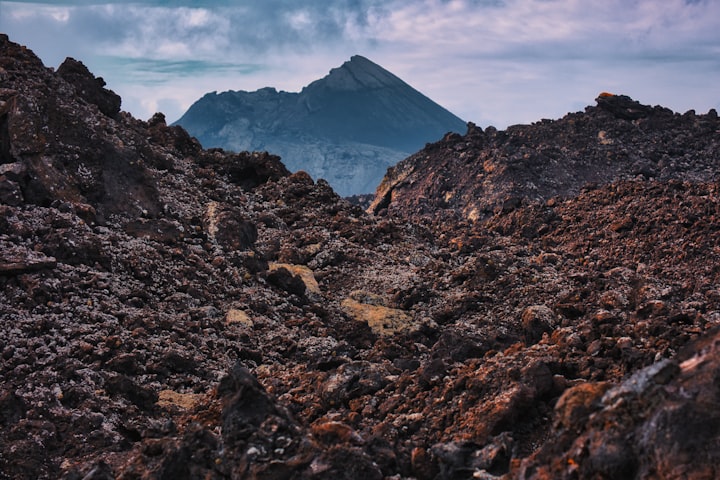
Earth is a dynamic planet with a constantly changing surface. Plate tectonics, the movement of large plates on the Earth's crust, play a crucial role in shaping the landscape. This process is responsible for the formation of mountains, earthquakes, and volcanic activity. The movement of these plates also contributes to the recycling of materials and the distribution of minerals.
Climate and Weather
Earth's climate is influenced by its position relative to the Sun, its axial tilt, and its atmosphere. The planet experiences a variety of climate zones, from tropical rainforests to polar ice caps. Weather patterns are driven by factors such as temperature, humidity, wind, and atmospheric pressure. The interplay of these elements results in diverse weather phenomena, including rain, snow, and storms.
Biodiversity and Ecosystems
One of Earth's most remarkable features is its biodiversity. The planet supports an incredible variety of life forms, from microscopic organisms to large mammals. Ecosystems such as forests, grasslands, deserts, and oceans provide habitats for countless species. These ecosystems are interconnected, and changes in one can impact others.
The health of Earth's ecosystems is crucial for maintaining biodiversity and providing essential services such as clean air, water, and fertile soil. Human activities, including deforestation, pollution, and climate change, pose significant threats to these ecosystems and the species they support.
Human Impact
Human beings have had a profound impact on Earth. Advances in technology, agriculture, and industry have transformed landscapes and altered natural processes. While these developments have led to improvements in quality of life, they have also contributed to environmental challenges such as climate change, habitat loss, and resource depletion.
Efforts to mitigate these impacts include conservation initiatives, sustainable practices, and international agreements aimed at addressing global environmental issues. By adopting more responsible and eco-friendly behaviors, individuals and communities can contribute to the preservation of Earth's natural resources and ecosystems.
Conclusion
Earth is a remarkable planet with a rich tapestry of physical features, climate patterns, and biological diversity. Understanding and appreciating its complexity is essential for ensuring its continued health and habitability. As stewards of this unique world, it is our responsibility to protect and cherish the environment for future generations.
About the Creator
What Is Hardiness? Understanding Your Zone and Plant Survival
Hardiness is a plant's ability to survive adverse conditions, most critically cold temperatures. It is quantified through hardiness zones, a system that maps average minimum winter temperatures across regions. Learning to read and apply this system transforms you from a hopeful gambler into an informed gardener who selects plants destined to survive and thrive.
By Emma Wallace7 days ago in Earth
I was in a Toxic Relationship, with my Workplace
“You got that?” My ex yelled. His hands were balled into fists at his side. At six foot three, he towered over me. A normal person would have been afraid, but I looked up a video of George Lopez repeatedly saying, “I got this,” and showed it to him. I had grown used to this treatment, so much so that I didn’t blink when he ripped the phone from my hand and threw it across the room.
By Jade M.5 days ago in Confessions



Comments
There are no comments for this story
Be the first to respond and start the conversation.