
November 2024's Celestial Spectacle: The Beaver Moon and More
A Guide to November's Celestial Wonders: The Beaver Moon, Meteor Showers, and Planetary Alignments

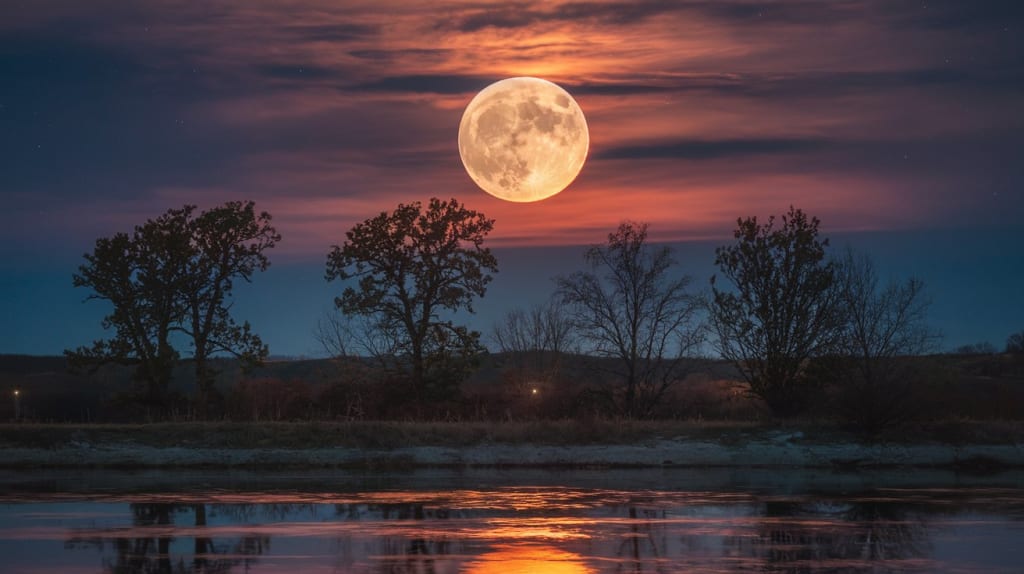
November's full moon, known as the Beaver Moon, is set to grace the skies with a special brilliance, offering skywatchers an event packed with unique phenomena. This year, it's not only the last full moon of autumn but also a supermoon, making it one of the best opportunities for moon-gazing and stargazing. Here's everything you need to know about this celestial treat and other November events you won’t want to miss!
Why Is It Called the Beaver Moon?
The November full moon is traditionally called the Beaver Moon, a name rooted in Native American and colonial history. Around this time of year, beavers become busy building their lodges and preparing for the winter months. The name honors this industrious behavior, which often signals the close of the fall season as nature readies for colder days.
The Final Supermoon of 2024
November's full moon is no ordinary one—it's the year's last supermoon! A supermoon occurs when the full moon coincides with the moon's closest approach to Earth in its orbit, called the perigee. As a result, the moon appears slightly larger and up to 30% brighter than a typical full moon, enhancing its splendor in the night sky.
Mark your calendars for Friday, November 15, 2024, at 4:29 PM EST, when the moon will reach its peak illumination. Though it will be daylight in North America at this peak time, the night following this moment will still provide an impressive display, perfect for those hoping to catch a glimpse of the moon’s enhanced glow.
How to Make the Most of the Beaver Moon
Find a Dark Spot: For the best viewing experience, find a dark, open location away from city lights. A rural area or a park can offer clearer skies and fewer obstructions.
Bring Binoculars or a Telescope: While the naked eye can appreciate the supermoon, binoculars or a telescope can help bring out its details, including the lunar surface's craters and valleys.
Check Moonrise and Moonset Times: Moonrise and moonset times vary by location. Use an app or online tool to find the exact times for your area, ensuring you catch the moon at its best.
Enjoy the View: The best nights to observe the Beaver Moon are November 15 and the nights immediately before and after. Even if you miss the exact moment of peak illumination, the moon will still appear magnificent.
Other Celestial Events to Watch in November 2024
November’s night sky has more in store for avid stargazers:
The Leonid Meteor Shower
Shortly after the Beaver Moon, the Leonid meteor shower reaches its peak around November 17. Known for its fast and bright meteors, this shower could treat viewers to several shooting stars per hour. The best time to observe the Leonids is after midnight in an area with minimal light pollution.
Planetary Conjunctions
This November also brings the chance to see planetary conjunctions—close alignments between two or more planets. Look out for Venus and Jupiter, which may appear strikingly close to one another in the evening sky. These alignments can be visible to the naked eye and provide a rare spectacle of neighboring planets seemingly coming together.
Lunar Phases: A Full Cycle in the Sky
The Beaver Moon represents the full moon phase, one of the eight stages of the lunar cycle. In this phase, the moon is fully illuminated by the sun, with its surface visible from Earth. This phase marks the midpoint of the moon's journey before it wanes toward the new moon.
Plan Your Skywatching
Be sure to check your local weather to pick a clear night for skywatching, and bring warm clothing for cooler November temperatures. The moon, planets, and meteors of November promise an impressive celestial display that even novice stargazers can enjoy. Take a moment to look up and appreciate the beauty above!
Whether you're a seasoned skywatcher or simply looking for a moment of awe, November's Beaver Moon and its accompanying celestial shows offer an unforgettable experience. Grab your binoculars, find a cozy spot under the stars, and enjoy this incredible natural display.
About the Creator
Det. Marcus
I'm a reporter, detective, YouTuber, and article writer based in Florida with 7+ years of experience. Since 2017, I've been uncovering stories, creating engaging content, and delivering unique perspectives across multiple platforms.
Keep reading
More stories from Det. Marcus and writers in Earth and other communities.
The Malibu Fire: Franklin Fire Ravages Coastal California
The Franklin Fire, an inferno fueled by the relentless Santa Ana winds, has been burning through Malibu since Monday night, December 9, 2024. This wildfire, which has already claimed over 2,700 acres of land, stands as another stark reminder of the escalating wildfire crisis in California. As the flames rage on, the toll on residents, the environment, and firefighting efforts continues to grow.
By Det. Marcusabout a year ago in Earth
Japan Furniture Market Size and Forecast 2025–2033
Introduction Japan’s furniture industry stands at a unique intersection of tradition and innovation. Renowned worldwide for its craftsmanship, minimalist design, and functional aesthetics, Japanese furniture reflects the nation’s cultural emphasis on harmony, efficiency, and simplicity. Today, as Japan’s population becomes increasingly urban, digitally connected, and environmentally conscious, the furniture market is undergoing a quiet but significant transformation.
By Janine Root 7 days ago in Earth
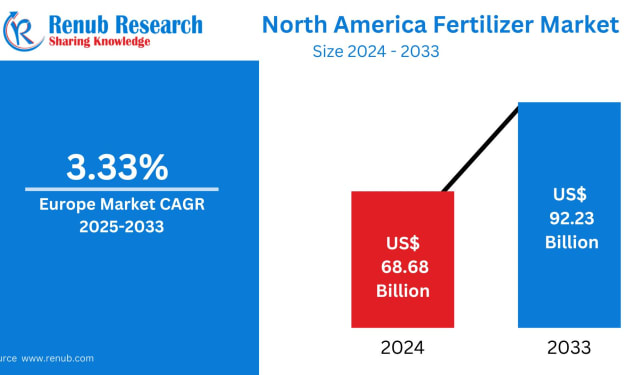
North America Fertilizer Market Size and Forecast 2025–2033
Introduction: Fertilizer as the Backbone of Modern Agriculture The fertilizer industry remains one of the most critical pillars supporting global food production, and in North America, its importance is growing stronger with each passing year. Fertilizers—whether organic or inorganic—play a vital role in replenishing soil nutrients, improving crop yields, and sustaining long-term soil fertility. As the region faces increasing food demand, climate pressure, and the need for sustainable agricultural practices, fertilizers are becoming more advanced, efficient, and environmentally responsible.
By Aaina Oberoiabout 7 hours ago in Earth



Comments
There are no comments for this story
Be the first to respond and start the conversation.