
Nomadic life in Mongolia, a Reportage
Mongolia’s nomadic life reflects harmony with nature and resilience against harsh conditions. Rooted in traditions and sustainable practices, it faces modern challenges like climate change and urbanization. Preserving this heritage offers valuable lessons in adaptability and cultural richness.

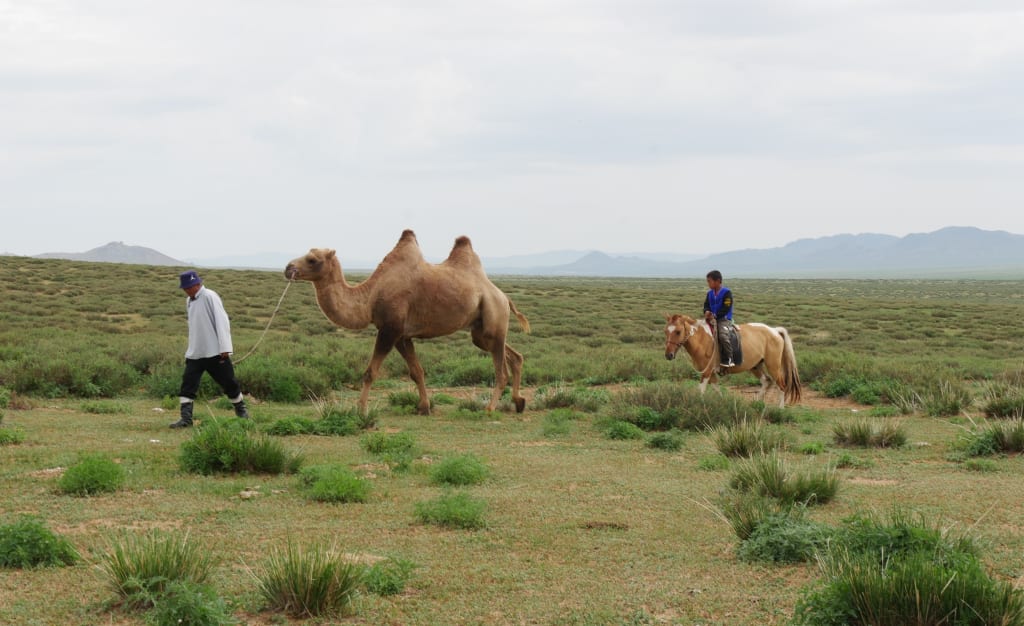
Mongolia, often referred to as the "Land of Eternal Blue Sky," is home to one of the last truly nomadic cultures in the world. The sweeping steppes, rugged mountains, and expansive deserts have shaped a way of life that has persisted for centuries. Despite modernization and globalization, Mongolia’s nomadic lifestyle remains a testament to human resilience, adaptability, and harmony with nature.
A Life Shaped by Geography
Mongolia’s geography is as diverse as it is demanding. The Gobi Desert in the south, the Altai Mountains in the west, and the vast grasslands in the central and eastern regions have shaped the culture and traditions of its people. With extreme temperatures ranging from −40°C in winter to 40°C in summer, the Mongolian nomads have adapted their lifestyles to thrive in these challenging conditions.
At the heart of their existence is the ger, a portable, circular dwelling made of felt and wood. Designed for mobility, the ger is an ingenious structure that insulates against the biting cold and provides ventilation in the heat. Its simplicity and efficiency reflect the practicality of nomadic life.
Livelihood and Daily Life
For Mongolia’s nomads, livestock is both livelihood and lifeline. Herds of sheep, goats, horses, camels, and yaks provide meat, milk, wool, and transportation. The seasonal migrations, known as "otors," are carefully planned to ensure the herds have access to fresh pastures and water. These migrations are not random but are based on ancestral knowledge of the land, weather patterns, and animal behavior.
A typical day for a nomadic family begins at dawn. Milking animals, herding, and processing dairy products such as “aaruul” (dried curd) are daily tasks. Men often tend to the herds while women handle domestic responsibilities and food preparation. Despite the demanding work, there is a deep sense of community and shared purpose within the family unit.
The Role of Tradition and Culture
Mongolia’s nomadic culture is steeped in traditions that honor the land and its resources. Shamanistic practices and Tibetan Buddhism coexist, influencing rituals, festivals, and everyday life. Naadam, the annual festival celebrating the "three manly sports" of wrestling, horse racing, and archery, is a vivid expression of Mongolian heritage.
Hospitality is another cornerstone of nomadic life. Visitors to a ger are warmly welcomed with offerings of tea, dairy products, and even meat, a symbol of respect and generosity. This hospitality extends to travelers and strangers, embodying the spirit of interconnectedness.
Challenges in a Changing World
While the nomadic way of life has endured for centuries, it faces significant challenges in the modern era. Climate change, overgrazing, and desertification threaten the fragile ecosystems that sustain nomadic livelihoods. Harsh winters, known as "dzuds," have become more frequent and severe, leading to livestock losses and forcing some families to abandon their traditional lifestyle.
Urbanization and economic pressures are also reshaping Mongolia. Many nomads migrate to Ulaanbaatar, the capital city, in search of better opportunities. However, life in the city often brings its own challenges, including poverty and the loss of cultural identity. Efforts are being made to preserve nomadic traditions through tourism, education, and government initiatives. Programs that promote sustainable herding practices and provide access to healthcare and education in rural areas aim to support nomadic communities.
The Global Fascination with Nomadism
The resilience and simplicity of Mongolian nomadic life captivate people worldwide. Documentaries, travel books, and cultural exchanges have brought attention to their unique way of living. Yet, this fascination must be accompanied by respect and understanding. The romanticization of nomadism should not overshadow the real struggles and resilience of these communities.
A Model for Sustainability
Nomadic life in Mongolia offers valuable lessons for the modern world. The deep connection to nature, sustainable use of resources, and emphasis on community are principles that resonate in an era of environmental crisis. The nomads’ ability to adapt and thrive in harsh conditions demonstrates the power of resilience and innovation.
Conclusion
Mongolia’s nomadic lifestyle is more than a relic of the past; it is a living tradition that embodies harmony with nature, cultural richness, and human ingenuity. As the world continues to evolve, the preservation of this way of life becomes a shared responsibility. By learning from and supporting Mongolia’s nomads, we can gain insights into sustainable living and cultural preservation. Their story is a reminder that true wealth lies not in possessions, but in the strength of community, adaptability, and respect for the natural world.
About the Creator
Muhammah Hanzalah
Passionate about history and culture. Join me on Vocal Media for captivating insights into hidden historical gems and diverse cultural traditions. Let's explore the rich tapestry of our shared heritage and artistic expressions.
Keep reading
More stories from Muhammah Hanzalah and writers in Earth and other communities.
The skyscrapers where nobody lives
Skyscrapers, often seen as emblems of urban sophistication and progress, dominate the skylines of cities worldwide. However, a curious phenomenon has emerged in various parts of the world: vast skyscrapers that are eerily empty, and devoid of residents or businesses. These unoccupied towers raise significant questions about urban planning, economic strategies, and societal priorities.
By Muhammah Hanzalahabout a year ago in Earth
Man (22) Charged With Murder of English Tourist in Temple Bar
Arrest and Formal Charges A 22-year-old man has been charged with the murder of an English tourist following a fatal incident in Dublin’s Temple Bar area. The charge comes after an intensive Garda investigation into events that unfolded in one of Ireland’s busiest and most popular nightlife districts.
By Aarif Lashari2 days ago in Earth
I was in a Toxic Relationship, with my Workplace
“You got that?” My ex yelled. His hands were balled into fists at his side. At six foot three, he towered over me. A normal person would have been afraid, but I looked up a video of George Lopez repeatedly saying, “I got this,” and showed it to him. I had grown used to this treatment, so much so that I didn’t blink when he ripped the phone from my hand and threw it across the room.
By Jade M.3 days ago in Confessions




Comments (1)
🤑🤑🤑🤑The best Broker with tight spread click on the link below to create your account https://track.deriv.com/_YUG5ZTnGxhFBMfcXPt5VjGNd7ZgqdRLk/1/ 📌Click Create a Free demo Account 📌Put in your email (click create account) 📌Verify your email( the verification message is sent at your email) 📌Create password then click Start trading #then click cfds and create a mt5 account #now download mt5 from Google play store #login to your mt5 account and start trading