
The skyscrapers where nobody lives
Empty skyscrapers symbolize speculative excess, socio-economic disparity, and flawed urban planning. From China's ghost cities to NYC's luxury towers, they waste resources and widen inequality. Solutions include adaptive reuse, stricter regulations, and economic diversification for sustainable urban growth.

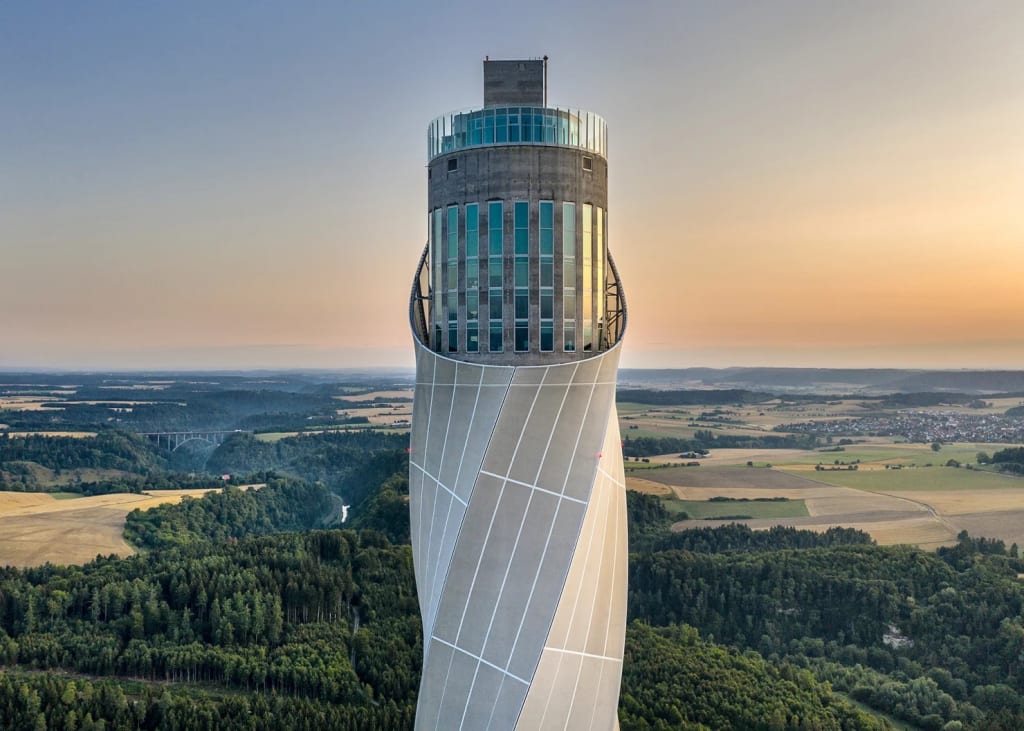
Skyscrapers, often seen as emblems of urban sophistication and progress, dominate the skylines of cities worldwide. However, a curious phenomenon has emerged in various parts of the world: vast skyscrapers that are eerily empty, and devoid of residents or businesses. These unoccupied towers raise significant questions about urban planning, economic strategies, and societal priorities.
The Rise of Empty Skyscrapers
Empty skyscrapers are not an isolated occurrence but a growing trend. From ghost cities in China to high-end apartment towers in Manhattan, unoccupied buildings are becoming an urban hallmark in some regions. The reasons for their existence are multifaceted:
1. Speculative Real Estate Development: Developers often build skyscrapers as speculative investments, expecting property values to increase over time. However, in many cases, the anticipated demand fails to materialize.
2. Economic Disparities: In cities like New York or London, luxury high-rises cater to the ultra-wealthy, often serving as investments rather than homes. These properties remain empty as they are bought and sold without ever being occupied.
3. Overambitious Urban Planning: In rapidly urbanizing nations, governments sometimes overestimate the need for housing or commercial space. This overestimation results in ghost cities filled with empty towers.
4. Regulatory and Financial Challenges: In some cases, projects are abandoned halfway due to financial insolvency or bureaucratic hurdles, leaving structures incomplete and uninhabited.
The Economic and Social Implications
The phenomenon of empty skyscrapers is not merely an architectural curiosity but a symptom of deeper socio-economic issues.
Economic Inefficiency:
- Empty skyscrapers represent wasted resources, from construction materials to labor and capital.
- The funds locked in these projects could be redirected towards more pressing urban needs, such as affordable housing or public infrastructure.
2. Exacerbation of Inequality:
- Luxury skyscrapers in global cities often symbolize growing wealth gaps. They are stark reminders of how capital is concentrated among a small elite while affordable housing remains out of reach for many.
3. Urban Aesthetics and Psychology:
- Empty skyscrapers can contribute to a sense of desolation and neglect, negatively impacting the surrounding community’s morale and the city’s image.
4. Environmental Concerns:
- Constructing skyscrapers is resource-intensive and contributes significantly to carbon emissions. Leaving them unused amplifies the environmental cost without delivering societal benefits.
Case Studies
1. China’s Ghost Cities
China’s rapid urbanization has led to the creation of entire cities filled with empty skyscrapers. For instance, Kangbashi District in Ordos was designed to house over a million people but remains largely unoccupied. The primary drivers include speculative investment, government subsidies, and misaligned urban planning.
2. New York City’s Billionaires’ Row
Luxury residential towers on Manhattan’s Billionaires’ Row are notorious for their low occupancy rates. These skyscrapers are often owned by foreign investors who use them as safe assets rather than homes, contributing little to the local economy or housing supply.
3. Dubai’s Real Estate Boom
Dubai’s skyline is dotted with high-rise buildings, many of which struggle to attract tenants. Overbuilding, fluctuating oil prices, and dependence on expatriate investments have resulted in significant vacancy rates.
Potential Solutions
1. Policy and Regulation:
- Governments can impose taxes on unoccupied properties to discourage speculative investments.
- Enforcing stricter zoning laws and requiring feasibility studies can prevent overbuilding.
2. Adaptive Reuse:
- Empty skyscrapers can be repurposed into affordable housing, co-working spaces, or community centers.
- Retrofitting can align these structures with sustainability goals.
3. Economic Diversification:
- Cities reliant on specific industries should diversify their economic bases to ensure steady demand for commercial and residential spaces.
4. Encouraging Local Investment:
- Prioritizing local over foreign investment can create a more stable real estate market and reduce vacancy rates.
Conclusion
The phenomenon of empty skyscrapers serves as a cautionary tale about unchecked urbanization, speculative investment, and socio-economic disparity. Addressing this issue requires a multi-pronged approach involving government policy, urban planning reforms, and market regulation. While the allure of towering skylines persists, their utility and integration into the urban fabric must take precedence over mere symbolism.
By reimagining these structures as opportunities rather than failures, cities can turn their empty skyscrapers into assets that serve the public good and contribute to sustainable development.
About the Creator
Muhammah Hanzalah
Passionate about history and culture. Join me on Vocal Media for captivating insights into hidden historical gems and diverse cultural traditions. Let's explore the rich tapestry of our shared heritage and artistic expressions.
Keep reading
More stories from Muhammah Hanzalah and writers in Earth and other communities.
SpaceManufacturing: Revolutionary
The concept of manufacturing in space, once deemed a science fiction fantasy, is rapidly moving towards becoming a reality. Spearheaded by advancements in aerospace technology and a growing interest from both private and public sectors, space manufacturing is poised to revolutionize industries and redefine the boundaries of human ingenuity. This article delves into the potential of space manufacturing, the challenges it faces, and its implications for businesses and economies worldwide.
By Muhammah Hanzalahabout a year ago in Earth



Comments
There are no comments for this story
Be the first to respond and start the conversation.