
Nature: The Original Healer of Body and Soul
Rediscovering our deep connection with the natural world in a modern, digital age

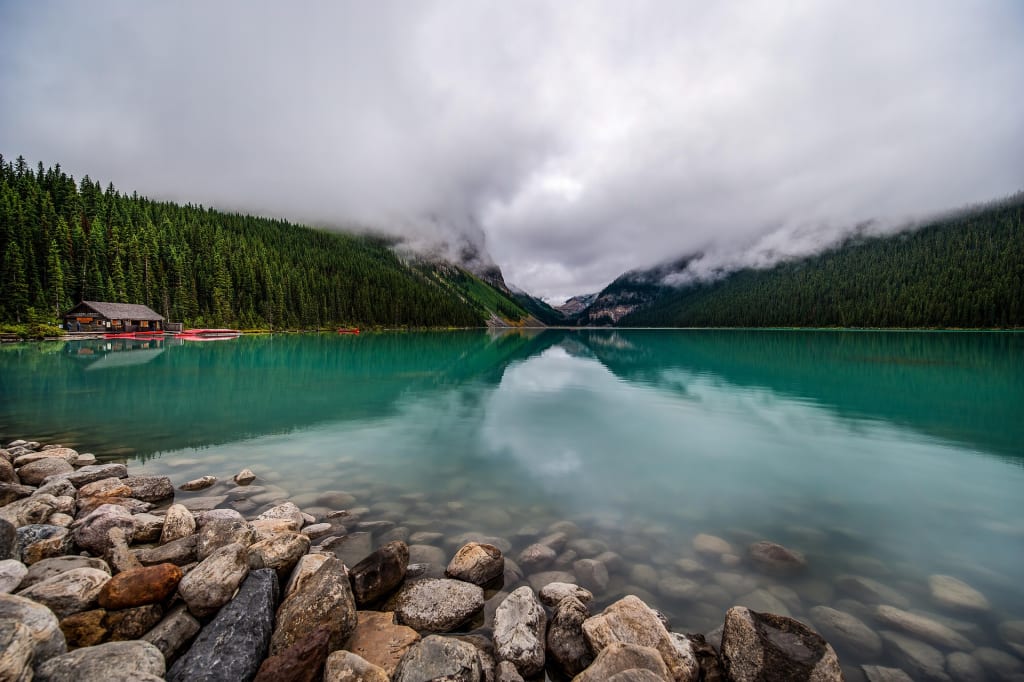
In the age of screens, deadlines, and artificial light, it's easy to forget that we are part of nature—not separate from it. Yet, a quiet walk in the forest, the sound of waves crashing on the shore, or the smell of earth after rain can remind us of something ancient and essential. Nature is not just a background to our lives—it’s where we began, and where we return for peace, inspiration, and healing.
The Human-Nature Bond
For most of human history, people lived in close contact with nature. We rose with the sun, harvested food from the land, drank from rivers, and slept under the stars. Our ancestors knew the rhythms of the earth like we know the rhythm of traffic lights and app notifications.
Though modern life has moved many of us away from direct contact with nature, the bond remains. Studies show that time spent in natural environments improves our mental, emotional, and physical well-being. Nature calms the nervous system, lowers blood pressure, reduces anxiety, and boosts creativity.
Even just a few minutes outside can shift our mood. The Japanese practice of shinrin-yoku, or "forest bathing," encourages people to simply walk through a forest, breathe deeply, and engage their senses. The goal isn’t exercise or productivity—it’s presence.
Nature’s Healing Power
The healing power of nature is both physical and emotional. Fresh air cleanses the lungs. Sunlight stimulates vitamin D production, essential for immune health. And the natural world provides countless medicinal plants that have been used for generations—lavender for relaxation, mint for digestion, willow bark for pain.
But beyond physical health, nature offers something deeper: perspective. When we look at a mountain or sit beside the ocean, we are reminded of how small we are in the grand web of life. This realization can be humbling and comforting, especially in times of stress.
Nature doesn’t rush. Trees grow slowly. Rivers carve valleys over centuries. Watching these processes helps us slow down, breathe, and embrace patience—qualities often lost in a fast-paced world.
Biodiversity and Beauty
Nature is endlessly diverse. From the colors of autumn leaves to the delicate structure of a spider’s web, every corner of the earth holds a masterpiece. Biodiversity is not just beautiful—it’s vital for the planet’s survival and ours.
Every species, no matter how small, plays a role in the ecosystem. Bees pollinate our crops. Earthworms enrich the soil. Forests absorb carbon dioxide and give us oxygen. When we protect nature, we protect ourselves.
Yet beauty alone is enough to justify our love for the natural world. Who hasn't felt awe looking up at the night sky, or joy at hearing birdsong in the morning? These small moments are gifts—reminders that life is full of wonder.
Urban Nature: Finding Green in the Gray
You don’t have to live in the countryside to connect with nature. Cities are increasingly embracing green spaces—parks, rooftop gardens, tree-lined streets—that provide a taste of the wild in urban settings.
Even a balcony plant, a walk by a river, or growing herbs in your kitchen can create a bridge to the natural world. These small touches of green in daily life have been shown to reduce stress, improve focus, and even speed up healing.
Technology has distanced us from the natural world, but it can also help reconnect us. Apps that identify birds or plants, digital nature journals, and virtual hikes allow us to learn and appreciate nature even from our homes.
The Role of Nature in Culture and Spirit
Nature has always played a central role in human culture. Myths, art, and religions around the world are filled with trees, animals, rivers, and stars. Nature is seen as sacred, as teacher, as source.
Indigenous communities often refer to nature not as a resource, but as a relative—a grandmother tree, a brother bear, a sister river. This worldview teaches respect and responsibility, not dominance.
Spirituality, whether religious or personal, often finds its clearest voice in natural settings. People pray, meditate, and reflect in forests, by lakes, or on mountaintops. There, away from noise and distraction, we can hear our own hearts again.
Climate and Conservation
The bond between humans and nature is powerful—but it’s also fragile. Climate change, deforestation, pollution, and loss of biodiversity are breaking that bond. We must act, not just for the planet’s future, but for our own.
Protecting nature is not just about saving whales or planting trees—it’s about preserving life itself. Every small act counts: reducing waste, using less plastic, supporting conservation efforts, and voting for green policies.
More than anything, it’s about awareness. When we truly see nature—its beauty, its power, its generosity—we want to protect it. Love leads to care, and care leads to change.
Conclusion: Returning Home
Nature is not something outside of us. We are part of the same system, made from the same elements. The earth gives us food, water, shelter, and joy. In return, we are called to care for it, not out of guilt, but out of love.
Spending time in nature is not a luxury—it’s a return to our roots. It reminds us who we are beneath the noise: human, alive, and connected.
So go outside. Touch the bark of a tree. Watch the sky change color. Listen to the wind. In these small moments, you are not escaping life—you are finally coming home.
About the Creator
Top Secret
Unveiling the untold. I dive deep into the world's most hidden secrets, exposing what others won't. If you crave the truth beneath the surface, you're in the right place.
Keep reading
More stories from Top Secret and writers in Earth and other communities.
The Art of Living: How Creativity Colors Our Everyday Lives
Art is often confined to galleries, museums, and textbooks, labeled as something elite, abstract, or distant. Yet, the truth is that art is everywhere. It weaves itself through the fabric of daily existence—from the songs we hum during our commute to the colors we choose for our clothes, the way we decorate our homes, or the stories we tell over dinner. Art is not a luxury; it’s a necessity. It gives our lives meaning, emotional depth, and beauty.
By Top Secret9 months ago in Art
Antibiotic resistance is released into rivers and other essential water supplies by melting glaciers.
Sea level rise and the disappearance of landscapes are not the only effects of glaciers melting quickly. Melt water may also contain buried genetic material that aids in bacterial resistance to drugs, scientists are now cautioning.
By Francis Dami5 days ago in Earth
Miss Persephone's Manual to a Seemingly Ordinary Life
Miss Persephone was found at the dining table, her blue eyes swollen, her tears arriving and retreating like the tides of the ocean. Earlier that day, her family had visited her in the retirement home where she had lived for eight years. It was her eightieth birthday.
By Imola Tóth3 days ago in Fiction


Comments
There are no comments for this story
Be the first to respond and start the conversation.