
The Art of Living: How Creativity Colors Our Everyday Lives
Exploring the vital role of art in shaping our emotions, relationships, and sense of purpose

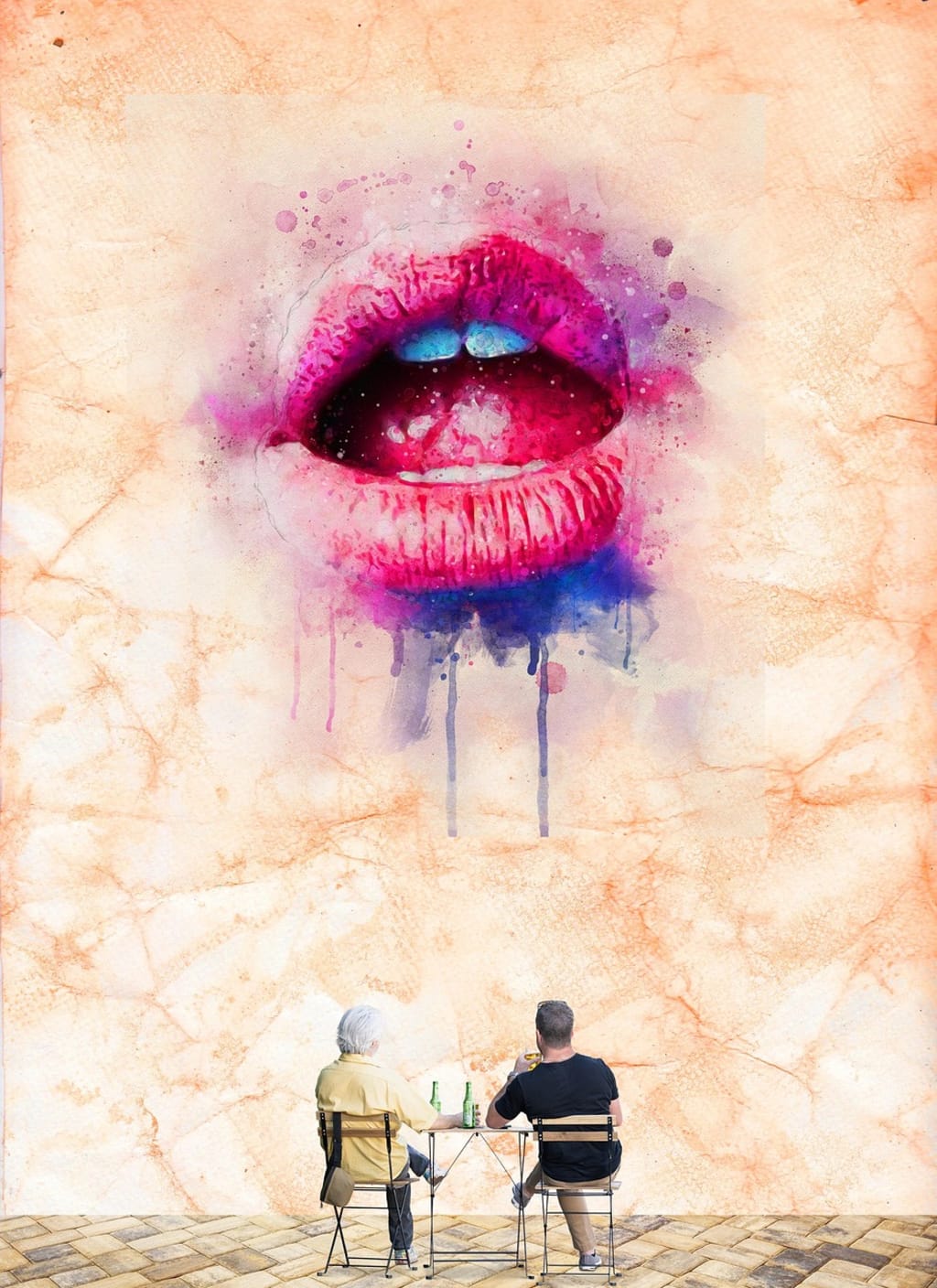
Art is often confined to galleries, museums, and textbooks, labeled as something elite, abstract, or distant. Yet, the truth is that art is everywhere. It weaves itself through the fabric of daily existence—from the songs we hum during our commute to the colors we choose for our clothes, the way we decorate our homes, or the stories we tell over dinner. Art is not a luxury; it’s a necessity. It gives our lives meaning, emotional depth, and beauty.
Art as Expression
At its core, art is a form of expression—one that transcends language, borders, and time. Through painting, music, dance, literature, and even fashion, people have always found ways to express what words often fail to capture: joy, grief, anger, hope, love, longing.
Think about a song that moves you. It may have been written decades ago by someone in a completely different culture, yet it resonates. That’s the magic of art—it connects us to ourselves and to others, reminding us that we are not alone in our feelings.
Art and Emotion
Scientific studies show that engaging with art can significantly impact our mental health. Looking at or creating art reduces stress and anxiety, improves mood, and even helps with trauma recovery. That’s why hospitals often incorporate art therapy for patients, and why painting, dancing, or simply journaling can feel so therapeutic.
Art doesn’t always have to be "beautiful" in the conventional sense to be effective. Sometimes the most powerful pieces are messy, raw, and honest. They stir something inside us, prompting reflection or healing.
Everyday Creativity
Many people believe they aren’t "artistic" because they can’t draw or play an instrument. But creativity is much broader than that. Cooking a meal with care, arranging flowers, or even telling a good joke requires an artistic eye. It's about intention—about transforming the ordinary into something special.
Think of a child building a sandcastle or doodling on the corner of a notebook. These are acts of spontaneous creation. As adults, we often lose this instinct because of societal pressure to be "productive." But reclaiming even a bit of that playful creativity can restore a deep sense of joy.
Cultural Identity and Art
Art is also a mirror of culture. Through traditional music, dance, folklore, crafts, and clothing, communities tell their stories. These forms of art preserve history and identity. They offer a sense of belonging, especially in times of change or diaspora.
Whether it’s a Ukrainian embroidery pattern or an Aboriginal dot painting, cultural art tells stories that textbooks can’t. It connects generations and keeps ancestral wisdom alive.
Art and Connection
Art fosters empathy. A novel might allow us to live in someone else’s shoes. A film can open our eyes to injustice. A painting might express an inner world we’ve never encountered. When we share art—whether by creating it or experiencing it together—we forge connections that go beyond words.
Public art, like murals or sculptures, turns streets into shared galleries. Music festivals bring strangers together to dance. These communal experiences remind us that beauty and meaning are not individual luxuries but collective joys.
Art in Design and Environment
Even the spaces we inhabit are shaped by artistic choices. Architecture, interior design, and urban planning all reflect aesthetic values. A thoughtfully designed building or a well-kept garden can lift our spirits, increase productivity, or inspire awe.
Good design blends function and beauty. Whether it's the minimalist elegance of Japanese homes or the vibrant chaos of Moroccan marketplaces, these environments shape how we feel and behave.
Digital Age and New Forms
In the digital age, art is more accessible than ever. Social media platforms allow artists to share their work instantly with global audiences. New forms like digital illustration, virtual reality, and even memes challenge traditional ideas of what art can be.
This democratization of art is both exciting and challenging. While it gives voice to more creators, it also raises questions about authenticity, value, and ownership. Still, the essence remains: humans need to create and be moved by creations.
The Role of Art in Meaning and Legacy
Ultimately, art helps us answer life’s big questions: Who am I? Why am I here? What matters?
When we look back through history, we remember civilizations by their art—the pyramids, the Mona Lisa, Shakespeare’s plays. In times of war, people risk their lives to save paintings or manuscripts. Why? Because art is memory. It’s proof that we existed and that we felt deeply.
Even in our personal lives, art marks milestones. Wedding songs, baby books, family recipes, photo albums—these are all artworks in their own right. They are the threads that weave the story of who we are.
Conclusion: Living as Art
We often think of art as something we do in our free time, outside of "real life." But perhaps the reverse is true: art is real life. It’s not just something to consume or produce—it’s a way to live.
To live artfully means to pay attention. To notice the shades in the sky, the rhythm in a conversation, the beauty in imperfections. It’s about creating meaning where there was none, and finding beauty where others might not look.
In a world that often feels rushed and fragmented, art invites us to slow down and connect—with ourselves, with each other, and with something greater.
So, whether you're painting a canvas or planting a garden, writing a poem or setting the dinner table with care—remember, you're not just filling time. You're creating a life.
About the Creator
Top Secret
Unveiling the untold. I dive deep into the world's most hidden secrets, exposing what others won't. If you crave the truth beneath the surface, you're in the right place.
Keep reading
More stories from Top Secret and writers in Art and other communities.
How to Impress a Girl: Confidence, Charm, and Authenticity
Introduction Let’s be real—impressing a girl isn’t about trying to be someone you’re not. It’s about becoming the kind of man who naturally stands out. Whether you’re just meeting her or trying to deepen a connection, these tips will help you leave a genuine, memorable impression.
By Top Secret9 months ago in Men
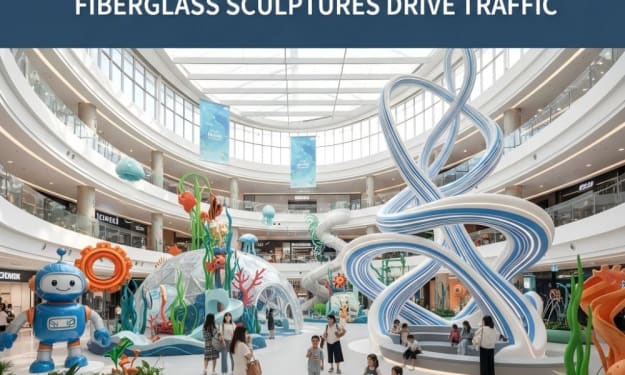
2026 Commercial Space Design:How Fbierglass Sculpture Drives Traffic
Today, offline commercial spaces are facing continuous pressure. With e-commerce offering convenient and fast services, physical stores must showcase unique features to attract customers. In this context, fiberglass sculptures are no longer merely decorative items; they have become visual focal points in shopping malls, brand stores, pop-up shops, and mixed-use commercial projects, playing a crucial role in increasing foot traffic.
By Shenzhen Ruiheng Crafts4 days ago in Art
Why Strategic Branding Is Essential for Long-Term Business Growth
In today’s fast-paced digital environment, businesses face constant pressure to stand out. Consumers are exposed to endless choices every day, making attention harder to earn and trust harder to keep. While quality products and services are important, they are no longer the only factors that determine success. Strategic branding plays a key role in helping businesses grow steadily and remain relevant over time.
By Ayush Bagwari4 days ago in Art



Comments
There are no comments for this story
Be the first to respond and start the conversation.