
Nature Can Be a Mother When She’s Angry
Too Many Ants in the Hill

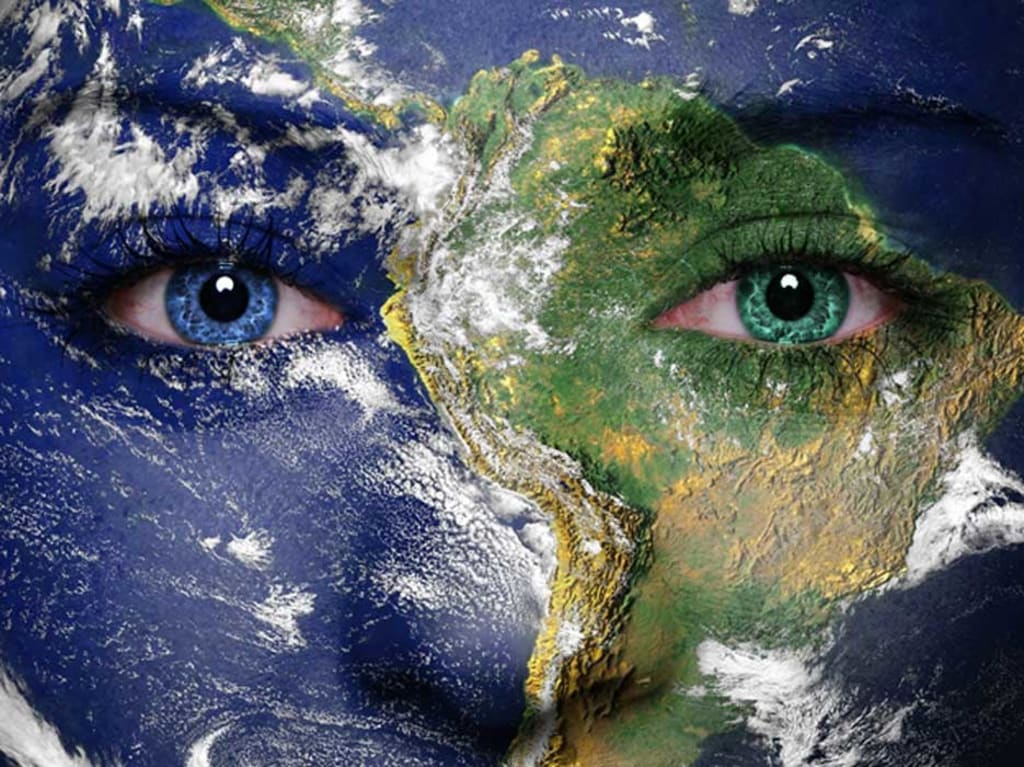
Hurricanes, atmospheric rivers, tornados, wildfires, floods, droughts, polar vortex, failed and destroyed crops and similar events appear to be increasing on our planet. Added to pandemics, diseases, cancers and infections that are evolving to be more resistant to our treatments. Why is this all happening? From a scientific position many point to climate change to blame for some of these, others believe technology and mankind’s altering and polluting of the planet has influenced some other of these troubles. I say overpopulation.
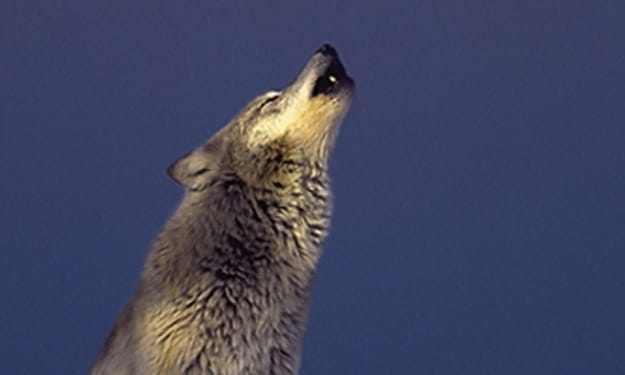
In my job as a wildlife guide, I speak with many people visiting the Yukon from around the planet and from time to time the issue of our changing world becomes topical as I explain the changes here in the north since the last Ice Age some 11,000 years ago and what influences and adaptations mankind and the animals have experienced as a result of our evolving world. During one of these presentations a while back a visiting young lady from Japan of no more than six years said, “The world is mad at people and is trying to make things better again.”
Her words have haunted me as I pondered what if she is right? What if Nature has had enough of the shit and abuse mankind creates on our planet and is fighting back with super-natural powers to restore our world to what is was intended to be?
Nature has given the gift of population control to some species for them to directly administer themselves, while the greater control scheme for the overall planet has Nature providing the stimuli and life-altering impacts through natural disasters, diseases and a range of variables impacting the essential components life requires to survive; like potable water, reliable food supply, breathable air, shelter and agreeable climate. All these challenges occur at the same time as the human species is still evolving as a result of natural selection, genetic diversity, adaptation including the many influences of medical science, a regular diet and fewer predators chasing and killing us.

As a result, the human species has flourished, and our reproductive rate is increasing while fewer have been dying due to the application of medical technology, fewer wars and a better quality of life in general terms. It took over 2 million years of human history for the world's population to reach 1 billion and only 200 years more to grow to 7 billion. It’s a race between fertility and mortality and our modern society puts more time, attention and investment into fertility and delaying mortality which has contributed to the population challenges we are now facing. Ben Franklin once said, “In this world, nothing is certain except death and taxes,” I will add, governments are working on a cure for death, taxes--not so much.
More people means more food and water is required, so that means more arable land is required for crops, more minerals and timber resources are required for materials for creature comforts and our present technologies. More land is also required to build shelters for all these people, more jobs are required for all these people to have employment to pay for all they consume. On our present trajectory, mankind will eventually outpace the planet’s ability to provide these resources and humans and many other species will suffer.

Nature has solutions to manage overpopulation and different species employ them in various ways. Honeybees will follow the queen to new locations when food resources begin to dwindle, alleviating localised over population and the further decline of available food resources. Ants too will seek out new resident locations once there are too many ants in the hill and essential resources become more difficult to acquire.
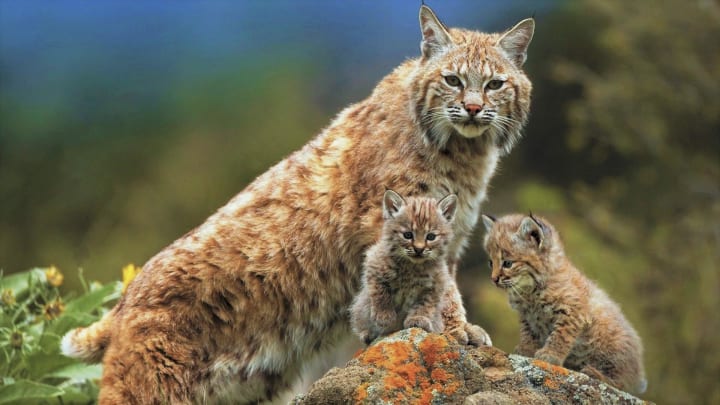
Small carnivore species like foxes and lynx will adjust their litter numbers when their local prey species alter their birth patterns. Hares are a common prey food for many small carnivores. Hares, like some other species, have a ten-year birth cycle where the litter numbers increase or decrease depending on the availability of food resources. Predator litter numbers also fluctuate with the litter numbers of the hares. Lynx may have only one or two kits when the hare cycle is low but will increase to a litter of six to eight kits when the hares are in abundance. Nature tries to maintain a balance in all things as the default goal. This balance can be influenced by numerous stimuli such as habitat destruction by natural disasters or human encroachment; or new predators moving into the area and similar activities that may impact on the hares.
Humans are not so constrained to manage our population as culture, economic health and similar influences are the primary considerations for humans having offspring. When times are good—we have more babies. But when times are not as good, we still keep increasing our population, which has a huge impact on sustainability, not just for the family unit, but also the gathering and consumption of global resources.
In Greek mythology Gaia is the personification of the Earth and one of the Greek primordial deities. Gaia is the ancestral mother of all life. She also has tremendous powers that can alter life on Earth as she desires, Gaia has the ability to manipulate the sun’s effects on the earth, creating storms, summoning thunder and lightning, manipulating clouds and precipitation levels, and temperatures both cool and hot.
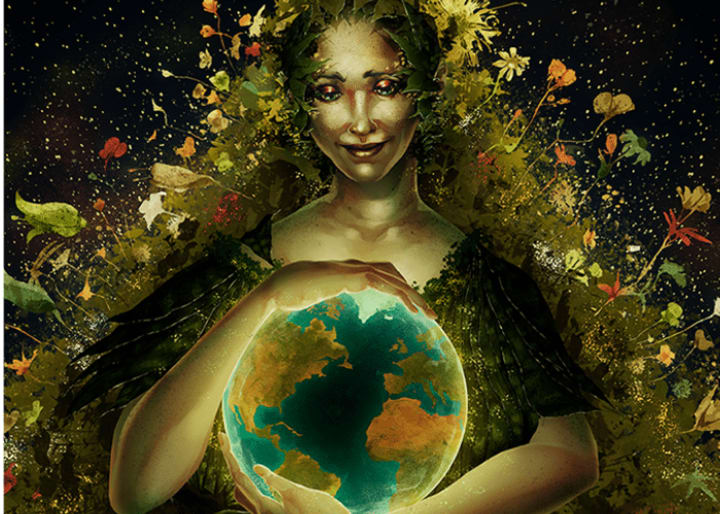
Killing crops, flooding communities, sparking volcanoes and earthquakes, introducing new biological plagues or pandemics, Gaia is gifted with the power to reduce human occupation of this world as she sees fit.
The concept of Gaia and her abilities are not limited to just the ancient Greeks. Gaia theory, the first scientific form of this idea was proposed in 1970 as the Gaia Hypothesis by James Lovelock, a UK chemist. The Gaia hypothesis deals with the concept of biological homeostasis and claims the resident life forms of this planet coupled with their environment have acted and continue to act like a single, self-regulating system. This system includes the near-surface rocks, the oceans and freshwater drainages, the soil, the forests, all the millions of species and the atmosphere.
Mankind appears to believe we are above Nature and can adapt to the many various challenges Gaia provides to us. This has been evidenced by the introduction of agriculture, whereby mankind has created systems and technologies to grow crops at will where we are no longer dependant on natural food resources growing haphazard across the land and requiring the hunting and gathering of them. Domestication of animals as both beasts of burden and a food source has also modified the natural disposition of animals that used to be wild and self-sustaining. Many of these creatures now depend on mankind to ensure their survival as their abilities to survive in the wild has been diminished through domestication and habituation.
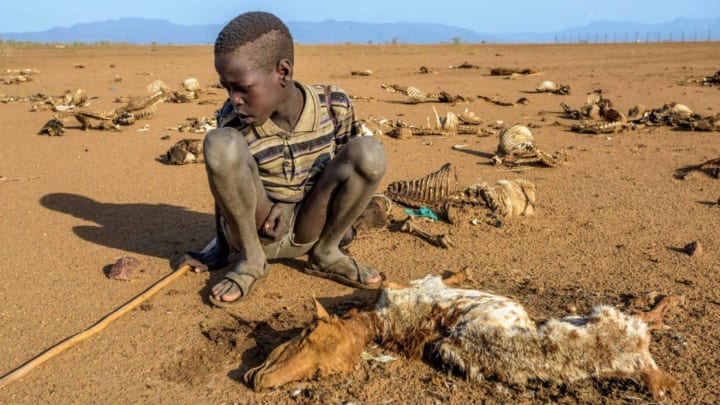
Gaia concept draws a connection between the survivability of a species (hence its evolutionary course) and its usefulness to the survival of other species. We must ponder on if mankind is being useful to the other species and the world at large.
Many believe that these ideas cannot be considered scientific hypotheses; a scientific hypothesis must make testable predictions. As the above claims are not currently testable, they are outside the bounds of current science. This does not mean that these ideas are not theoretically testable. As one can postulate tests that could be applied, given enough time and effort, then these ideas should be seen as scientific hypotheses. Religion functions on the same principles where belief and faith eclipse the scientific process. No further proofs are required as people are more than eager to believe what they wish to believe.
It certainly is a big concept to accept--the globe is a living entity where everything is connected in some way and may be influenced by a super-natural deity motivated by maintaining a healthful and balanced planetary condition that supports our many life forms that are interconnected via the food chain, evolution and the laws of adaptation and survival.
So perhaps Gaia is beginning to thin the global herd of humans through her manipulation of the seasons, weather extremes and their influence on food production, shelter and new or more virulent diseases through micro-biology. Remember a virus is also another creature working hard to stay alive and create progeny.
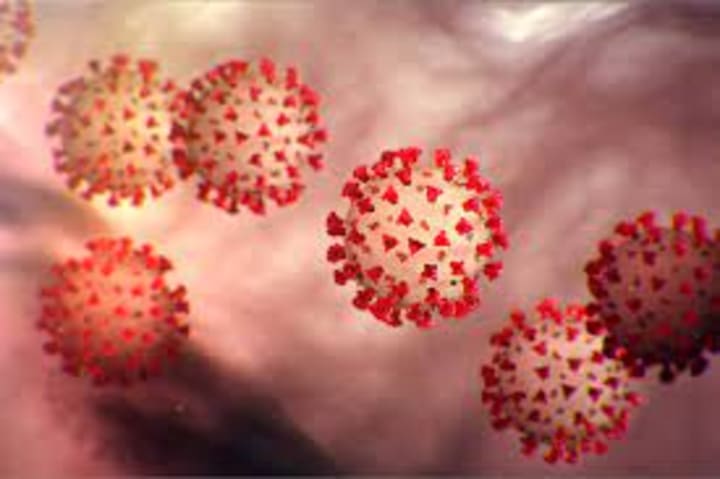
How many is too many? If we’re are talking pests like mosquitos and wasps or packs of aggressive carnivores, the answers are easy based on how much risk they present to humans. How many are required to maintain genetic values without mongrelising a species and their place in the hierarchy of all fauna? Millions of years of evolution and adaptation has created the world we live in and mankind is altering the world in many ways which also may influence the future evolution of creatures as their environment changes, so they must adapt to the new conditions, Failure to adapt will result in greater challenges for the species which may lead to their ultimate extinction. Mankind seems to believe that we as a species are beyond this outcome as we historically have created new technologies or methods to avoid the negative outcomes that are possible. Charles Darwin wrote: “It is not the strongest of the species that survives, nor the most intelligent that survives. It is the one that is most adaptable to change that will produce successive generations.”
Medical science has also increased how long we are expected to live. Over the past 160 years, life expectancy (from birth) in western culture has risen from 39.4 years in 1860, to 78.9 years in 2020. Keep in mind, humans are still evolving and because of medical science we are not evolving in a natural way. Chemicals and treatment potions in our systems are altering our natural resistance to viruses and other infections so we are not evolving naturally. Social values are also evolving whereby interracial relationships are further diversifying the population with a blending of genetics and racial predispositions in their offspring. If this is a good or not so good outcome will be determined over time.
Time is mankind’s greatest motivator to find solutions as the effects of disease, famine and intolerable living conditions must be attended to quickly in some cases to maintain health and the ability to produce progeny. Nature is under no such time constraints and may use many generations to arrive at an evolved adaptation to enhance survivability of a species through natural selection.
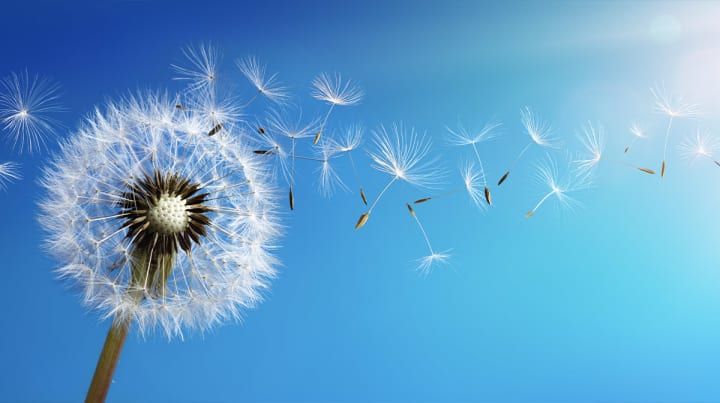
Nature also employs chaos in managing the world around us, while we humans attempt to apply order to manage our world. Chaos is always going to win. Consider the lowly dandelion. Chaos relies on the random wind patterns to blow its parachute-like seeds far and wide. Mankind plants seeds in neat orderly rows to maximize harvest yield, but because of this concentration of seed resources to one area, they are at greater risk of damages from a number of sources while dandelion seeds are spread far afield and do not suffer greatly if a few are killed in some fashion.
Population dynamics are also important for economic reasons as there needs to be enough workers to fill the jobs that produce the goods and services required by the general population. Low birth rates and aging workers can have tremendous impacts to local economies for this reason. Low birth rates may be attributed to disease, poor water availability, starvation and a lack of other essential resources such as medical care, adequate shelter and cultural beliefs as well as political influences such as war.
The United Nations produced a study on sustainability of the planet and identified some steps that they believe could be taken to improve life here on Earth. One of those steps contemplated is to reduce the global population by 95%. How they may do this is still a topic for discussion, but new viruses such as the COVID have been noted as a potential tool for this depopulation. The UN has other topic proposals that will also influence sustainability on Earth. Google for Agenda 2030 to read what other solutions are being contemplated by the UN’s sustainability branch.
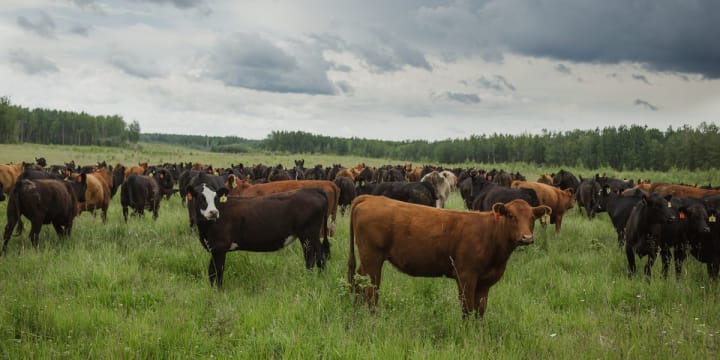
Perhaps our planet really is reacting in ways to reduce mankind’s negative impacts to restore the balance so our planet is healthy once again? Something I learned in 4H as a kid was: A pasture has a limited amount of forage and will only support a limited number of healthy grazers. More grazers will reduce the amount of forage and will in turn reduce the health of the animals that forage and depend on it.
The overpopulation theories are well known and can be supported with many examples of scientific research. As we have no way to measure if in fact Nature or Gaia is purposely causing turmoil to reduce our planet’s population, why not err on the side of caution and do our individual parts to reduce our overly consumptive ways, manage birth control better and leave some places for Nature to remain unmolested?
About the Creator
Doug Caldwell
I hope to learn from all of you members on this site and share in some tale-telling. I am looking forward to the different styles used to tell these stories. I look forward to reading yours.
Be Well
Keep reading
More stories from Doug Caldwell and writers in Earth and other communities.
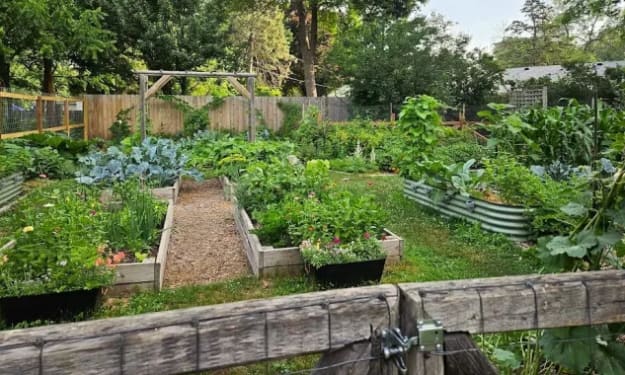
Planning a Vegetable Garden Layout: Sun, Space, and Succession
You've decided to grow your own food. You've cleared a space, bought seeds, and imagined baskets overflowing with tomatoes and zucchini. Then reality intervenes. The tomatoes shade the basil. The zucchini engulfs the carrots. By midsummer, you have more lettuce than you can eat, followed by a gap of nothing until frost.
By Emma Wallace8 days ago in Earth


Comments
There are no comments for this story
Be the first to respond and start the conversation.