
Natural Ways to Restore Soil Fertility Without Chemical Fertilizers
Let Nature Heal the Land: 7 Proven Soil-Friendly Methods

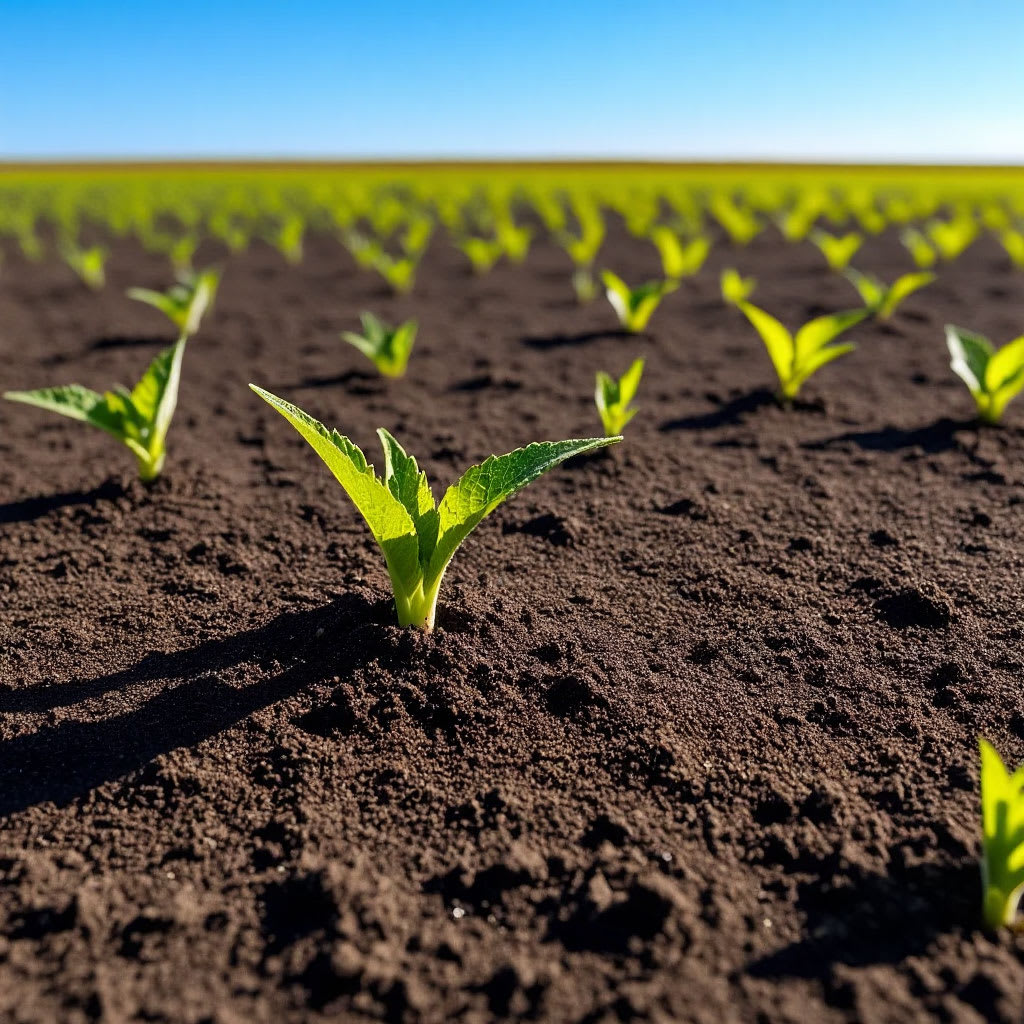
Bringing Life Back to the Earth, the Eco-Friendly Way
Modern agriculture has long relied on chemical fertilizers to increase crop yields. But over time, this approach can do more harm than good. Soil becomes depleted, microorganisms die off, and the land loses its natural ability to nourish plants. The good news? It’s absolutely possible to bring soil back to life — without using any synthetic chemicals. In fact, nature has provided us with plenty of tools to do just that.
Let’s explore the top natural methods for restoring soil fertility and building healthy, living ecosystems right under our feet.
1. Green Manure (Cover Crops)
Green manure, also known as cover crops or “living fertilizers,” refers to plants grown specifically to improve soil health rather than for harvest. These plants — like clover, vetch, mustard, or rye — are sown during off-seasons or between harvests. When the plants mature, they are cut down and mixed into the soil, enriching it with organic matter.
Some, especially legumes, also fix nitrogen from the air and deposit it into the soil. This natural process reduces the need for nitrogen-based fertilizers and improves soil structure and moisture retention.
🟢 Bonus tip: Use fast-growing species like buckwheat or phacelia after harvesting to quickly rejuvenate tired soil.
2. Compost and Organic Matter
There’s a reason gardeners call compost “black gold.” It’s one of the most powerful tools in organic farming. Compost is made from kitchen scraps, garden clippings, and manure, all broken down by bacteria and fungi into a rich, crumbly substance that feeds plants and boosts soil structure.
Adding compost regularly:
- Replenishes nutrients
- Improves drainage and water retention
- Encourages beneficial organisms like fungi and worms
Don’t have a compost pile yet? Start with a simple bin or even a heap in your backyard. Just be sure to balance “green” (wet) and “brown” (dry) materials and turn the pile occasionally.
3. Mulching
Mulch is like a blanket for your soil. It protects against erosion, locks in moisture, keeps roots cool in summer, and provides organic matter as it breaks down. Common materials include straw, wood chips, grass clippings, shredded leaves, or even cardboard.
As mulch decomposes, it feeds the soil while also suppressing weeds — a double win for low-maintenance gardening.
4. Crop Rotation
Growing the same crop in the same spot year after year leads to nutrient depletion and increased risk of pests and disease. Crop rotation is the practice of planting different types of crops in different sections of your garden or field each season.
For example:
Year 1: legumes (beans, peas)
Year 2: root crops (carrots, beets)
Year 3: leafy greens (lettuce, spinach)
Year 4: fruiting crops (tomatoes, peppers)
This method allows nutrients to be used more evenly and reduces the chance of harmful pathogens building up in the soil.
5. Soil Life: Worms & Microbes
Healthy soil is alive. In every handful of rich earth, there are billions of bacteria, fungi, protozoa, and nematodes — all working to break down organic matter and feed plant roots.
Ditch the deep digging and synthetic sprays, and instead:
Add compost or vermicompost
Avoid over-tilling (see no-till below)
Let plant roots do the work underground
Diligent little earthworms are your best friends. Their tunneling naturally aerates soil and increases fertility with their nutrient-rich castings.
6. Herbal Teas for the Soil (Liquid Fertilizers)
You don’t need chemical solutions to feed your plants. "Compost tea" or "green tea" made from soaked compost, nettles, or other plants is full of nutrients and microbes. These teas can be used as liquid fertilizers or foliar sprays.
Simple compost tea recipe:
- Fill a bucket with water and a generous scoop of compost
- Let it steep for 3–7 days, stirring occasionally
- Strain and dilute the liquid with water (1:10)
- Apply to the base of plants or use in a sprayer
7. No-Till or Low-Till Farming
Tilling — while helpful for breaking up compacted soil — also disrupts the complex web of life beneath the surface. It can damage fungi networks, reduce moisture, and expose beneficial microbes to sun and air.
Instead, consider no-till gardening:
Layer compost and mulch directly on top of the soil
Let worms and roots do the digging
Preserve structure and biodiversity
Over time, your soil becomes softer, richer, and full of life — all without a shovel.
Final Thoughts
Soil is more than just dirt — it’s a living, breathing ecosystem. Restoring its fertility doesn’t require a lab or a bag of chemicals, just some patience and knowledge of how nature works. By using green manure, compost, mulching, and supporting the life in the soil, we’re not just growing plants — we’re rebuilding the very foundation of sustainable agriculture.
Whether you’re a backyard gardener or working on a larger scale, these methods will help you grow healthier crops and create a thriving, regenerative environment. It’s time to work with nature, not against it.
About the Creator
Helga Che
My name is Olga, I love studying plants and ecology.
Inflation Remained at 2.7% in December: High Prices Continue to Weigh on Many Americans
As Americans rang in the new year, many were relieved to see that inflation in December held steady at 2.7%, according to the latest reports. On the surface, this might seem like good news — a signal that runaway price growth is slowing. But for countless households across the country, the reality is more complicated: high prices continue to strain budgets, affecting everything from groceries to gas, rent, and beyond. The Numbers Behind the Headlines December’s 2.7% inflation rate, measured year-over-year, shows no significant change from November. This is a continuation of the trend economists have watched closely throughout 2025: after a period of intense price spikes, inflation appears to be moderating but remaining stubbornly above pre-pandemic norms. Key areas contributing to this steady inflation include: Food prices, particularly meat, dairy, and fresh produce, which have remained elevated due to supply chain challenges and global agricultural pressures. Housing costs, including rents and home prices, which continue to rise in many urban and suburban markets. Energy prices, especially gasoline and home heating, which fluctuate seasonally but have not dropped enough to ease household pressure. While 2.7% may seem manageable compared to the double-digit spikes of 2021–2022, it still outpaces wage growth for millions of Americans, meaning that in real terms, many are experiencing reduced purchasing power. How Inflation Affects Everyday Americans For many families, the impact of steady inflation is tangible. Consider this: a household spending $500 a month on groceries in 2025 might now be paying over $535 for the same items. Gasoline, which has seen seasonal swings, can quickly add dozens of dollars to monthly commuting costs. Rent, historically the largest expense for most households, has grown faster than wages in many cities. A steady 2.7% inflation rate means renters face incremental increases in living costs every month, often outpacing salary adjustments. Even seemingly small price increases ripple across budgets. Families may delay purchases, cut discretionary spending, or tap savings, which in turn affects broader consumer demand — a key driver of economic growth. The Role of the Federal Reserve and Economic Policy Inflation is not just about prices at the grocery store — it’s also shaped by monetary policy, interest rates, and government action. Throughout 2025, the Federal Reserve maintained a cautious approach, keeping interest rates relatively high to control inflation without triggering a recession. The Fed’s actions aim to balance: Slowing price growth to protect consumers’ purchasing power Avoiding a sharp economic downturn that could result from overly aggressive rate hikes Despite these efforts, economists warn that inflation’s persistence at 2.7% suggests structural pressures in the economy. Global supply chain disruptions, rising energy costs, and ongoing demand for goods and services continue to exert upward pressure on prices, making it harder for policy alone to bring relief. Inflation and Wage Growth: A Delicate Balance One of the most concerning aspects of steady inflation is its relationship with wages. For workers whose salaries haven’t kept pace with rising costs, inflation effectively reduces real income. Some sectors, like technology and healthcare, have seen modest wage gains, but many service industries — retail, hospitality, and small businesses — continue to struggle. Employees in these fields often find that even small price increases can significantly affect their quality of life, from grocery shopping to transportation and childcare expenses. What This Means for the Economy Steady inflation at 2.7% has several implications for the broader economy: Consumer Spending: When households feel the pinch, discretionary spending declines, which can slow economic growth. Investment Decisions: Businesses facing higher input costs may delay expansion or hiring, affecting job markets. Housing Market Dynamics: Rising rent and home prices continue to challenge affordability, influencing both buyers and renters. Financial Planning: Americans are increasingly turning to budgeting strategies, high-yield savings, or side income to offset higher costs. Economists stress that while inflation at this level is not catastrophic, it remains a long-term concern, especially if wages fail to keep up with price growth. Strategies for Coping with Persistent Inflation For households navigating these pressures, there are several approaches: Budget adjustments: Tracking expenses and prioritizing essential costs can help manage monthly finances. Smart shopping: Using discounts, bulk purchasing, and price comparison can reduce grocery and household costs. Energy efficiency: Lowering utility bills through energy-saving practices mitigates rising energy prices. Financial literacy: Investments, savings, and debt management become even more crucial in times of persistent inflation. While these steps cannot eliminate inflation’s impact, they provide tangible ways for Americans to protect their finances. Looking Ahead Economists predict that inflation in 2026 may continue to hover around 2–3%, barring unexpected shocks such as global conflicts, energy crises, or supply chain disruptions. While not extreme, this range continues to influence household budgets, corporate planning, and government policy decisions. For many Americans, the lesson is clear: even modest inflation can weigh heavily on day-to-day life. Staying informed, adjusting financial habits, and understanding the economic landscape remain essential for navigating a world where prices are higher than before. Steady inflation at 2.7% is a reminder that economic stability is fragile. While the numbers suggest moderation, the lived experience of millions of Americans shows that high prices are far from over, influencing decisions from grocery shopping to career planning. As the new year unfolds, households, businesses, and policymakers alike must grapple with the realities of an economy where every percentage point matters.
By Muhammad Hassan6 days ago in Earth
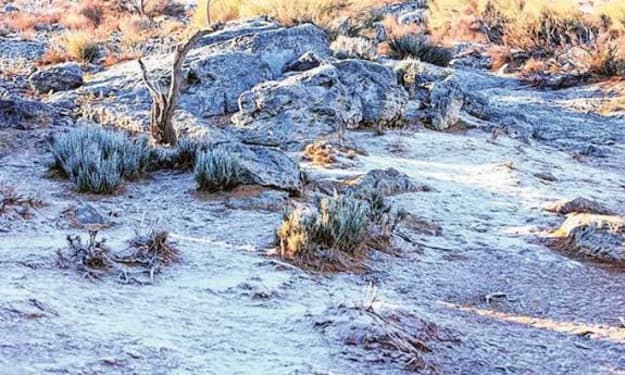
UAE Enters Al Shabt: Brace for Winter’s Coldest Days
The United Arab Emirates is set to experience one of the harshest winter spells in recent memory as the country enters Al Shabt, a period traditionally associated with extreme cold. Residents across the emirates are being urged to prepare for temperatures that are expected to drop well below seasonal averages, with potential disruptions to daily life, travel, and energy consumption. Meteorologists have warned that Al Shabt, historically marked by icy winds and sudden temperature dips, will this year be particularly severe due to a combination of regional weather patterns and shifting global climatic trends. Forecasters predict nighttime temperatures in some areas could drop to as low as 8–10°C, a significant decline for a country more accustomed to mild winters. Coastal regions may experience slightly warmer conditions, but the cold will be intensified by strong northern winds sweeping across the Arabian Peninsula. Understanding Al Shabt Al Shabt, which translates to “the coldest part of winter,” is a term deeply embedded in Gulf traditions. Historically, Bedouins and farmers used the period to plan agricultural activities, livestock care, and resource management. Today, while modern infrastructure and urban planning mitigate some effects of the cold, the cultural significance remains, and residents are reminded of its intensity through historical observations and local weather lore. “Al Shabt is more than a cultural marker—it’s a meteorological reality,” said Dr. Aisha Al Mansoori, a senior climatologist at the UAE National Center for Meteorology. “We are observing patterns that suggest this Al Shabt could be colder than usual. Residents should take precautions, especially in northern and inland regions where the temperature drop will be most pronounced.” Preparing for the Cold Authorities across the UAE are taking proactive measures to help residents and businesses prepare for the upcoming cold spell. The Ministry of Interior has issued advisories for motorists to check vehicle heating systems and tire conditions, while electricity and water authorities are ensuring that energy grids are ready for increased demand. Hospitals and emergency services have also been put on alert to handle potential cold-related health incidents. Schools and universities are expected to remain open, but parents are being advised to dress children in warm layers and limit outdoor exposure, especially during early morning and late evening hours. Workplaces are encouraged to implement flexible schedules to reduce the risks associated with commuting during frigid mornings. Travel and Transportation Challenges The UAE’s extensive road network and urban infrastructure may face some challenges during Al Shabt. While snow is highly unlikely, fog formation during the early morning hours could reduce visibility, leading to potential travel disruptions. Aviation authorities are coordinating with meteorologists to monitor conditions at major airports, ensuring that flights remain on schedule while prioritizing passenger safety. “Drivers should exercise caution and plan extra time for their journeys,” said Hamad Al Suwaidi, a senior official at the Roads and Transport Authority. “Even a minor dip in temperature can create slick roads in certain areas, and we advise everyone to remain vigilant and adhere to safety guidelines.” Impact on Daily Life Beyond transportation, the cold weather is expected to affect outdoor events, construction projects, and energy consumption. Many outdoor workers may need additional protective clothing, while households will see a surge in electricity usage for heating. Retailers and service providers are preparing for increased demand for warm clothing, heaters, and other winter essentials. Health experts emphasize the need for precautions, particularly among vulnerable populations such as the elderly, children, and individuals with preexisting conditions. “Cold weather can exacerbate respiratory illnesses and cardiovascular problems,” said Dr. Mohammed Al Hammadi, a public health specialist. “Hydration, proper clothing, and staying indoors during the coldest hours are key measures to minimize health risks.” Looking Ahead While Al Shabt is expected to last for several days, meteorologists suggest that the period of extreme cold will gradually ease as the region transitions toward milder winter conditions. Nevertheless, residents are advised to remain prepared and informed, as sudden weather shifts are common in the Gulf. “The key to navigating Al Shabt is awareness and readiness,” Dr. Al Mansoori concluded. “The cold may be intense, but with proper precautions and respect for the weather, residents can stay safe and even enjoy the unique aspects of this traditional winter period.” In the coming days, the UAE will experience an unusual contrast—desert landscapes typically associated with warmth will be gripped by biting cold, reminding residents of the country’s diverse climatic character. As the nation braces for Al Shabt, the emphasis is on preparation, safety, and resilience, ensuring that the coldest days of winter are met with caution rather than surprise.
By Fiaz Ahmed Brohi3 days ago in Earth



Comments
There are no comments for this story
Be the first to respond and start the conversation.