
Natural Gas Prices Hit $6 for First Time Since 2022 as Massive Winter Storm Sweeps U.S.
Severe Winter Weather Drives Energy Costs Higher

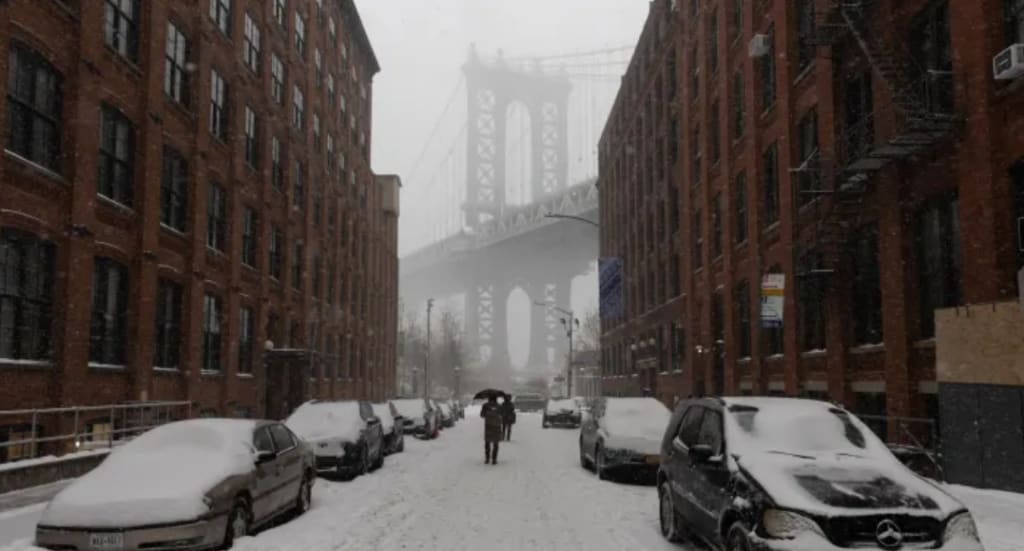
Natural gas prices in the United States surged to $6 per million British thermal units (MMBtu) for the first time since 2022, as a massive winter storm sweeps across the country. The extreme cold, heavy snowfall, and icy conditions have increased demand for heating, putting pressure on energy markets and affecting millions of households and businesses.
This spike highlights the delicate balance between supply and demand during severe weather events and underscores the vulnerability of energy infrastructure to natural disruptions.
How the Winter Storm Triggered the Price Surge
The winter storm, which has impacted large parts of the Midwest, Northeast, and Eastern Seaboard, caused temperatures to plummet far below seasonal averages. As a result, natural gas consumption for heating skyrocketed.
Energy analysts explained that demand for heating fuels often spikes during extreme weather, creating short-term volatility in gas prices. Combined with transportation challenges caused by icy roads and snow-blocked pipelines, the supply side struggled to keep pace with demand, pushing prices higher.
Natural Gas: A Critical Heating Source
In the U.S., natural gas is a primary source of home heating, powering furnaces, boilers, and water heaters. During winter months, particularly in regions that experience harsh cold, households rely heavily on gas to maintain safe indoor temperatures.
The recent storm exposed the fragility of supply chains, showing how extreme weather events can rapidly affect both consumer costs and broader market dynamics.
Implications for Consumers
For average households, higher natural gas prices mean increased utility bills. Many families have already reported significant spikes in heating costs, with some seeing monthly bills rise by 20–30% compared to the same period last year.
This surge particularly affects:
Low- and middle-income households, which spend a higher share of income on utilities
Regions heavily dependent on natural gas for heating
Businesses and industries with energy-intensive operations
Energy experts are urging households to monitor usage, consider energy efficiency measures, and explore alternative heating options if possible.
Energy Markets and Investment Implications
The natural gas price surge also impacts financial markets. Energy companies may see higher revenues in the short term, benefiting investors in gas-related stocks and commodities. However, prolonged price increases can hurt industrial users and consumers, potentially affecting economic growth.
Traders are closely monitoring storage levels, pipeline capacities, and weather forecasts to predict how long the price spike might last. Market analysts note that such volatility is common during winter months but is accentuated during severe weather events like the current storm.
Supply Challenges Amid Extreme Weather
Transportation and delivery of natural gas are critical to ensuring homes and businesses remain heated. The winter storm created multiple logistical challenges:
Icy roads slowed tanker deliveries
Snow and ice affected pipeline maintenance crews
Power outages and grid stress compounded the problem
These disruptions demonstrate that even well-established energy systems are vulnerable to extreme weather, prompting discussions about infrastructure resilience and emergency preparedness.
Government and Utility Responses
Federal and state agencies, along with utility providers, have implemented measures to mitigate the impact on consumers:
Some utilities have offered payment deferrals or assistance programs for low-income households
Emergency energy reserves have been tapped to stabilize supply
Officials are coordinating with energy companies to prioritize critical delivery areas
While these steps help, analysts warn that consumers should anticipate continued price volatility as the storm moves through various regions.
Broader Implications for Energy Policy
The surge in natural gas prices highlights long-term energy policy challenges. Policymakers and energy experts are increasingly debating:
The need for diversified energy sources to reduce dependency on natural gas
Investments in energy efficiency and grid modernization
Strategic reserves and contingency planning for extreme weather events
These discussions are especially relevant in the context of climate change, which may increase the frequency and intensity of extreme weather events, further stressing energy systems.
Preparing for Winter Energy Volatility
For households and businesses, preparation is key. Energy experts recommend:
Monitoring weather forecasts and utility alerts
Reducing energy waste through insulation, programmable thermostats, and efficient appliances
Exploring backup heating options or renewable energy sources
Budgeting for potential spikes during severe winter months
Preparedness not only helps manage costs but also reduces strain on energy infrastructure during peak demand periods.
Looking Ahead
As the winter storm continues to move across the U.S., natural gas prices may remain elevated for the coming days. Market watchers expect some relief once temperatures stabilize and pipelines operate at full capacity. However, the event underscores the vulnerability of energy markets to weather and the importance of robust planning and infrastructure investment.
For policymakers, utilities, and consumers alike, the lesson is clear: extreme weather can rapidly reshape energy demand and prices, and proactive measures are necessary to mitigate economic and social impacts.
Final Thoughts
The recent spike in natural gas prices to $6 per MMBtu serves as a stark reminder of the interconnectedness of weather, energy markets, and household budgets. While the winter storm is a temporary disruption, it illustrates long-standing challenges in energy policy, infrastructure resilience, and consumer preparedness.
For Americans across the country, staying informed, conserving energy where possible, and preparing for price fluctuations are essential steps in navigating these winter challenges. The storm may pass, but the lessons for energy planning and household budgeting will remain relevant for years to come.
About the Creator
Muhammad Hassan
Muhammad Hassan | Content writer with 2 years of experience crafting engaging articles on world news, current affairs, and trending topics. I simplify complex stories to keep readers informed and connected.
Keep reading
More stories from Muhammad Hassan and writers in Earth and other communities.
"That Is a Whole Brigade of Red Flags": Adults Over 30 Reveal the Things Every Younger Person Should Know
Growing up can feel like navigating a maze without a map. Mistakes, missteps, and surprises are part of the journey, but guidance from those who’ve already traveled the path can be invaluable. Recently, a trend has emerged where adults over 30 are sharing the key lessons they wish younger people knew—covering everything from relationships and finances to career choices and personal well-being. The consensus? Life is complicated, but awareness can prevent some of the biggest mistakes. Relationships: Spotting the Red Flags Early One of the most common themes in these shared insights is relationships. Adults repeatedly emphasize the importance of recognizing “red flags” early—behaviors or patterns that signal potential trouble in romantic partnerships or friendships. Comments from social media and discussion threads include advice like: “That person constantly dismisses your feelings? Red flag.” “If someone only shows up when it’s convenient for them, don’t ignore it.” “Pay attention to how someone treats people around them, not just how they treat you.” One adult summed it up bluntly: “That is a whole brigade of red flags. Don’t brush it off because it’s easier to stay.” These warnings highlight that emotional awareness and self-respect are essential skills that often come with experience—but younger people can learn them sooner. Financial Wisdom: Learn It Early Another area where older adults wish they had shared knowledge: money management. Many people over 30 reflect on early financial mistakes, from unnecessary debt to poor saving habits. Key advice includes: Start saving as early as possible, even if it’s a small amount. Understand the impact of credit cards and interest rates. Don’t fall into the “keeping up with friends” trap—lifestyle inflation can be deadly. One adult noted, “I wish someone told me that your 20s are for building security, not impressing people. Your future self will thank you.” The pattern is clear: financial literacy is a skill that pays dividends long before it becomes urgent. Career and Work-Life Balance Adults over 30 also emphasize lessons about work, careers, and ambition. Many regret spending too much time chasing prestige or external validation, rather than finding roles that match their values or talents. Tips shared by experienced workers include: Learn to say no to toxic work environments. Don’t ignore mental health in pursuit of career success. Seek mentorship early, but also trust your own judgment. One common refrain: “Your first job is a learning experience, not a lifetime commitment. Don’t be afraid to pivot.” These insights suggest that career strategy isn’t just about climbing the ladder—it’s about long-term fulfillment and avoiding burnout. Health and Well-Being: Habits Matter Health is another domain where older adults wish they had more guidance in their 20s. Many stress the importance of establishing healthy habits early, rather than assuming youth will protect them indefinitely. Practical advice includes: Exercise regularly, even moderately, to avoid long-term issues. Develop a routine around sleep and nutrition. Address mental health proactively; therapy is not just for crises. An adult shared, “You can’t bank youth. Bad habits compound faster than you think.” These messages reinforce that health is not just physical but also mental, and early attention can prevent decades of struggle. Emotional Intelligence and Communication Another recurring lesson involves emotional intelligence and communication skills. Adults note that misunderstandings, conflict, and resentment often arise from poor communication, something younger people might underestimate. Some advice includes: Learn to express feelings without blame or aggression. Recognize your own triggers before reacting. Practice empathy and active listening—it pays off in friendships, work, and romantic relationships. The emphasis here is clear: emotional maturity can prevent repeated mistakes and improve both personal and professional relationships. Social Media and Perception Many older adults also caution about social media pitfalls. In a world dominated by curated images and constant comparison, it’s easy for younger people to feel inadequate or chase validation. Key tips include: Don’t measure your worth by likes or followers. Take breaks from social media when needed. Remember that people rarely post their struggles online. One reflection captures it perfectly: “Everyone looks like they have it together online, but life isn’t filtered. Don’t let comparison steal your confidence.” The Common Thread: Awareness Saves Time Across these lessons, one theme stands out: awareness is power. Adults over 30 are essentially saying that many mistakes are preventable if younger people pay attention to patterns, trust intuition, and act with foresight. Whether it’s spotting red flags, managing finances, choosing a career, or caring for health, small actions early in life can prevent long-term struggles. The shared wisdom is not about fear or pessimism—it’s about preparing for reality while still enjoying youth. Why Younger People Should Listen Learning from others’ experiences can shorten the trial-and-error period of early adulthood. Younger adults are not expected to avoid mistakes completely, but awareness can: Reduce unnecessary hardship Improve decision-making in relationships, finances, and careers Build emotional resilience Encourage self-reflection and intentional living Adults over 30 often wish they could hand these lessons over like a cheat sheet, highlighting that some knowledge is timeless. Final Thoughts The collective advice from adults over 30 reminds younger people that life is full of lessons—some learned the hard way, others passed down through guidance. Red flags in relationships, financial prudence, career choices, health habits, and emotional intelligence are all areas where early awareness can make a significant difference. In the end, the takeaway is clear: listen, reflect, and take action. Life won’t wait, but the wisdom of those who’ve already lived through its challenges can help younger generations navigate the path more smoothly. By paying attention to the “brigade of red flags” and heeding experienced advice, younger people can make more informed choices, avoid repeated mistakes, and approach adulthood with confidence.
By Muhammad Hassan3 days ago in Earth
Beckhams Spotted Together in Paris After Brooklyn Row
A Family Reunion in the City of Light David and Victoria Beckham were recently spotted together in Paris, drawing attention from fans and media alike. The appearance comes shortly after reports of a disagreement between the famous couple and their eldest son, Brooklyn Beckham, who has been navigating his own professional and personal endeavors.
By Aarif Lashari2 days ago in Earth



Comments
There are no comments for this story
Be the first to respond and start the conversation.