
NASA's Latest Satellite Reveals Shocking Heat Movement Deep in the Ocean
"Groundbreaking Discovery Sheds Light on Hidden Ocean Heat Patterns"
**NASA's Latest Satellite Reveals Shocking Heat Movement Deep in the Ocean**
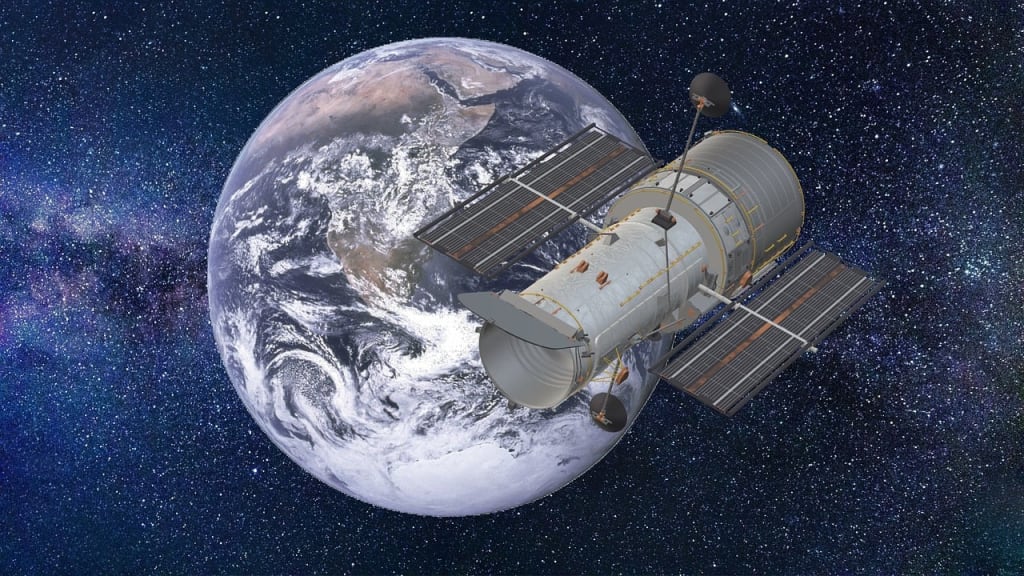
In a groundbreaking discovery, NASA's latest satellite has unveiled shocking patterns of heat movement deep beneath the ocean's surface. For decades, scientists have been trying to understand how heat moves through the oceans, which play a crucial role in regulating the planet’s climate. With the help of advanced satellite technology, NASA has been able to observe previously hidden heat flows that have significant implications for climate change, marine ecosystems, and global weather patterns.
### Decoding Ocean Heat's Mysterious Origins NASA’s new satellite, equipped with cutting-edge sensors, is capable of measuring heat at depths that were once inaccessible. Traditionally, oceanic heat flow has been studied through limited data from buoys and deep-sea probes, which only provide snapshots of specific regions and depths. The new satellite, however, offers a global, real-time view of how heat is distributed and moves throughout the world’s oceans, allowing scientists to monitor these processes on a larger scale.
One of the most surprising findings from this satellite data is the rapid and sometimes erratic movement of warm water masses deep below the surface. These heat flows, previously thought to be stable or predictable, are far more dynamic than scientists had imagined. They appear to be influenced not only by surface weather events like hurricanes but also by more profound, long-term shifts in ocean currents and temperatures that are directly tied to climate change.
### The Role of Oceans in Climate Regulation
Oceans have long been recognized as the Earth’s primary heat reservoir, absorbing much of the excess heat caused by global warming. However, understanding how heat moves through the ocean is crucial for predicting how this absorption will affect global weather patterns and sea levels. The new satellite data suggests that heat is being transported more rapidly to deeper layers of the ocean than previously thought, which could have a profound effect on ocean circulation systems.
The effects of this heat transfer on deep ocean currents like the Atlantic Meridional Overturning Circulation (AMOC), which control Northern Hemisphere climate patterns, are of particular concern to scientists. The AMOC, which helps moderate temperatures across Europe and North America, has been weakening in recent decades. The new satellite data suggests that an influx of heat could be accelerating these changes, with unpredictable consequences for global climate stability.
### Impact on Marine Ecosystems
Aside from its implications for climate change, the shifting heat dynamics beneath the ocean are also having a significant impact on marine life. As warm water moves into deeper layers, it alters the conditions that many marine species rely on for survival. Coral reefs, for instance, may be more susceptible to bleaching and extinction as a result of their temperature-sensitive environment. Additionally, many fish species that rely on cooler waters may be forced to migrate to new areas, disrupting entire ecosystems.
Scientists are also concerned that these unexpected heat movements could lead to the destabilization of oceanic food webs, affecting everything from plankton to top predators like sharks and whales. With many ocean ecosystems already under stress from overfishing and pollution, this new heat data could help researchers develop more effective strategies for conservation.
### What’s Next?
While the initial findings from NASA’s satellite are remarkable, they are just the beginning. Researchers are continuing to analyze the data to uncover deeper insights into how heat is moving through the ocean and how these changes will affect both the climate and marine life. The satellite's ability to monitor heat distribution globally and over time provides an unprecedented opportunity to study ocean dynamics and predict future changes.
The results of this research could also inform policy decisions on how to mitigate the effects of climate change. For instance, understanding how ocean heat flows are altering weather patterns could help governments prepare for more intense storms or droughts. Moreover, insights into marine ecosystems could guide conservation efforts and help protect vulnerable species from the changing environment.
In conclusion, NASA’s latest satellite has given scientists an entirely new perspective on the movement of heat within the world’s oceans, revealing patterns that are as fascinating as they are alarming. As this technology continues to advance, the data it provides will be vital for understanding and addressing the complex challenges of climate change and ocean health. The deep ocean, once a largely mysterious realm, is now a key area of study in the fight to protect our planet's future.
About the Creator
Without Democracy, Donald Trump’s Venezuelan Oil Quest Will Fail
Donald Trump’s renewed interest in Venezuelan oil may seem, on the surface, like a hard-nosed geopolitical calculation. Venezuela holds the world’s largest proven oil reserves, and amid global energy uncertainty, access to those resources is undeniably tempting. But history, economics, and politics all point to the same conclusion: without democratic reform in Venezuela, any attempt by a Trump-led US administration to secure reliable Venezuelan oil will ultimately fail.
By Aarif Lashari5 days ago in Earth
So You Decided To Become a Nurse Practitioner:
So you decided to become an "Advanced Practice" nurse. Congratulations!... is what I would say if this was a good idea. Grad school? In this economy? What were you thinking? Likely it was something along the lines of either 1) “I've seen these other chucklefucks do it— Why can't I?” or even 2) “I've got a nice career, I should shake it up. I miss feeling like I have no clue what I'm doing.”
By Sandor Szabo2 days ago in Fiction



Comments
There are no comments for this story
Be the first to respond and start the conversation.