
Narwhal (Monodon monoceros): The Mythical Unicorn of the Sea
The Mythical Unicorn of the Sea

Introduction
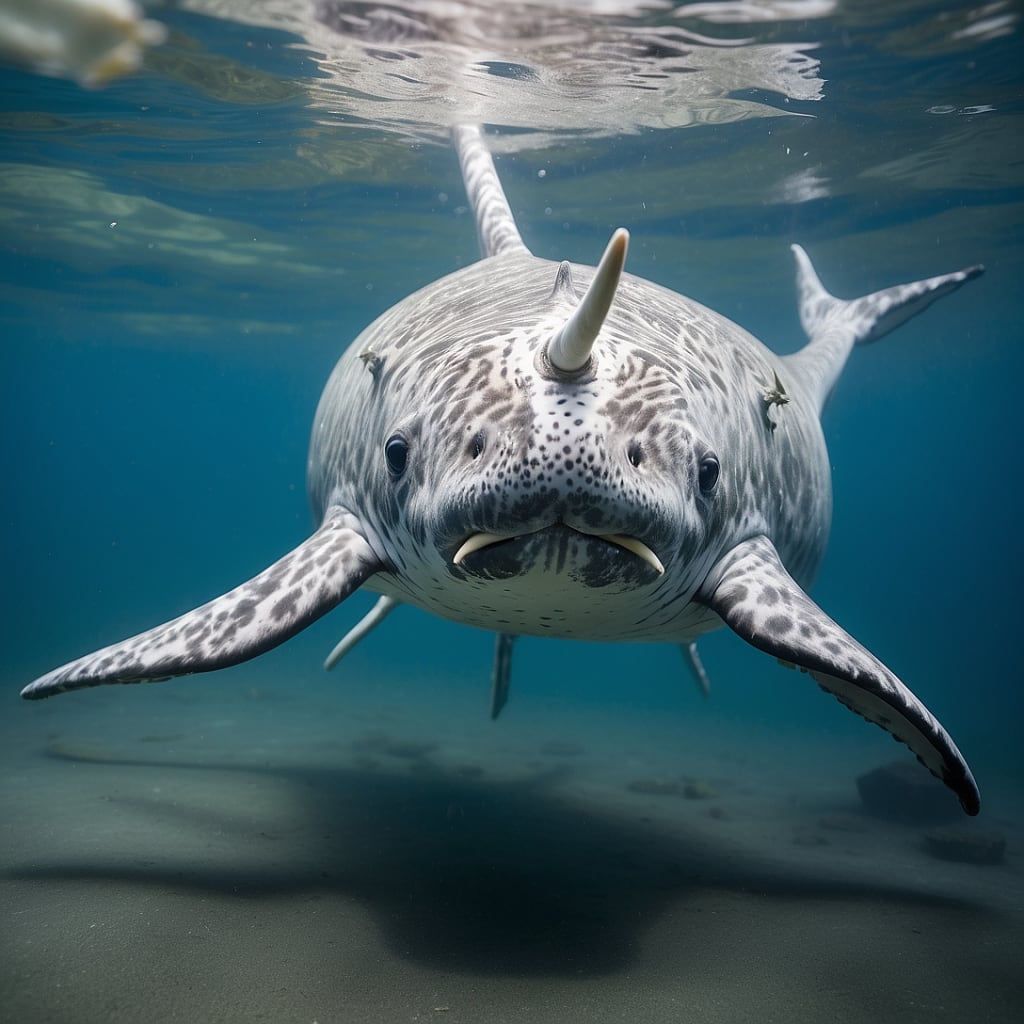
Narwhals (Monodon monoceros), often referred to as the "unicorns of the sea," are mysterious and enchanting creatures of the Arctic waters. These remarkable whales are renowned for their long, spiral tusks, which have intrigued scientists and fascinated humans for centuries. This comprehensive guide delves into the intricate details of narwhal life, exploring their habitat, behavior, and the critical conservation efforts to protect these unique marine mammals.
Table of Contents
Heading: Sub-Topics
Introduction to Narwhals: General overview, historical significance
Physical Characteristics of Narwhals: Size, coloration, unique features
The Narwhal Tusk: Nature's Mystery: Structure, purpose, myths and legends
Habitat and Distribution Arctic regions, migration patterns:
Diet and Hunting Techniques Prey, hunting methods, ecological role
Social Structure and Behavior: Group dynamics, communication
Reproduction and Lifespan: Breeding, calf development, lifespan
Adaptations to Arctic Life: Survival strategies, physical adaptations
Threats to Narwhal Populations: Climate change, human activities
Conservation Efforts and Strategies: Protection measures, organizations involved
Narwhals in Indigenous Cultures: Cultural significance, traditional uses
Scientific Research and Discoveries: Recent studies, ongoing research
Narwhals and Climate Change: Impact of warming Arctic, future predictions
Narwhals in Popular Culture: Media appearances, symbolic meanings
Myths and Legends of the Narwhal: Historical myths, modern interpretations
Narwhal Interaction with Other Species: Predators, prey, ecosystem relationships
Human Impact on Narwhals: Fishing, pollution, noise disruption
Future of Narwhal Populations: Conservation outlook, scientific predictions
Narwhal Watching and Ecotourism: Best locations, ethical considerations
FAQs about Narwhals: Common questions and answers
Conclusion: Summary of key points, final thoughts
Introduction to Narwhals
Narwhals, or Monodon monoceros, are enigmatic marine mammals inhabiting the Arctic waters. Known for their iconic tusks, narwhals have long captivated the imaginations of people across the globe. These creatures, often called the "unicorns of the sea," are deeply ingrained in the cultural and natural history of the Arctic region.
Physical Characteristics of Narwhals
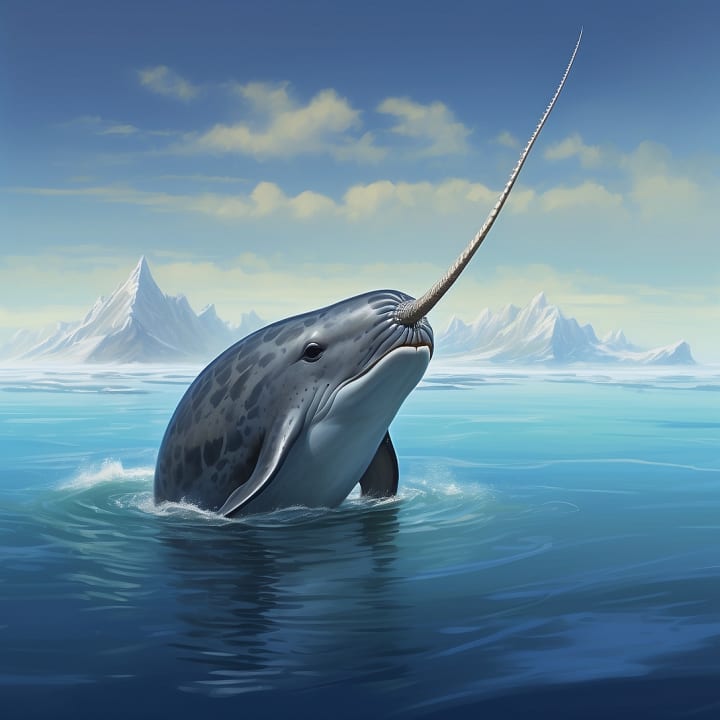
Narwhals are medium-sized whales, with males typically reaching lengths of 13 to 18 feet, and females slightly smaller. Their coloration is mottled, with a blend of gray and white, which aids in camouflage against the icy Arctic waters. The most striking feature of the narwhal is the long, spiral tusk protruding from the head of males, and occasionally females.
The Narwhal Tusk: Nature's Mystery
The narwhal's tusk is actually an elongated tooth that can grow up to 10 feet long. It spirals counterclockwise and is primarily found in males. The exact purpose of the tusk is still debated, but it is believed to play a role in mating rituals and social hierarchy. Myths and legends have long surrounded the tusk, with medieval Europeans often mistaking it for the horn of the mythical unicorn.
Habitat and Distribution
Narwhals are native to the Arctic waters, particularly around Greenland, Canada, and Russia. They prefer deep waters and are known for their seasonal migrations, traveling from coastal summering grounds to deeper offshore wintering areas.
Diet and Hunting Techniques
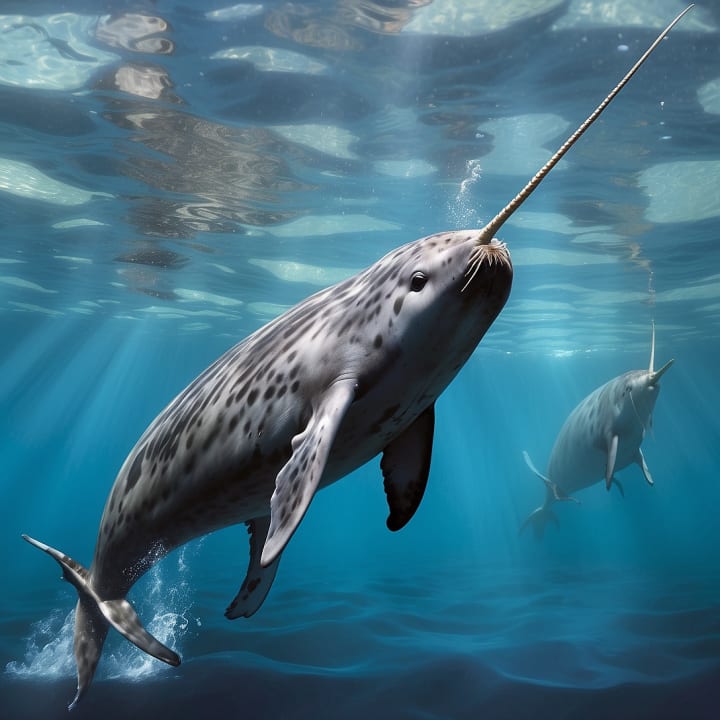
Narwhals primarily feed on fish, squid, and shrimp. Their diet varies seasonally, with a preference for halibut, Arctic cod, and Greenland halibut. Narwhals use echolocation to locate their prey, often diving to depths of over 1,500 meters in search of food.
Social Structure and Behavior
Narwhals are social animals, typically found in groups called pods, which can range from a few individuals to several dozen. They communicate using a variety of clicks, whistles, and knocks. These vocalizations play a crucial role in maintaining group cohesion and coordinating hunting efforts.
Reproduction and Lifespan
Breeding season for narwhals occurs in the spring. After a gestation period of about 14 months, females give birth to a single calf. Calves are nurtured and protected by their mothers for up to two years. Narwhals can live up to 50 years, although many fall prey to natural predators or human activities before reaching this age.
Adaptations to Arctic Life
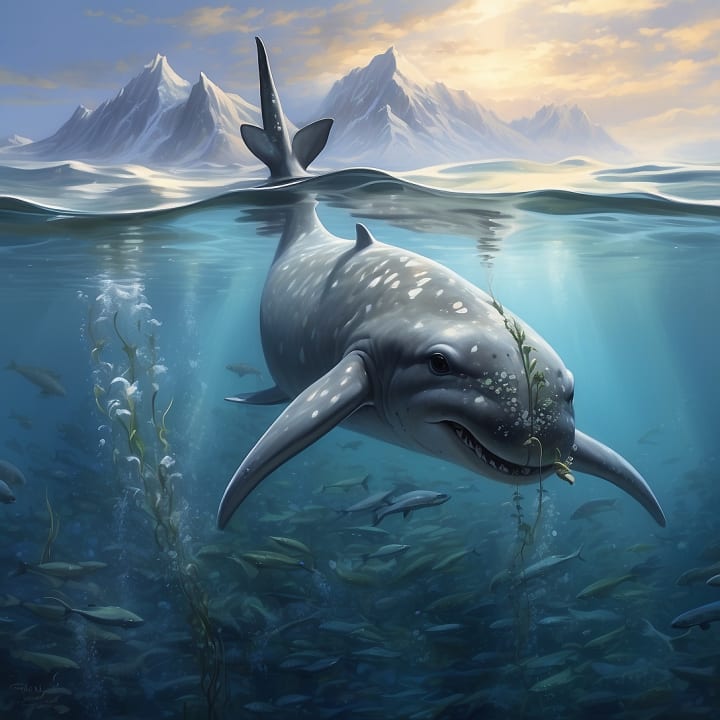
Narwhals have several adaptations that enable them to thrive in the harsh Arctic environment. Their blubber layer provides insulation against the cold, and their ability to slow their heart rate allows them to conserve oxygen during deep dives. Additionally, their flexible necks aid in navigating through pack ice.
Threats to Narwhal Populations
Climate change poses the most significant threat to narwhal populations, leading to loss of sea ice and changes in prey distribution. Human activities such as commercial fishing, shipping, and oil exploration also disrupt their habitat and increase the risk of entanglement and noise pollution.
Conservation Efforts and Strategies
Conservation organizations are working tirelessly to protect narwhal populations through various measures. These include establishing marine protected areas, conducting research to inform policy, and collaborating with Indigenous communities. International agreements like the Arctic Council also play a role in coordinating conservation efforts across borders.
Narwhals in Indigenous Cultures
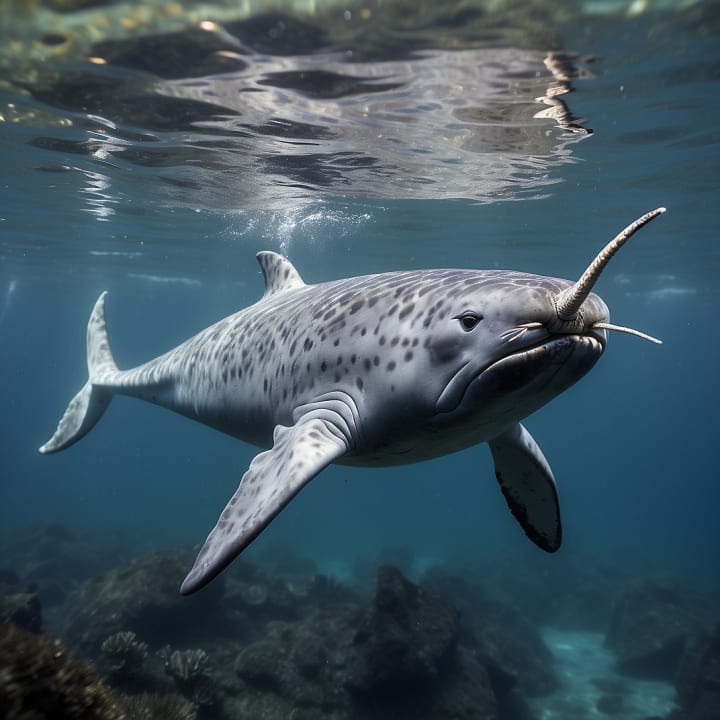
Narwhals hold great cultural significance for Indigenous peoples of the Arctic, such as the Inuit. They are traditionally hunted for their meat and ivory, which are used for food and crafting. Indigenous knowledge and practices are crucial in the sustainable management of narwhal populations.
Scientific Research and Discoveries
Recent scientific research has provided deeper insights into narwhal behavior, physiology, and ecology. Studies using satellite tracking have revealed detailed migration patterns, while genetic research has uncovered information about population structure and health.
Narwhals and Climate Change
The impact of climate change on narwhals is profound. As Arctic ice melts, narwhals face challenges in finding food and avoiding predators. Changes in sea ice also affect their migration routes and breeding grounds. Researchers are closely monitoring these changes to predict future impacts and guide conservation strategies.
Narwhals in Popular Culture
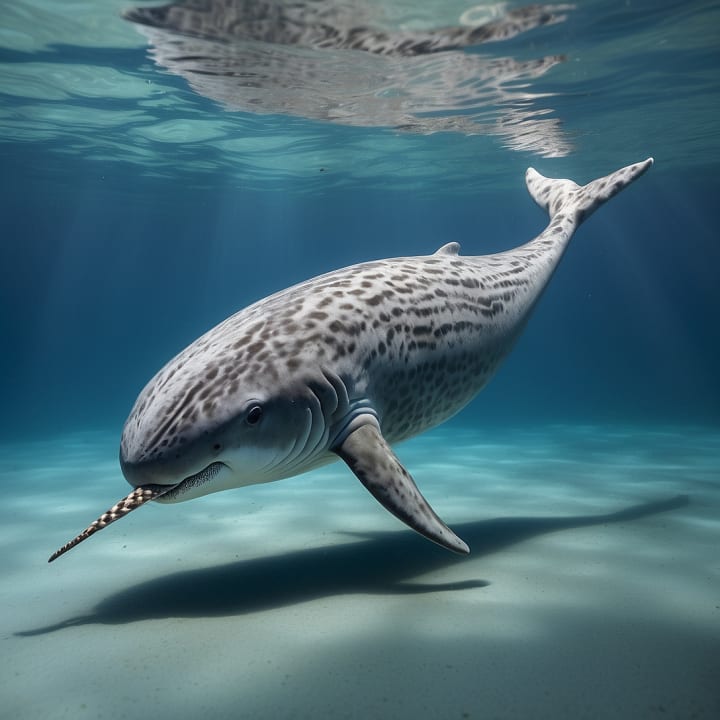
Narwhals have made appearances in various forms of media, from children’s books to movies. Their mystical tusk and elusive nature continue to capture the public’s imagination, often symbolizing the unknown and the wonder of the natural world.
Myths and Legends of the Narwhal
Throughout history, the narwhal's tusk has been the source of many myths and legends. Medieval Europeans believed it to be the horn of the unicorn, attributing magical properties to it. These stories have persisted through the ages, blending scientific curiosity with folklore.
Narwhal Interaction with Other Species
Narwhals share their Arctic habitat with a variety of other marine species. They are preyed upon by orcas and occasionally by polar bears. Their relationship with other species, such as Arctic cod and squid, is crucial for maintaining the balance of the marine ecosystem.
Human Impact on Narwhals
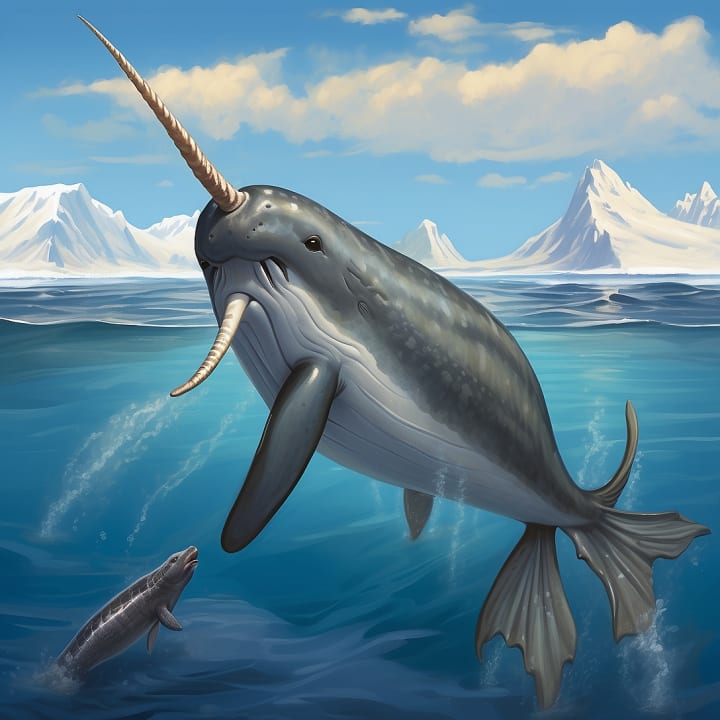
Human activities significantly impact narwhals. Commercial fishing leads to entanglement and bycatch, while noise pollution from shipping and industrial activities disrupts their communication and echolocation. Efforts to mitigate these impacts are essential for the survival of narwhal populations.
Future of Narwhal Populations
The future of narwhals depends on the success of conservation efforts and the global response to climate change. Protecting their habitat, reducing human impacts, and supporting sustainable practices are critical for ensuring the survival of these iconic Arctic whales.
Narwhal Watching and Ecotourism
Narwhal watching has become a popular ecotourism activity in the Arctic. Responsible tourism practices are essential to minimize disturbance to the animals and their habitat. Visitors can witness narwhals in their natural environment, gaining a deeper appreciation for these incredible creatures.
FAQs about Narwhals
What is the purpose of a narwhal's tusk?
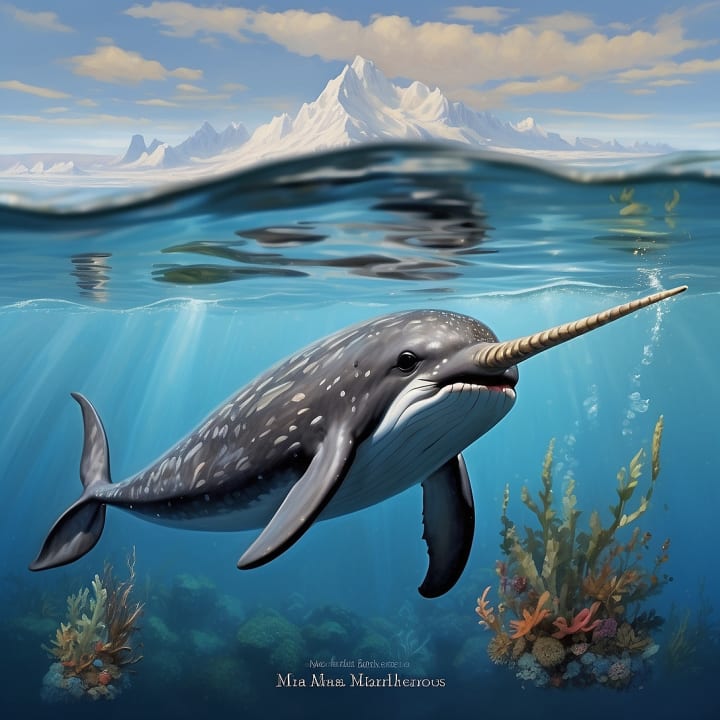
The exact purpose of the narwhal's tusk is still not fully understood, but it is believed to play a role in social interactions, mating rituals, and sensing the environment.
How long do narwhals live?
Narwhals can live up to 50 years, although many face threats from natural predators and human activities that can shorten their lifespan.
Where do narwhals live?
Narwhals are found in the Arctic waters of Greenland, Canada, and Russia. They migrate seasonally between coastal and offshore areas.
What do narwhals eat?
Narwhals primarily eat fish, squid, and shrimp, with a preference for Arctic cod and Greenland halibut.
How do narwhals communicate?
Narwhals communicate using a variety of sounds, including clicks, whistles, and knocks, which help them coordinate hunting and maintain social bonds.
What are the main threats to narwhals?
The main threats to narwhals include climate change, which affects their habitat and prey availability, and human activities such as commercial fishing, shipping, and oil exploration.
Conclusion
Narwhals, the enchanting "unicorns of the sea," continue to captivate and inspire with their unique tusks and mysterious lives. Understanding and protecting these Arctic whales is vital for preserving the biodiversity of our oceans. Through ongoing research, conservation efforts, and sustainable practices, we can ensure that future generations will also marvel at the wonders of the narwhal
About the Creator
KingFree MaN
Our purpose is to serve others. We strive to understand their needs, identify what they seek and streamline the journey to help them reach their goals. By removing obstacles and creating clear paths we work to make their experience smoother
Reader insights
Nice work
Very well written. Keep up the good work!
Top insight
On-point and relevant
Writing reflected the title & theme
Keep reading
More stories from KingFree MaN and writers in Earth and other communities.
''Discover the Astonishing Star-Nosed Mole''
Introduction The star-nosed mole, scientifically known as Condylura cristata, is one of nature's most intriguing creatures. This small, burrowing mammal is easily identifiable by the 22 pink, fleshy appendages that surround its nose, giving it a distinctive star-like appearance. These appendages are not just for show; they are highly sensitive and play a crucial role in the mole's ability to detect prey through touch. Found primarily in the wet lowland areas of North America, the star-nosed mole is a marvel of evolutionary adaptation.
By KingFree MaNabout a year ago in Earth
High-Speed Train Crash in Southern Spain Leaves at Least 21 Dead
A devastating high-speed train crash in southern Spain has left at least 21 people dead and dozens injured, shocking the nation and triggering a major emergency response. The incident, which occurred on a busy rail route connecting key southern cities, has reignited concerns over railway safety, infrastructure maintenance, and emergency preparedness in one of Europe’s most advanced rail networks.
By Aarif Lashariabout 18 hours ago in Earth
Icy Chaos in Central and Eastern Europe
Winter has unleashed its fury across central and eastern Europe, leaving travelers frustrated and transport networks struggling to keep up. Over the past few days, freezing rain and ice have wreaked havoc on airports, train stations, and highways — forcing flight diversions, delaying trains, and making roads treacherously slippery. From Vienna to Budapest, Prague to Bratislava, this icy grip has brought travel to a near standstill. Let’s take a closer look at what’s happening, how it’s affecting people on the move, and what it tells us about winter travel in Europe. A Sudden Winter Blow A sudden wave of freezing rain swept across the region, coating runways, rail tracks, and roads with a dangerous layer of ice. Major airports in Austria, Hungary, Slovakia, and the Czech Republic were particularly affected. At Vienna International Airport, operations were temporarily suspended when runways became too slick for flights to land safely. Travelers already in the air had to divert to alternative airports in Munich, Frankfurt, and Venice. Meanwhile, Budapest’s Ferenc Liszt International Airport paused all arrivals and departures, and Prague’s Václav Havel Airport continued operating but at limited capacity. Trains Crawling Through Ice Rail networks weren’t spared. Across Austria, Hungary, and the Czech Republic, ice on tracks and power lines caused delays and cancellations. Austria’s national rail operator, ÖBB, urged passengers to postpone non-essential journeys. In the Czech Republic, travelers at Prague’s main station faced long waits as trains struggled to maintain schedules. Hungary’s tram and suburban rail services were temporarily suspended due to ice buildup on power lines. This combination of black ice, frozen switches, and heavy snowfall has tested the limits of winter infrastructure in Europe. Roads Turn Into Skating Rinks The icy weather didn’t just affect public transport — roads became treacherous, too. Authorities in Slovakia and the Czech Republic warned residents to avoid non-essential travel as highways turned into slippery skating rinks. Accidents and minor collisions were reported, and emergency services were busy responding to dozens of injuries from slips and falls. Even schools weren’t immune: parts of Romania shifted to online learning, keeping children safe during the extreme temperatures, which dropped to around -13°C in some areas. Why This Weather Is So Disruptive Meteorologists point to several factors that made this storm particularly severe: Freezing rain on top of existing snow creates an icy layer that’s extremely hard to clear. Rapidly refreezing surfaces make conditions unpredictable. Temperatures hovering around freezing prevent efficient melting during the day. This “perfect storm” scenario underscores just how vulnerable transport systems are to extreme weather. Even well-prepared airports and rail networks can struggle when weather transitions from snow to freezing rain. Voices From the Ground Passengers took to social media to express their frustration: Crowded airports as travelers scrambled to rebook flights. Train stations packed with delayed commuters, unsure when the next train would depart. Warming centers opened to provide shelter and hot drinks for stranded travelers. For many, a simple trip turned into a test of patience and resilience. Tips for Traveling in Freezing Conditions If you must travel during winter storms, experts recommend: Check flight and train schedules regularly, as delays can change quickly. Allow extra time for travel to avoid missing connections. Consider travel insurance that covers weather-related disruptions. If driving, carry winter essentials: blankets, food, water, and check road conditions before departure. Most importantly, prioritize safety over schedules — icy conditions can change rapidly, making travel risky. A Reminder From Winter This recent chaos in central and eastern Europe serves as a stark reminder of how interconnected transport systems are, and how vulnerable they can be to extreme weather. Flights grounded, trains stalled, and highways turned icy show that winter can bring travel to a halt — sometimes with very little warning. As Europe continues to face volatile winter conditions, travelers and authorities alike are reminded: preparation and flexibility are key. Sometimes, the weather truly has the final say. ❄️🛫🚆
By Muhammad Hassan5 days ago in Earth
Center Stage with Paul Stewart
*** I'm keen to republish the interviews I did for my series with Vocal creators. It's been a few years and I thought it might be nice to revisit these wonderful conversations. I'll be releasing them one at a time for a few weeks/months.
By Heather Hubler4 days ago in Interview



Comments (2)
Excellent piece
Cleverly done it.