
''Discover the Astonishing Star-Nosed Mole''
An In-Depth Exploration of the Unique Condylura cristata


Introduction
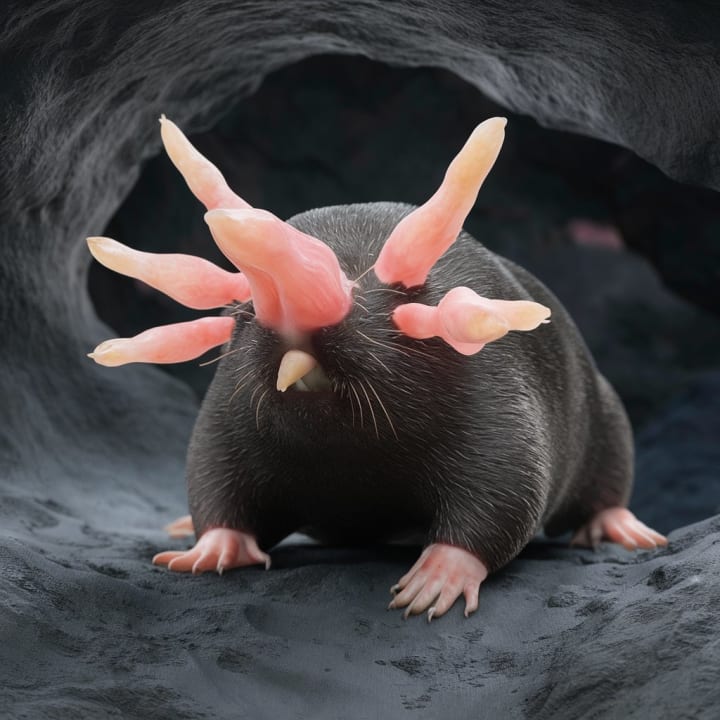
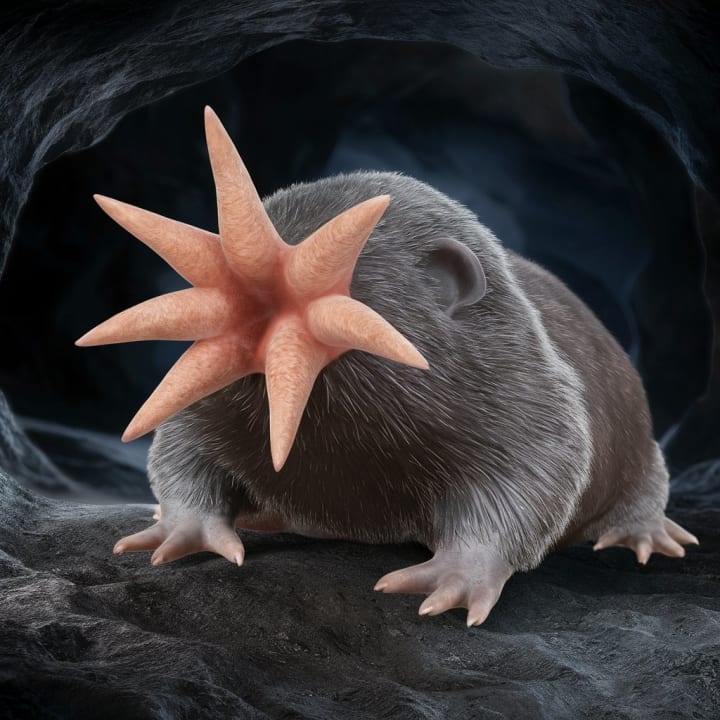
The star-nosed mole, scientifically known as Condylura cristata, is one of nature's most intriguing creatures. This small, burrowing mammal is easily identifiable by the 22 pink, fleshy appendages that surround its nose, giving it a distinctive star-like appearance. These appendages are not just for show; they are highly sensitive and play a crucial role in the mole's ability to detect prey through touch. Found primarily in the wet lowland areas of North America, the star-nosed mole is a marvel of evolutionary adaptation.
Table of Contents
Heading: Sub-Topics
Introduction: Overview of the star-nosed mole
Anatomy of the Star-Nosed Mole: Unique physical characteristics, Sensory appendages
Habitat and Distribution: Preferred environments, Geographic range
Behavioral Traits: Daily activities, Burrowing habits
Diet and Hunting Techniques: Prey detection, Feeding strategies
Reproduction and Life Cycle: Mating habits, Development of young
Adaptations for Survival: Evolutionary traits, Survival mechanisms
Interaction with Ecosystems: Role in the food web, Environmental impact
Conservation Status: Population trends, Conservation efforts
Interesting Facts: Unique behaviors, Record-breaking abilities
FAQs about Star-Nosed Moles: Common questions and detailed answers
Conclusion Summary of key points, Final thoughts
Anatomy of the Star-Nosed Mole
Unique Physical Characteristics
The star-nosed mole is an extraordinary creature, primarily due to its unique nose. The star-shaped structure is composed of 22 fleshy appendages called Eimer's organs, which are packed with sensory receptors. These appendages are highly sensitive to touch, allowing the mole to detect even the smallest vibrations in the soil. The mole's body is covered in dense, water-repellent fur that ranges from dark brown to black, helping it stay dry while navigating through wet environments. Additionally, the star-nosed mole has large, paddle-like forelimbs equipped with powerful claws for digging.
Sensory Appendages
The star-nosed mole's sensory appendages are a marvel of natural engineering. Each of the 22 appendages is lined with over 25,000 minute sensory receptors, making it one of the most sensitive touch organs among mammals. These receptors, known as Eimer's organs, allow the mole to rapidly identify and capture prey, making it an exceptionally efficient hunter. The appendages move quickly, touching up to 12 objects per second, which helps the mole to construct a detailed tactile map of its surroundings.
Habitat and Distribution
Preferred Environments
The star-nosed mole thrives in wet lowland areas where the soil is soft and easy to dig through. These environments include marshes, swamps, and along the banks of streams and rivers. The mole's preference for wet habitats is linked to its feeding habits, as these areas are rich in invertebrates and small aquatic creatures that make up its diet.
Geographic Range
The star-nosed mole is primarily found in the northeastern United States and southeastern Canada. Its range extends from the Atlantic coast westward to the Great Lakes region. Within this range, the mole is commonly found in states such as New York, Pennsylvania, and Maine, and provinces like Ontario and Quebec. Despite its specific habitat preferences, the star-nosed mole can occasionally be found in drier areas, particularly during wetter seasons.
Behavioral Traits
Daily Activities
The star-nosed mole is a busy and active creature, spending much of its time burrowing and foraging for food. It is a proficient digger, capable of creating extensive tunnel systems that serve as its living quarters and hunting grounds. These tunnels are often found near water sources, where prey is abundant.
Burrowing Habits
The mole's burrowing activities are both extensive and strategic. Its tunnels can be divided into two types: shallow tunnels used for foraging and deeper tunnels for nesting and refuge. The star-nosed mole's powerful forelimbs and sharp claws enable it to move through the soil with ease, creating a network of tunnels that can extend several hundred feet. These burrows provide protection from predators and harsh weather conditions, as well as a means to access food sources.

Diet and Hunting Techniques
Prey Detection
The star-nosed mole's diet primarily consists of small invertebrates, insects, and aquatic organisms. Its highly sensitive nose allows it to detect prey with incredible precision. The sensory appendages can identify and capture prey in as little as 120 milliseconds, making the star-nosed mole one of the fastest foragers in the animal kingdom.
Feeding Strategies
Once prey is detected, the mole uses its sharp teeth to capture and consume it quickly. The star-nosed mole's diet is diverse, including worms, beetles, larvae, and small crustaceans. During the winter months, when food is scarce, the mole relies on stored fat reserves and continues to forage in its tunnels, which often extend below the frost line to access unfrozen soil.
Reproduction and Life Cycle
Mating Habits
The breeding season for the star-nosed mole typically occurs in late winter or early spring. Males and females engage in brief courtship rituals before mating. The gestation period lasts approximately 45 days, resulting in the birth of a small litter of 2-7 young.
Development of Young
The newborn moles are blind and hairless, relying entirely on their mother for nourishment and protection. They develop rapidly, gaining fur and opening their eyes within a few weeks. By the time they are one month old, the young moles begin to explore their surroundings and learn to forage for food. They reach full maturity by the age of ten months and are capable of breeding in the following season.
Adaptations for Survival
Evolutionary Traits
The star-nosed mole has evolved several unique adaptations that enhance its survival in its wetland habitats. Its star-shaped nose, for instance, is not only a sensory powerhouse but also aids in underwater foraging. The mole's dense fur is another adaptation, providing insulation and buoyancy in waterlogged environments.
Survival Mechanisms
In addition to its physical adaptations, the star-nosed mole exhibits behaviors that increase its chances of survival. Its tunneling habits, for example, offer protection from predators and extreme weather. The mole's ability to detect and consume a wide variety of prey also ensures it has a steady food supply throughout the year.
Interaction with Ecosystems
Role in the Food Web
The star-nosed mole plays a crucial role in its ecosystem as both a predator and prey. By consuming large quantities of invertebrates, it helps control the population of these organisms, contributing to the balance of the ecosystem. Additionally, the mole itself serves as a food source for larger predators, such as owls, foxes, and weasels.
Environmental Impact
The burrowing activities of the star-nosed mole can significantly impact the environment. Its tunnels aerate the soil, promoting plant growth and improving soil health. Furthermore, the mole's presence in wetland areas indicates a healthy, functioning ecosystem, as it requires specific environmental conditions to thrive.
Conservation Status
Population Trends
The star-nosed mole is currently not considered endangered, and its population appears to be stable across its range. However, like many species, it faces potential threats from habitat destruction and environmental pollution. Wetland drainage and development can reduce suitable habitats, impacting mole populations.
Conservation Efforts
Conservation efforts for the star-nosed mole primarily focus on preserving wetland habitats and ensuring clean, pollutant-free environments. Protecting these areas not only benefits the star-nosed mole but also supports a wide range of other wildlife species that depend on wetland ecosystems.
Interesting Facts
Unique Behaviors
One of the most fascinating aspects of the star-nosed mole is its ability to detect and consume prey at astonishing speeds. It can identify and capture prey in a matter of milliseconds, making it one of the fastest foragers in the animal kingdom. Additionally, the mole is an excellent swimmer and can hunt underwater, a rare trait among moles.
Record-Breaking Abilities
The star-nosed mole holds the record for having the most sensitive touch organ among mammals. Its nose's sensory appendages can process information faster than the human brain, highlighting the extraordinary adaptations that enable its survival.

FAQs about Star-Nosed Moles
What makes the star-nosed mole's nose unique?
The star-nosed mole's nose is unique due to its 22 pink, fleshy appendages, known as Eimer's organs. These highly sensitive structures allow the mole to detect prey through touch with incredible precision.
Where can star-nosed moles be found?
Star-nosed moles are primarily found in wet lowland areas of North America, particularly in the northeastern United States and southeastern Canada.
How does the star-nosed mole hunt for food?
The star-nosed mole uses its highly sensitive nose to detect prey. It can identify and capture prey in as little as 120 milliseconds, making it an exceptionally efficient hunter.
What do star-nosed moles eat?
Star-nosed moles primarily eat small invertebrates, insects, and aquatic organisms, including worms, beetles, larvae, and small crustaceans.
Are star-nosed moles endangered?
No, the star-nosed mole is not currently considered endangered. Its population is stable, although habitat destruction and pollution pose potential threats.
How do star-nosed moles contribute to their ecosystem?
Star-nosed moles play a crucial role in their ecosystem by controlling invertebrate populations and aerating the soil through their burrowing activities, which promote plant growth.
Conclusion
The star-nosed mole is a remarkable example of nature's ingenuity. With its unique sensory appendages, specialized hunting techniques, and essential role in its ecosystem, this small mammal offers a fascinating glimpse into the complexities of adaptation and survival. By understanding and appreciating the star-nosed mole, we gain a deeper insight into the intricate balance of our natural world and the importance of conserving the habitats that sustain such incredible creatures
About the Creator
KingFree MaN
Our purpose is to serve others. We strive to understand their needs, identify what they seek and streamline the journey to help them reach their goals. By removing obstacles and creating clear paths we work to make their experience smoother
Reader insights
Nice work
Very well written. Keep up the good work!
Top insights
Excellent storytelling
Original narrative & well developed characters
Eye opening
Niche topic & fresh perspectives
Keep reading
More stories from KingFree MaN and writers in Earth and other communities.
The Astonishing World of the Axolotl (Ambystoma mexicanum)
Introduction The axolotl, often referred to as the "Mexican walking fish," is a unique species of salamander renowned for its incredible regenerative abilities and perpetual larval state. This remarkable creature, native to the lake complex of Xochimilco near Mexico City, offers a captivating glimpse into the wonders of nature and the intricacies of evolutionary biology. In this comprehensive article, we will explore the axolotl's biology, habitat, conservation status, and its significance in scientific research.
By KingFree MaNabout a year ago in Earth
United States Water Purifier Market Size & Forecast 2025–2033
United States Water Purifier Market Overview The United States Water Purifier Market is witnessing sustained growth as water safety concerns, health consciousness, and technological innovation converge to reshape household and commercial water consumption habits. According to Renub Research, the market is projected to expand from US$ 17.30 Billion in 2024 to US$ 29.73 Billion by 2033, registering a healthy CAGR of 6.20% from 2025 to 2033.
By Janine Root 5 days ago in Earth
The Ritual of Winter Challenge Winners
Welcome to the Winners Announcement for The Ritual of Winter challenge. This prompt focused on winter rituals and the meaning that settles into them over time. The top pieces stay grounded in ordinary acts and repeated routines, letting winter shape the work through pace, attention, and restraint.
By Vocal Curation Team3 days ago in Resources




Comments (1)
Wow , amazing never see anything like this in my lifetime