
Mulching For Effective Soil and Water Conservation
A Farming Frontier for Sustainable Food Production
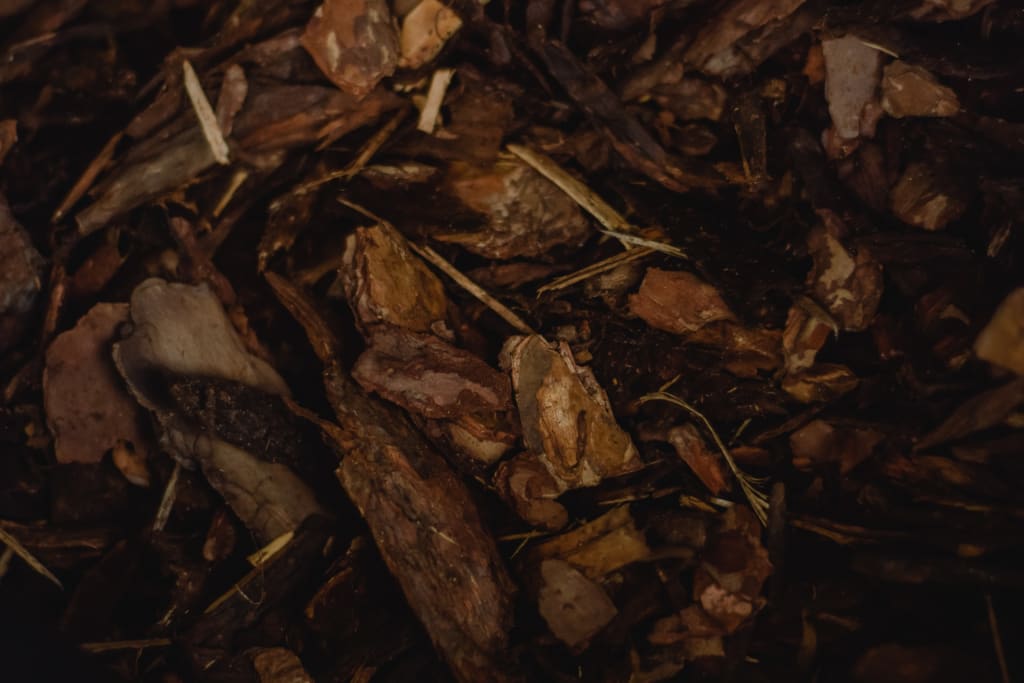
Mulching is one of the most common forms of agriculture practiced worldwide. However, we need to understand that mulching is not just about cutting grass and putting it over the soil. The mulching process is a lot more complex than that. This blog will explore the process of mulching, its types, and the different benefits that it can bring to the soil. The mulched materials are chosen to keep in mind the health of the soil, characteristics of the crop and the soil type.
ORGANIC MULCH
When it comes to replenishing nutrients in your garden, the first thing that springs to mind is mulch; organic mulches can give your garden a tremendous boost. Supplying
Using natural, sustainable ways, you can provide your plants with all of their nutrients when you apply other synthetic mulches high in chemicals. They are made up of various complicated chemicals that take years to degrade, posing a significant threat to the environment. It is highly harmful to the environment.
Mulch regulates soil temperature and moisture as the season progresses, preventing weed seedlings from germinating.
NATURAL MULCH
Make the switch to organic and watch your garden blossom! When it comes to mulches, these are the words you must remember. Organic mulches are excellent for gardens because they decompose quickly and provide a more sustained nutrition value in every dimension.
The most crucial reason to use natural and organic mulches is that synthetic chemical mulches cause significant damage to plant roots and the soil profile. This is an irreversible loss that will impact the health of your garden and plants! Some studies suggest that some of these chemical mulches dehydrate the soil, whereas organic mulches keep it well-hydrated.
Natural Mulch Comes in a Variety of Forms
There are a variety of natural mulches that can offer your garden all of the nutrients it needs to thrive, making it very happy! Natural mulches assist your plants in various ways, including suppressing weeds, preventing evaporation, maintaining appropriate pH and temperature for plant roots, and maintaining optimum soil moisture. Natural mulch comes in multiple shapes and sizes, so choose one that best suits your needs.
Black Mulch
This is the most commonly used natural mulch for gardens because it is readily available and blends in well with your plants, increasing the overall appearance of your garden. The best part is that they come in various natural colours based on the sources from which they were collected, and they degrade quickly. Bark Mulch is highly desirable because it can provide regular nourishment to your garden for at least a year.
Mocha Mulch
The colour mocha mulch is one of our most popular options. This is a terrific complement to your project, depending on the individual needs of your garden or plants. Shredded pine chips are used to make the mocha brown mulch. It's appropriately coloured to complement your plants and make your flower area seem fantastic.
Rustic Red
Rustic red mulch is the variety if you want to provide your plants with the same benefits as our other natural mulch varieties but with a reddish appearance. This colour is anything but dull. This is an excellent colour for you.
Compost
Compost is the most common type of natural mulch used in gardens today; the only thing you need to check for before using compost in your garden is that it is free of weed seeds and has been completely decomposed. A well-formed compost is one of the best natural mulches; however, the process is complicated and necessitates careful examination and supervision.
Straw
Straw is readily available in feed and livestock stores and many nurseries; the most significant part is that you can use your imagination to give your garden an exotic look with the added benefit of this type of natural mulch is inexpensive and highly effective. It lasts all season and keeps weeds at bay; however, you must be extremely cautious when purchasing them since some of the straws may contain weed seeds, which might backfire, which is why this sort of natural mulch is no longer often used.
Mould on the leaves
If you enjoy DIY hacks, then this is the one for you. To use this method, collect the leaves that fall from your tree and let them decompose in appropriate conditions for one week. This will provide high nutrient value and is a simple, quick-to-do tip that can provide some fantastic benefits.
Needles from Pine Trees
This could be fantastic news if you have a pine evergreen in your garden! You don't have to fight them; gather the pine needles and place them around a plant that needs protection from a well-formed mulch. The needles automatically knit themselves together to keep weeds at bay.
Because of its advantages, such as creating a picturesque view in the garden, nourishing for an entire year, and maintaining adequate weed control, Black Mulch, also known as Bark Mulch, would be the ideal mulch for your plants.
Bark mulch is the most excellent choice you can make when picking a mulch. It also works as a natural fertilizer, supplying nutrients to the garden regularly as it slowly decomposes over time. The best part about utilizing them is that they decay quickly and do not harm the environment around your plants. It also does not damage anyone. Nature mulch adds value to your garden by reducing weeds, retaining moisture, and maintaining the temperature and pH of the roots.
Maintains Soil Moisture- One of the most critical factors distinguishing black mulch from artificial and inorganic mulch is that natural mulches keep the soil wet and avoid root damage. Synthetic mulches tend to dry up your soil. The primary issue with artificial mulches is that they can cause irreversible damage to plant roots due to soil dryness.
About the Creator
Keep reading
More stories from Joshua Lopez and writers in Earth and other communities.
The right garbage bins make a big difference
Garbage bins come in shapes, sizes, and materials. Make sure to choose the right one for your situation. If you plan on using plastic garbage bins, you'll need airtight ones so they don't give off an odor. You might also want plastic bins that have an attached lid. If you're using outdoor containers, getting ones made of material that won't rust or absorb water is crucial.
By Joshua Lopez4 years ago in Earth
The BAFTA Awards
By now, in a stunning departure from recent years, most of the world is aware of what happened at the BAFTA film awards. Social Media Headlines will tell you the bare bones: that John Davidson, a Tourette's Syndrome advocate, shouted a racial slur at two Actors of Colour, Michael B Jordan and Delroy Lindo.
By Natasja Rose4 days ago in Psyche


Comments
There are no comments for this story
Be the first to respond and start the conversation.