
"Mongolia Travel Guide: Discover Nomadic Culture, Genghis Khan’s Legacy & the Gobi Desert"
"From Eagle Hunting to Endless Steppes—Why Mongolia Should Be Your Next Adventure"
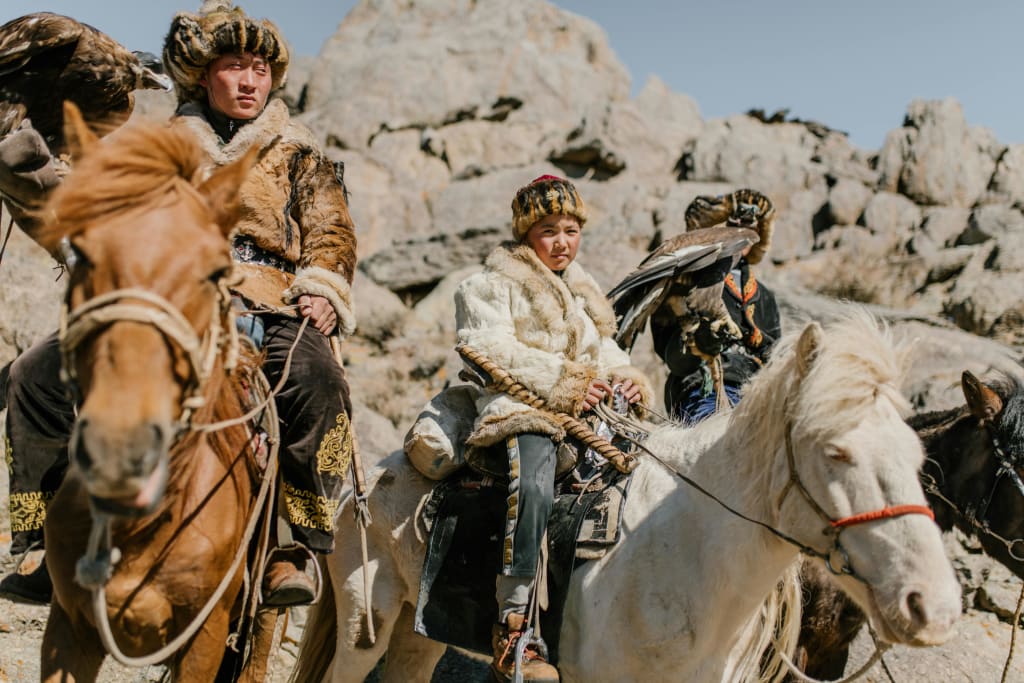
Mongolia—a land of vast steppes, rugged mountains, and nomadic traditions—is one of the world’s last great frontiers. Known as the "Land of the Eternal Blue Sky," this sparsely populated country offers breathtaking landscapes, a rich history tied to Genghis Khan, and a culture deeply rooted in horseback riding, throat singing, and eagle hunting.
For adventurers, history buffs, and culture seekers, Mongolia is a bucket-list destination unlike any other. In this article, we’ll explore:
✔ Mongolia’s stunning natural wonders
✔ Its nomadic heritage and unique traditions
✔ The legacy of Genghis Khan and the Mongol Empire
✔ Why Mongolia is a rising travel hotspot
The Wild Beauty of Mongolia’s Landscapes
Mongolia is one of the least densely populated countries on Earth, with more horses than people. Its landscapes range from rolling grasslands to snow-capped peaks, deserts, and pristine lakes.
1. The Gobi Desert
- One of the world’s most iconic deserts, known for its dunes, dinosaur fossils, and rare wildlife like the snow leopard.
- Khongoryn Els (Singing Sands) – Massive dunes that "sing" when the wind blows.
- Flaming Cliffs (Bayanzag) – A paleontological treasure trove where the first dinosaur eggs were discovered.
2. The Altai Mountains
- Home to Mongolia’s eagle hunters, the Kazakh nomads who train golden eagles to hunt.
- Tavan Bogd National Park – Features glaciers, alpine lakes, and Mongolia’s highest peak (Khüiten Peak, 14,350 ft).
3. Lake Khövsgöl
- Known as "Mongolia’s Blue Pearl," this crystal-clear lake holds 2% of the world’s freshwater.
- A paradise for hiking, horseback riding, and winter dog sledding.
4. The Orkhon Valley
- A UNESCO-listed cultural landscape with ancient Turkic monuments, waterfalls, and nomadic camps.
- The Tövkhön Monastery, where monks once meditated in cliffside caves.
Nomadic Culture: The Heart of Mongolia
Nearly 30% of Mongolians still live as nomads, herding livestock across the steppes. Their way of life is one of the last truly nomadic cultures in the modern world.
The Ger (Yurt) Lifestyle
- The traditional felt-covered dwelling used by nomads for centuries.
- Designed to be portable, warm in winter, and cool in summer.
- Visitors can stay in ger camps for an authentic experience.
Naadam Festival: Mongolia’s "Three Manly Games"
Held every July, this festival celebrates wrestling, horse racing, and archery—the three pillars of Mongolian warrior culture.
Horse racing – Young jockeys (some as young as 5) race across the steppe.
Wrestling – A test of strength and endurance, with no weight classes.
Archery – Competitors shoot arrows at targets from 75 meters away.
Throat Singing (Khoomei)
- A mesmerizing musical tradition where singers produce multiple notes simultaneously.
- Often performed with horsehead fiddles (morin khuur).
Genghis Khan and the Mongol Empire
Mongolia’s most famous figure, Genghis Khan (Chinggis Khaan), founded the largest contiguous empire in history in the 13th century.
The Rise of the Mongol Empire
- United warring tribes and conquered China, Persia, Russia, and Eastern Europe.
- Pioneered military tactics, postal systems, and religious tolerance.
- His descendants, like Kublai Khan, ruled the Yuan Dynasty in China.
Genghis Khan’s Legacy Today
- National symbol – His face appears on currency, statues, and vodka bottles.
- Controversial figure – Seen as a brilliant strategist by some, a ruthless conqueror by others.
- Secret burial site – His tomb has never been found, sparking treasure hunts and legends.
Why Mongolia is a Rising Travel Destination
Once overlooked, Mongolia is now gaining attention for its untouched wilderness and unique experiences.
Adventure Tourism
- Horseback riding across the steppe like a true nomad.
- Camel trekking in the Gobi Desert.
- Eagle hunting festivals in the Altai Mountains.
Sustainable and Responsible Travel
- Many tour operators focus on supporting nomadic communities.
- Eco-friendly ger camps minimize environmental impact.
Ease of Travel
- Visa-free for most Western tourists (30 days).
- Improved infrastructure with more flights and better roads.
Challenges Facing Modern Mongolia
Despite its beauty, Mongolia faces economic and environmental struggles:
- Overgrazing and desertification threaten the steppe.
- Urbanization is pulling younger generations away from nomadic life.
- Pollution in Ulaanbaatar (one of the world’s coldest capitals) due to coal burning.
Conclusion: A Land Frozen in Time Yet Ready for Discovery
Mongolia is a land of contrasts—where ancient traditions meet vast, unspoiled nature. Whether you’re riding horses with nomads, exploring dinosaur fossils in the Gobi, or witnessing eagle hunters in action, this country offers adventures found nowhere else.
For those seeking a journey off the beaten path, Mongolia is calling.
Final Thoughts & Discussion
- Would you visit Mongolia? Why or why not?
- What excites you most about Mongolian culture?
- How can tourism help preserve nomadic traditions?
Share your thoughts in the comments!
About the Creator
Keep reading
More stories from Bint E Ruqqyyah and writers in Earth and other communities.
Nature’s Wrath and How to Survive Them
Winter storms are among the most powerful and disruptive natural phenomena, bringing heavy snow, ice, freezing rain, and bitter cold temperatures. These storms can paralyze cities, disrupt transportation, cause power outages, and even threaten lives. As climate patterns shift, winter storms are becoming more intense and unpredictable, making it essential to understand their impact, preparation strategies, and the resilience required to face them.
By Bint E Ruqqyyah10 months ago in Earth
El Niño is likely to return in 2026. Here's what that means for Houston and Texas.
La Niña has been active since mid-October. However, according to the January update from the National Oceanic and Atmospheric Administration, it’s likely to end over the next couple of months, and a transition to El Niño is likely to occur later this year.
By Dena Falken Esq5 days ago in Earth
Trump’s Greenland Threats Push Europe Toward Divorcing America
When you think of Greenland, the first things that probably come to mind are icebergs, polar bears, and maybe some adventurous explorers. But lately, Greenland has become the center of a major diplomatic drama — one that’s forcing Europe to question its long-standing relationship with the United States. And the spark? Donald Trump’s threats over Greenland. The Controversy: Trump’s Unusual Move Back in January 2026, Trump shocked the world again, not with an election campaign but with a bold — and many would say bizarre — plan to acquire Greenland. But he didn’t stop at just “expressing interest.” He threatened eight European nations with tariffs — starting at 10% and potentially climbing to 25% — unless Denmark agreed to sell Greenland to the U.S. Yes, you read that right: tariffs on allies to buy a remote Arctic island. For Europe, this was more than shocking — it felt like a betrayal from a partner they’ve relied on for decades. Europe’s Response: Outrage and Solidarity European leaders didn’t hold back. Germany, France, Norway, the UK, and others banded together to condemn Trump’s approach. The message was clear: Europe won’t be blackmailed. Even usually cautious leaders spoke up. Norway’s Prime Minister bluntly said, “Threats have no place among allies.” Meanwhile, European Commission President Ursula von der Leyen emphasized that tariffs between allies “have no place” and could undermine decades of cooperation. This isn’t just a political disagreement. Europe sees this as a test of trust, sovereignty, and alliance reliability. Why Greenland Matters At first glance, Greenland might seem like just a frozen island. But strategically, it’s a big deal: Location: Greenland sits between North America and Europe, controlling key air and sea routes. Military Importance: It hosts radar and U.S. military infrastructure critical to early-warning systems. Resources: Beneath the ice lie minerals and rare earth elements that the world desperately needs. For Europe, Greenland is also about principle. The island belongs to Denmark and the Greenlandic people, not Washington. Europe’s support for Denmark shows a broader commitment to respecting sovereignty — a principle that Trump’s threats directly challenged. The Bigger Picture: A Crisis of Trust Greenland may just be the tip of the iceberg. For years, European nations have felt frustrated by U.S. policies that seemed unpredictable — whether it’s climate agreements, trade deals, or security commitments. Trump’s Greenland threats amplified these frustrations. Suddenly, Europe is questioning something fundamental: Can the U.S. be trusted as a long-term partner? Some European leaders have even started talking about a kind of “divorce” from the U.S. — not literally leaving NATO, but rethinking how dependent they should be on America for security and strategic decisions. Europe’s Path Toward Strategic Independence This Greenland drama is accelerating discussions about European strategic autonomy. Basically, Europe is asking: Should we be able to protect our own interests without always relying on the U.S.? The EU has long talked about building stronger defense capabilities and investing more in its own military, but progress has been slow. Greenland might just be the wake-up call that finally pushes Europe to act. What’s Next? So, what happens from here? Europe isn’t just going to sit quietly. Leaders are looking at: Economic counter-measures like tariffs on U.S. goods Strengthening European defense and security collaboration Reasserting Europe’s role on the global stage, with less reliance on Washington Even if Europe doesn’t fully “divorce” America, Greenland is changing the terms of the transatlantic partnership. Europe will now demand more respect, clearer rules, and recognition of its sovereignty — and they’re not afraid to make that clear. Why This Matters to All of Us You might wonder why this matters if you’re not in Europe or the U.S. Greenland may seem remote, but this story is about alliances, trust, and how global power is shifting. The way Europe responds could reshape the world order, affect trade, military cooperation, and even the global economy. And for anyone following U.S.-European relations, it’s a reminder that sometimes the smallest places — even a frozen island — can have huge global consequences. Bottom line: Trump’s Greenland threats aren’t just a bizarre footnote in history. They’re a wake-up call for Europe, forcing the continent to rethink its ties with America and consider a future where it can act independently — strategically, economically, and politically. Greenland, icy as it is, might just melt the old rules of alliance forever.
By Muhammad Hassanabout 7 hours ago in Earth


Comments
There are no comments for this story
Be the first to respond and start the conversation.