
Meteorite Opens Two Canyons on the Moon in Just 10 Minutes: The Impact that Shocked Science
Imagine observing the vast, silent lunar landscape, and suddenly an explosive meteorite impact creates two massive canyons in just 10 minutes!

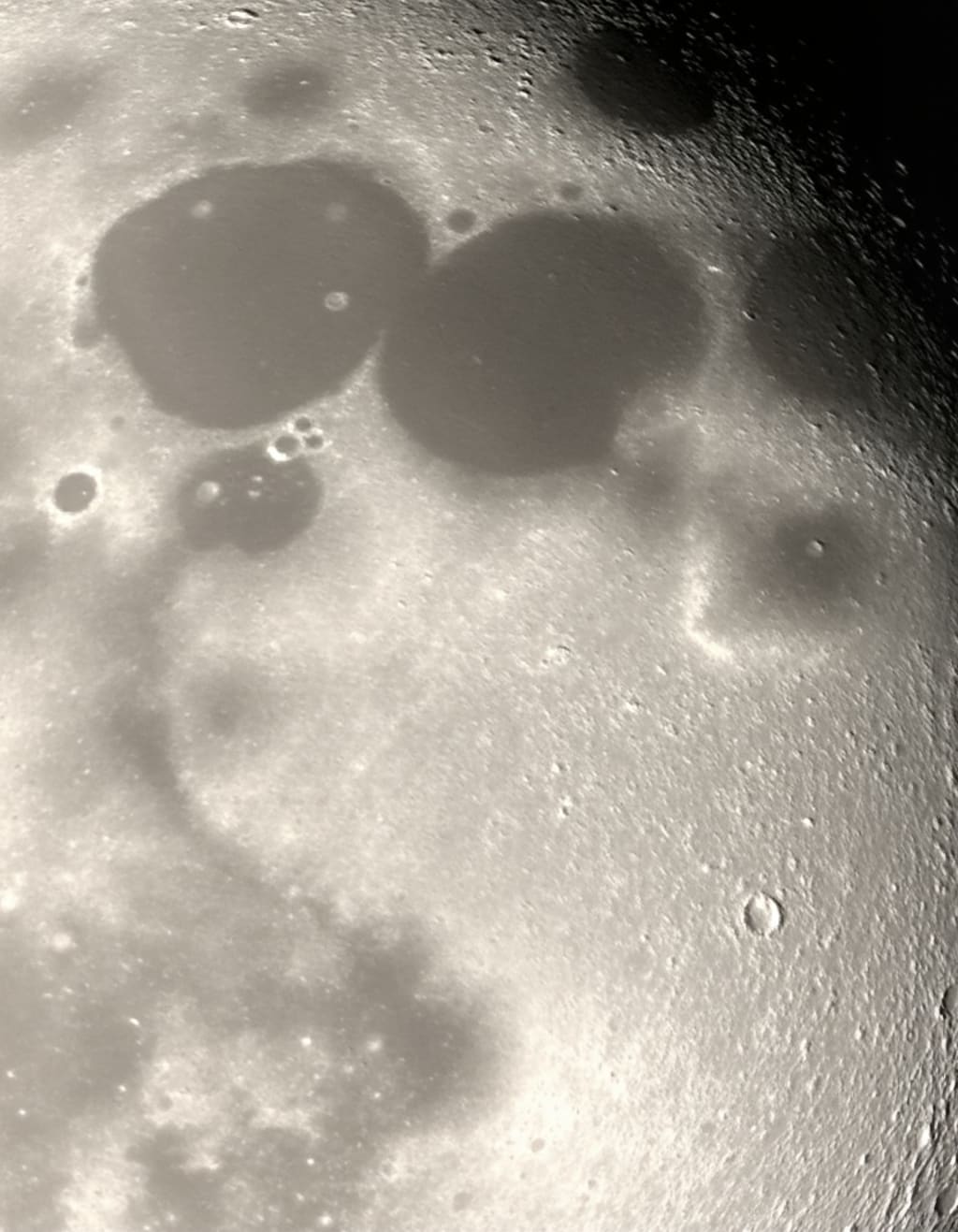
This extraordinary event challenges the laws of physics as we know them, leaving the scientific community in awe. How could a single impact cause such destruction on the Moon? Today, we dive into this fascinating phenomenon and its implications for science and technology.
The Impact That Altered the Lunar Landscape
Recently, a groundbreaking study revealed an astonishing discovery: a meteorite impacted the Moon and, in just 10 minutes, created two massive canyons on its surface, permanently changing its geography. What could cause such destruction in such a short amount of time?
Meteorites, or asteroids, have hit the Moon throughout the centuries, but this particular event has left experts questioning whether the energy released from the impact was far greater than usual. According to NASA scientists' analysis, the meteorite’s size and speed were key to this phenomenon.
The Science Behind the Lunar Canyons
The Moon's gravity is only one-sixth that of Earth's, meaning impacts have different effects on its surface. When a large meteorite struck the Moon, its kinetic energy was released in a fraction of a second, sending shockwaves through the surface and generating immense heat. This caused the lunar terrain to shift and collapse, forming two deep canyons that are now the focus of astronomers.
This event highlights how space conditions can lead to dramatic phenomena that irreversibly alter the landscape of celestial bodies like the Moon. Although impacts like this are not new, the speed with which the canyons formed and their magnitude are exceptional.
Implications for Science and Space Exploration
This discovery is not only crucial for understanding the Moon's geological history but also raises new questions about how meteorites might affect future space missions. In fact, experts suggest that these newly-formed canyons could potentially change the conditions for human settlements on the Moon.
Currently, space agencies like NASA and ESA are designing missions to establish bases on the Moon. While these projects focus on more stable, less impact-prone regions, this phenomenon underscores the need for more in-depth research into the risks meteorites pose to lunar infrastructure.
What Does This Mean for the Future of Space Technology?
The discovery opens up new avenues for research on how meteorite impacts affect the topography and composition of the Moon. Space engineers may study these canyons to develop more advanced technologies for protecting spacecraft and lunar stations.
Furthermore, this phenomenon could provide valuable data for future missions to Mars and other planets. If meteorites have a similar impact on smaller celestial bodies, astronauts traveling to these destinations will need innovative solutions for protection.
A Challenge for Humanity
The creation of these canyons on the Moon also serves as a reminder that our knowledge of space is still in its early stages. As we explore beyond our planet, we continue to discover that the universe is full of surprises, some of them challenging and dangerous.
This event underscores the vulnerability of the Moon and other celestial bodies to the forces of nature in space. As technology and space missions advance, we are one step closer to understanding these phenomena and better adapting to them.
The science behind the meteorite impact and the creation of two canyons on the Moon is a powerful reminder of the importance of continuing to explore the cosmos. If you're a science and technology enthusiast, we invite you to keep learning and diving deeper into these fascinating topics. To stay updated on the latest research and space discoveries, subscribe to our newsletter. Don't miss what’s coming next in the future of space exploration!
About the Creator
Miguel Díaz
We live in an era of information overload. My mission, with more than 10 years of experience in content creation, is to bring you articles that not only inform you, but also make you think.
Keep reading
More stories from Miguel Díaz and writers in Earth and other communities.
NASA on Alert for the First Time: A Meteor Could Collide with Earth in 2032
A Meteor on the Horizon? The 2032 Threat The news has put scientists, astronomers, and citizens alike on edge: NASA has issued an alert about a meteor that could dangerously approach Earth in 2032. This asteroid, estimated to be about the size of the Santiago Bernabéu stadium, has raised alarms at the world's most important space agency.
By Miguel Díazabout a year ago in Earth
Human Revenge: A Hidden Cause Behind the Decline of Snow Leopards
High in the rugged mountains of Central and South Asia lives one of the world’s most mysterious and beautiful big cats—the snow leopard. Known for its thick grey-white fur, long tail, and incredible ability to blend into rocky landscapes, this elusive predator has fascinated scientists and wildlife lovers for decades. Yet despite its beauty and ecological importance, the snow leopard faces a growing threat: human revenge.
By Irshad Abbasi 7 days ago in Earth



Comments (1)
Wow! Two new canyons on the moon! Awesome!