
Market Viability of Biochar Carbon Removal Projects
commercialization of BCR is accelerating


As the global economy intensifies its pursuit of net-zero emissions, biochar-based carbon removal projects are emerging as pivotal assets in the climate mitigation portfolio. Derived from thermochemical conversion of biomass in an oxygen-limited environment, biochar not only functions as a stable carbon sink but also serves as a co-beneficial soil amendment. The commercialization of this pathway is accelerating, supported by advancements in pyrolysis plant infrastructure and the monetization of carbon removal credits.
Biochar as a Verified Carbon Sink
Biochar is recognized for its ability to sequester carbon in a solid, inert form that can remain stable in soils for centuries. When biomass undergoes pyrolysis, a substantial portion of the carbon within the organic matter is immobilized in aromatic ring structures. This transformation drastically reduces the risk of carbon re-emission, contrasting sharply with composting or natural decay, which convert biomass into carbon dioxide or methane.
Each ton of biochar can effectively lock away up to 3.67 tons of CO₂ equivalent, depending on feedstock, production conditions, and application method. The carbon permanence and traceability of biochar align with the stringent criteria set by voluntary carbon markets and organizations such as Puro.earth and Verra.
Commercial Drivers for Market Expansion
Multiple intersecting trends are propelling the growth of biochar carbon removal ventures. The rapid evolution of biochar pyrolysis equipment technology enables continuous processing, greater yield consistency, and energy integration. High-throughput designs, such as rotary kiln or screw-type reactors, allow for decentralized deployment at agricultural, forestry, or waste-processing sites.
In parallel, the emergence of carbon credit trading platforms has introduced a financial incentive structure. Verified carbon removal units (CORCs) derived from biochar projects are actively purchased by corporations aiming to offset hard-to-abate emissions. This dynamic is transforming biochar production from a low-margin agricultural input business into a high-value environmental asset.
Feedstock Versatility and Regional Flexibility
The adaptability of pyrolysis plant design to diverse biomass types—such as rice husks, nut shells, wood chips, or agricultural residues—makes the model viable across various geographies. This feedstock flexibility allows developers to capitalize on local biomass surpluses while addressing waste management issues.
Furthermore, regional policies are increasingly favorable. In Europe, biochar is integrated into national bioeconomy strategies. In the United States, the Inflation Reduction Act and voluntary carbon credit markets are incentivizing nature-based removals. These frameworks are likely to accelerate the rollout of both small-scale mobile pyrolysis units and industrial-scale facilities.
Carbon Credit Valuation and Yield Economics
The profitability of biochar carbon removal hinges on carbon credit pricing, production efficiency, and by-product valorization. At present, CORCs issued for biochar projects can fetch $100–$150 per ton of CO₂ equivalent removed. As demand outpaces supply, particularly from the corporate sustainability sector, credit values are poised for appreciation.
A modern pyrolysis plant not only produces biochar but also generates syngas and pyrolysis oil—two by-products that can be used to power the system or sold for heat and energy applications. The integration of these energy streams reduces operating costs and enhances overall system ROI. When paired with regenerative agriculture or reforestation efforts, biochar application also yields agronomic benefits, such as increased nutrient retention and microbial activity.
Risk Mitigation and Verification Protocols
To maintain integrity, biochar carbon removal projects must adhere to stringent monitoring, reporting, and verification (MRV) protocols. This includes detailed lifecycle analysis of feedstock sourcing, reactor performance, carbon retention rates, and application scenarios. Technological solutions such as satellite imagery, blockchain registries, and digital MRV platforms are increasingly employed to streamline compliance and improve transparency.
Biochar’s tangible, quantifiable, and localized nature reduces reputational and delivery risk compared to other engineered carbon removal pathways. These factors are crucial for institutional investors and buyers seeking verifiable climate outcomes.
About the Creator
Keep reading
More stories from Wayne Shen and writers in Earth and other communities.
Pyrolysis as a Regenerative Catalyst in Agricultural Circular System
Agricultural systems worldwide are under increasing pressure to address waste, enhance soil productivity, and reduce dependence on fossil-derived inputs. Pyrolysis technology, particularly when deployed through a modern pyrolysis plant, offers a viable pathway toward a closed-loop agricultural economy. By converting organic residues into carbon-rich biochar and energy-dense gases and oils, pyrolysis enables the reintegration of nutrients and carbon back into farmland, while also offsetting emissions.
By Wayne Shen7 months ago in Earth
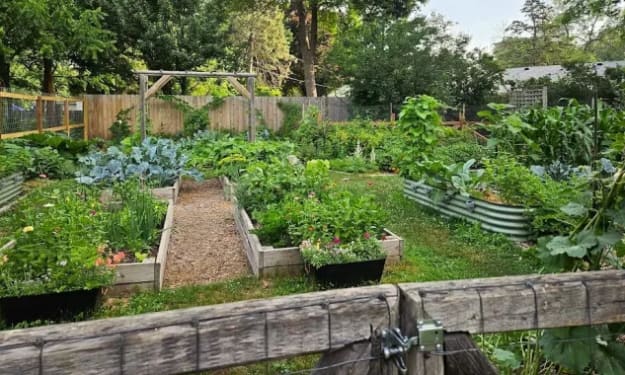
Planning a Vegetable Garden Layout: Sun, Space, and Succession
You've decided to grow your own food. You've cleared a space, bought seeds, and imagined baskets overflowing with tomatoes and zucchini. Then reality intervenes. The tomatoes shade the basil. The zucchini engulfs the carrots. By midsummer, you have more lettuce than you can eat, followed by a gap of nothing until frost.
By Emma Wallace7 days ago in Earth
Bomb Scare
It was 2027, and the world never thought it would happen. A missle hit the United States, but it wasn't where they had anticipated. A little town in the northeast was hit by a missile strike, they didn't know why, and they didn't know exactly where it hit, but they did know it was a coastal community, somewhere between Maine and Delaware.
By Gregory Payton7 days ago in Fiction



Comments
There are no comments for this story
Be the first to respond and start the conversation.