
Maldives Bans Smoking for Younger Generations
Maldives Takes Bold Step to Protect Youth from the Dangers of Tobacco

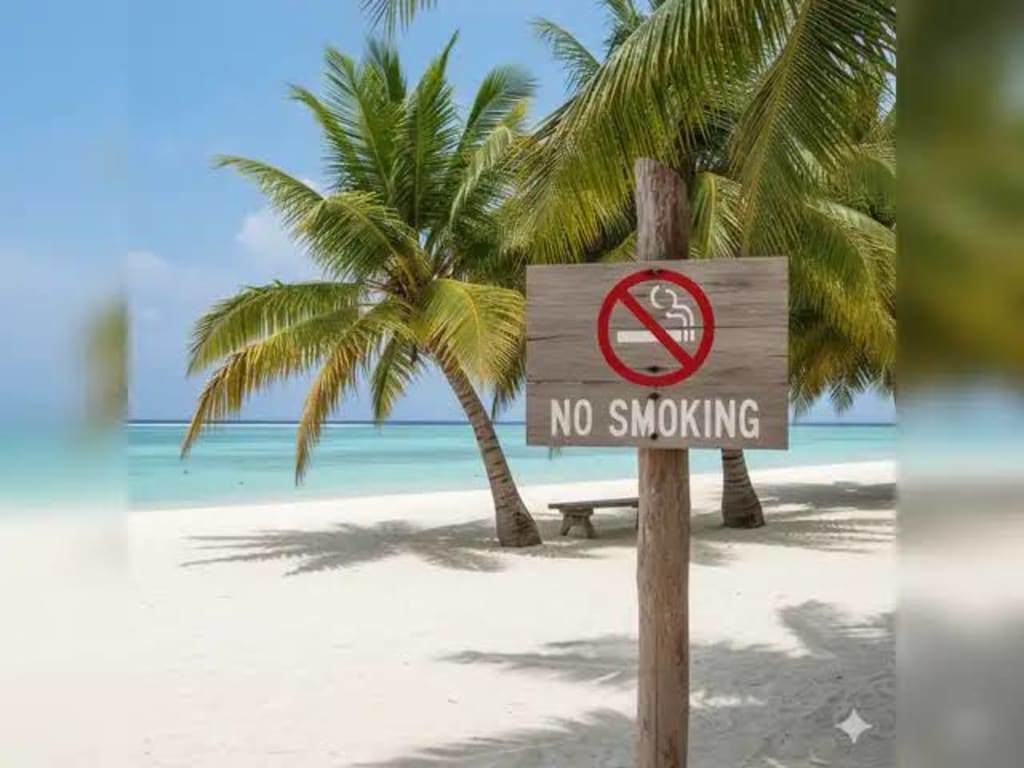
A Bold Step Toward a Healthier Future for the Island Nation
The Maldives has taken a major step in public health by introducing a sweeping ban on smoking for younger generations. The new law, which prohibits individuals born after January 1, 2005, from purchasing, possessing, or using tobacco products, has been hailed as a historic move to protect youth from the harmful effects of smoking. Public health officials, lawmakers, and international observers are calling the initiative one of the most progressive anti-smoking policies in the world.
The Details of the Ban
Under the new legislation, anyone born after 2005—essentially those aged 18 and younger—will never legally be able to buy cigarettes or other tobacco products, even when they reach adulthood. The law also targets vaping and e-cigarettes, ensuring that these alternatives do not become loopholes for young people to access nicotine.
Retailers who sell tobacco products to individuals in violation of the law face hefty fines, license suspensions, and even potential jail time. Government authorities have emphasized that enforcement will be strict, with regular inspections and community reporting encouraged.
Health Minister Ahmed Naseem explained the reasoning behind the policy: “We want to create a smoke-free generation in the Maldives. Tobacco use is the leading cause of preventable diseases, and our goal is to protect our youth from the lifelong harm that smoking can cause.”
---
Why This Matters
Tobacco use is a significant public health concern worldwide. In the Maldives, statistics show that smoking-related illnesses contribute to thousands of deaths annually, placing a heavy burden on the healthcare system. By preventing younger generations from ever starting, the government aims to reduce future healthcare costs, improve life expectancy, and build a healthier society.
Experts say that starting smoking at a young age dramatically increases the risk of addiction, respiratory problems, heart disease, and cancer later in life. By enacting this ban, the Maldives joins countries like New Zealand, which introduced a similar generational ban in 2022, as leaders in forward-thinking public health policy.
“This is not just a ban,” said Dr. Mariyam Fathimath, a public health expert in Malé. “It is a statement that the Maldives values the health of its youth and is willing to take strong measures to prevent harm before it starts.”
---
Public Reactions and Cultural Shifts
The law has sparked a range of reactions among the Maldivian public. Parents and educators have generally welcomed the policy, noting that smoking has often been glamorized in media and peer culture. “It is a relief to know that our children will have legal protections against a habit that is so harmful,” said one teacher in Malé.
Some young adults, however, have questioned whether the ban infringes on personal freedoms. Critics argue that such strict measures may drive some individuals to seek tobacco illegally. Government officials have countered that prevention and education, combined with enforcement, will significantly reduce this risk.
Local media have highlighted that the ban could also influence tourism and expatriate communities, emphasizing the importance of responsible behavior and compliance with Maldivian laws.
---
Education and Prevention
Alongside the ban, the Maldivian government has announced plans for comprehensive anti-smoking education programs in schools. These initiatives will teach students about the dangers of nicotine addiction, the long-term health consequences of smoking, and strategies for resisting peer pressure.
Public awareness campaigns are also planned, including social media outreach, community workshops, and public service announcements. Health authorities hope that these efforts will foster a cultural shift, making smoking less socially acceptable and further supporting the generational ban.
---
Global Significance
The Maldives’ approach has caught the attention of international public health organizations, which view generational bans as a promising strategy to eliminate smoking over time. Unlike traditional age restrictions, which only limit access until a certain age, generational bans create a continuous barrier that eventually removes tobacco use from society entirely.
World Health Organization (WHO) representatives praised the move as a “bold and innovative step” in global tobacco control, noting that it could serve as a model for other small nations facing high rates of youth smoking.
---
A Step Toward a Smoke-Free Future
For a nation known for its stunning beaches and vibrant tourism, the Maldives’ commitment to public health is a reminder that safeguarding citizens’ well-being is just as important as preserving natural beauty. By banning smoking for younger generations, the government is making a clear statement: the health of future Maldivians matters, and proactive measures are necessary to protect it.
The success of the policy will depend on effective enforcement, public education, and community support, but if executed well, it could lead to a generation growing up free from the risks of tobacco—a historic achievement for an island nation taking bold action in the fight against preventable disease.
About the Creator
Fiaz Ahmed
I am Fiaz Ahmed. I am a passionate writer. I love covering trending topics and breaking news. With a sharp eye for what’s happening around the world, and crafts timely and engaging stories that keep readers informed and updated.
Keep reading
More stories from Fiaz Ahmed and writers in Earth and other communities.
At Least 20 Dead After Magnitude-6.3 Earthquake Hits Afghanistan
A powerful magnitude-6.3 earthquake struck western Afghanistan early Saturday, leaving at least 20 people dead and dozens more injured, according to local officials. The quake, which struck near the city of Herat, flattened homes, triggered landslides, and sent terrified residents running into the streets.
By Fiaz Ahmed 4 months ago in Earth
Planning a Vegetable Garden Layout: Sun, Space, and Succession
You've decided to grow your own food. You've cleared a space, bought seeds, and imagined baskets overflowing with tomatoes and zucchini. Then reality intervenes. The tomatoes shade the basil. The zucchini engulfs the carrots. By midsummer, you have more lettuce than you can eat, followed by a gap of nothing until frost.
By Emma Wallace3 days ago in Earth
The BAFTA Awards
By now, in a stunning departure from recent years, most of the world is aware of what happened at the BAFTA film awards. Social Media Headlines will tell you the bare bones: that John Davidson, a Tourette's Syndrome advocate, shouted a racial slur at two Actors of Colour, Michael B Jordan and Delroy Lindo.
By Natasja Rose5 days ago in Psyche



Comments
There are no comments for this story
Be the first to respond and start the conversation.