
Listening to the Earth: Why Our Planet’s Whisper Matters
A call to notice, protect, and live in harmony with the only home we have

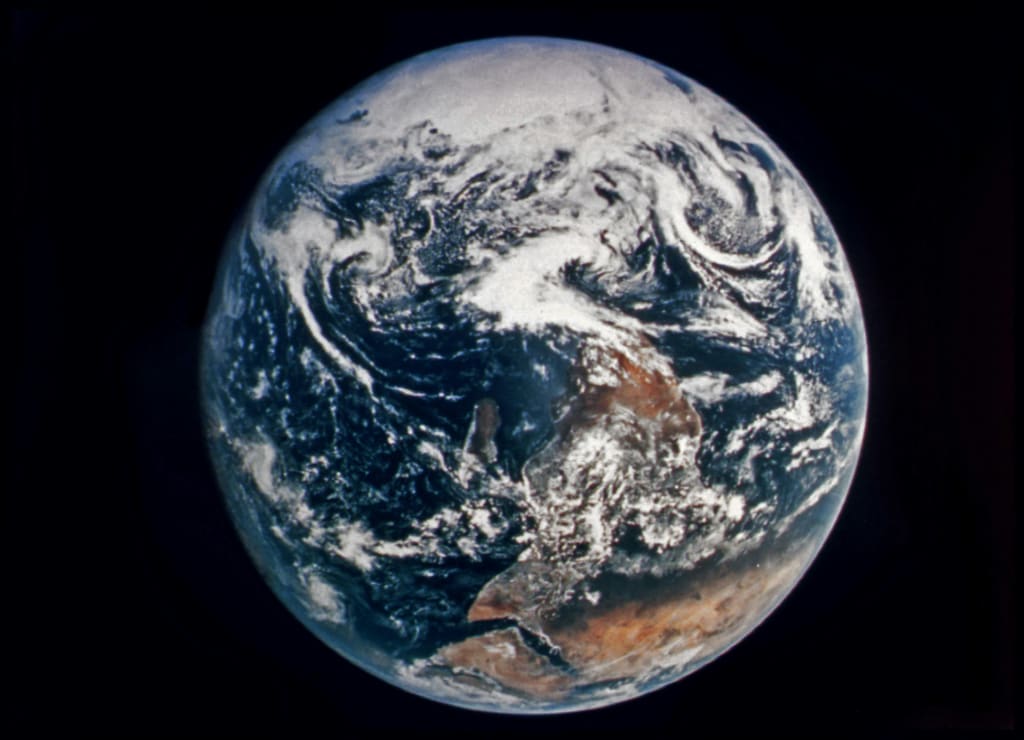
The Earth does not speak in words.
It speaks in rivers drying too soon,
in forests cut down faster than they can breathe again,
in seasons that no longer arrive when they should.
It whispers in the wind, in birdsong, in the silence of vanishing species.
The question is: are we listening?
The Forgotten Conversation
For most of human history, people lived close to the land. Farmers knew the rhythm of the soil, fishermen respected the patience of the sea, and communities understood that their survival depended on balance.
But somewhere along the way, we forgot the conversation. We began to act not as caretakers, but as conquerors. We built higher, dug deeper, and consumed faster—believing the Earth could withstand anything.
Yet the Earth is not unbreakable. It is alive, delicate, and in need of care.
Signs We Can’t Ignore
Climate change isn’t a headline—it’s an alarm. Rising seas are swallowing shorelines, heatwaves are becoming unbearable, and wildfires burn longer and hotter than before. Glaciers that stood for thousands of years now melt into memory.
Every warning sign is a reminder: the Earth is speaking to us. Not with rage, but with urgency.
Small Actions, Big Ripples
It’s easy to feel powerless. After all, what can one person do when the planet feels so vast and the problems so overwhelming?
The truth is, change often begins small. Planting a tree, refusing plastic bags, conserving water, biking instead of driving—all are drops in the ocean. But remember: an ocean is nothing more than countless drops together.
When one person chooses sustainability, it inspires another. When communities embrace renewable energy, they set an example for neighbors and nations. The ripple effect of small choices can become waves of transformation.
Rediscovering Awe
Beyond action, there is something else the Earth asks of us: to notice. To remember that we are part of something larger, something wondrous.
Go stand beneath a sky scattered with stars, and feel how vast the universe is. Walk barefoot in grass still wet with morning dew, and notice how alive the ground feels. Listen to the ocean’s rhythm—it has been beating long before us, and it will beat long after.
When we rediscover awe, we rediscover respect. And respect is the root of protection.
A Shared Responsibility
The Earth is not owned by any one generation, one nation, or one individual. It is shared—between us, those before us, and those yet to come.
To care for the planet is not just environmental activism; it is love in action. Love for children who deserve clean air, love for communities who depend on healthy soil and water, love for species whose songs we may never hear again if we fail them now.
Listening, Finally
We stand at a turning point. The Earth has been whispering for decades, and now it is raising its voice. The question is whether we will continue to cover our ears, or finally listen.
If we can shift from endless taking to mindful giving, from blind consumption to conscious care, from indifference to reverence, then maybe—just maybe—the Earth’s whispers will become songs again.
And in saving the planet, we might also save ourselves.
Conclusion:
The Earth has never stopped speaking—it has only been waiting for us to listen. Every river, tree, bird, and breeze is a reminder that our lives are bound to the health of this planet. The choice before us is simple yet profound: continue down the path of neglect, or step into a future shaped by care, reverence, and responsibility. Change begins with noticing, with small acts of love multiplied by many. If we honor the whispers of the Earth today, we ensure that tomorrow’s generations inherit not silence, but songs of life and renewal.
About the Creator
Zakir Ullah
I am so glad that you are here.
Keep reading
More stories from Zakir Ullah and writers in Earth and other communities.
A Sound Has Been Echoing From the Bottom of the Ocean for 25 Years — And No One Knows What Made It
It started with a sound no one expected to hear. In 1997, deep in the Pacific Ocean, underwater microphones picked up something strange—something powerful enough to travel thousands of miles through the water. The signal was so loud that multiple sensors across the ocean detected it at the same time.
By Noman Khan 3 days ago in Earth


Comments
There are no comments for this story
Be the first to respond and start the conversation.