
Life in the sea affected by climate change
Unveiling the Impact of Climate Change on Sea Animals

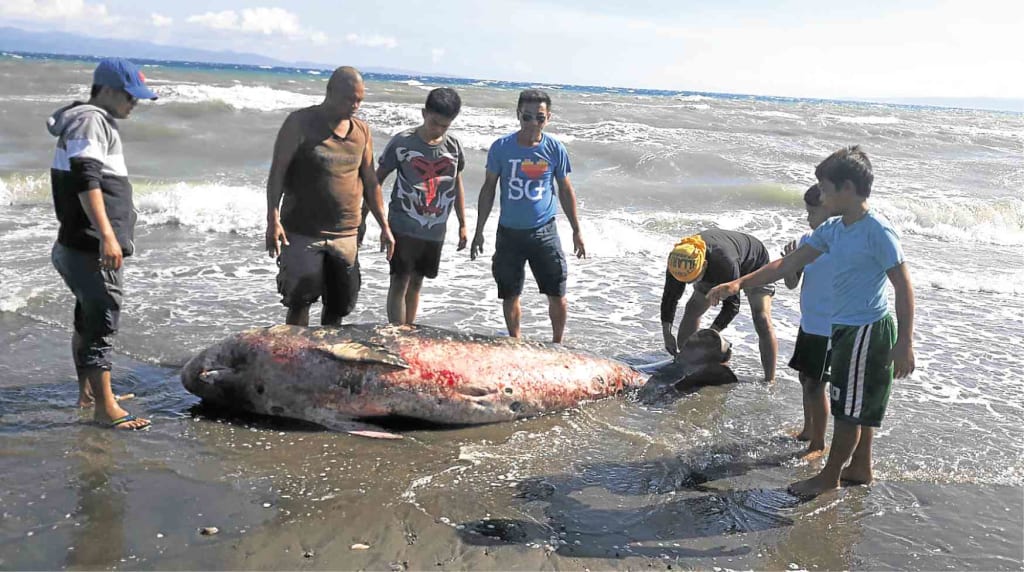
Sarah, a young marine biologist, had always felt a deep connection to the ocean. Its vastness and mystery called to her, whispering secrets she longed to uncover. As she embarked on her career, her heart filled with passion and a sense of responsibility towards the underwater world.
During her early research expeditions, Sarah witnessed firsthand the devastating impact of climate change on sea animals. She observed bleached corals, lifeless seafloors, and dwindling populations of once-abundant species. The weight of the ocean's struggle settled heavily upon her shoulders.
Sarah's work brought her face-to-face with the stories of individual sea animals affected by climate change. She encountered a gentle humpback whale entangled in a ghost net, struggling to break free. She witnessed sea turtles unable to find suitable nesting grounds due to eroding coastlines. Their silent cries for help echoed in her heart, urging her to take action.
Driven by her empathy and deep love for the ocean, Sarah became an advocate for change. She joined forces with like-minded individuals, attending conferences, sharing research, and educating communities about the urgency of addressing climate change. Sarah's voice became a powerful instrument, rallying people to stand up for the fragile ecosystems beneath the waves.
Sarah knew that no single person or action could reverse the effects of climate change overnight. It required a global shift in consciousness and a collective commitment to safeguarding the oceans. Sarah continued to collaborate with scientists, policymakers, and organizations, recognizing that collaboration and interdisciplinary approaches were key to making lasting change.
Through her unwavering determination, Sarah saw the emergence of innovative solutions. She witnessed the development of sustainable fishing practices, the implementation of renewable energy initiatives, and the restoration of degraded marine habitats. Each step forward reinforced her belief that humanity had the capacity to reverse the tide and forge a more sustainable future.
Individuals and governments both bear a significant responsibility in reducing the impact of climate change on sea animals. Recognizing the urgency and magnitude of the issue, individual actions and collective policies play crucial roles in protecting marine ecosystems and the creatures that inhabit them.
Sarah's journey had taught her the interconnectedness of all life and the responsibility humanity held towards the oceans. She realized that the fate of sea animals rested not only in the hands of researchers and policymakers but in the collective actions of individuals worldwide.
However, individual efforts alone are not sufficient. Governments have a vital role in shaping policies and regulations that address climate change and protect marine ecosystems. Governments must invest in renewable energy sources, promote sustainable fishing practices, and establish marine protected areas to preserve critical habitats. By implementing and enforcing stricter emission standards, supporting research and development of sustainable technologies, and incentivizing environmentally friendly practices, governments can significantly reduce the impact of climate change on sea animals. corals, the revival of once-depleted fish populations, and the return of sea turtle hatchlings to protected shores.
Education and awareness also play pivotal roles. By understanding the impact of climate change on sea animals, individuals can become advocates for change. Sharing knowledge, raising awareness among family, friends, and communities, and supporting educational initiatives empower others to take action.
Moreover, governments have a responsibility to fund scientific research that explores the effects of climate change on sea animals, helping to expand our understanding of the issues at hand and inform policy decisions. They must prioritize conservation efforts, allocate resources to marine protection initiatives, and engage in public outreach to raise awareness and promote sustainable practices.
In conclusion, individuals and governments share a joint responsibility to reduce the impact of climate change on sea animals. By making sustainable choices in our daily lives, spreading awareness, and supporting conservation organizations, individuals can contribute to the protection of marine ecosystems. Simultaneously, governments must prioritize environmental policies, invest in renewable energy, and collaborate on a global scale to ensure the long-term survival of sea animals and the preservation of our oceans for future generations.
About the Creator
Keep reading
More stories from writers in Earth and other communities.
Lately, I'm empty
Lately, I feel an emptiness inside of me that doesn’t make any sense. I was fine a week ago and now I’m numb to the pain that I’ve been carrying around. Numb to the idea of me existing. I wish I could go to a place where I can hear happy positive thoughts and surround myself with joy. The medication I’m on doesn’t seem to work anymore. I still feel pain from existing, why am I here anyways? Merely to exist. I don’t feel like I’m making any differences being here.
By Cerina Galvan2 days ago in Confessions



Comments (1)
This is really amazing story on the reality of climate change. I think we all have a part to play in climate change which will guarantee the safety of sea animal globally. Well done.